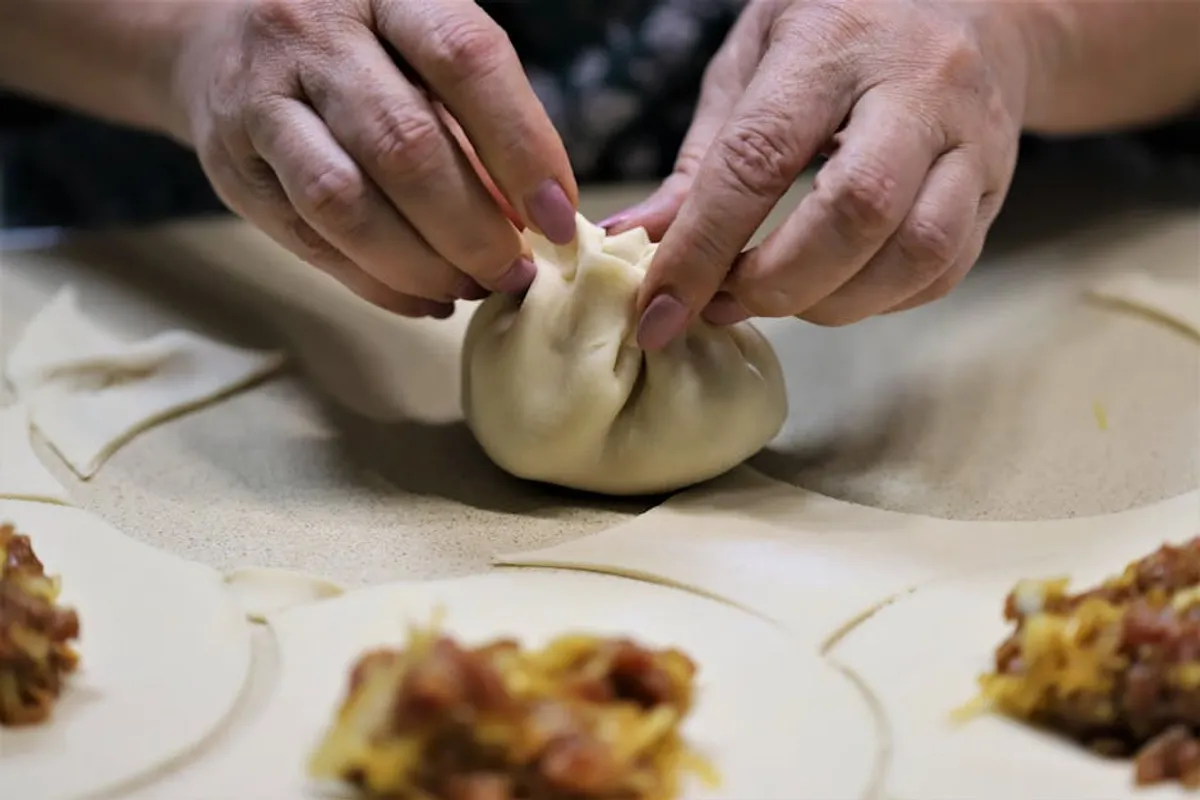
For SEO professionals, marketers, site owners, and agencies, identifying content opportunities that resonate with a beginner audience is crucial for driving organic traffic and engagement. Beginner-friendly recipe content, specifically for categories like dumplings, offers a consistent pathway to capture high-volume search intent. The challenge lies in selecting recipes that are genuinely accessible, visually appealing, and provide clear instructional value, thereby minimizing bounce rates and encouraging repeat visits or shares. This selection aims to highlight dumpling recipes that are not only simple to execute for a novice home cook but also represent strong content pillars due to their ingredient accessibility, technique simplicity, and broad appeal.
Before diving into specific recipes, understanding the core attributes that define a successful beginner-friendly dumpling recipe is essential for content creators. These characteristics directly influence user experience, engagement metrics, and ultimately, SEO performance. Prioritize recipes that feature readily available ingredients, avoiding specialty items that require dedicated trips or online orders. Look for techniques that are intuitive and don't demand advanced knife skills or complex folding patterns. Visual clarity in instructions, often supported by step-by-step imagery or video, is paramount. Recipes that offer flexibility in fillings or seasonings also extend their utility, allowing for variations that can capture diverse long-tail search queries. Finally, consider the time commitment; quicker preparations often appeal more to beginners seeking immediate gratification and less kitchen stress.
1. Classic Pork & Cabbage Potstickers
This recipe is a foundational entry point for anyone venturing into dumpling making. Its appeal lies in the familiar flavors of pork and cabbage, combined with a forgiving pan-frying technique that creates a crispy bottom and tender top. From a content perspective, the potsticker offers excellent visual opportunities for both the filling preparation and the distinctive pan-fry-then-steam method. The folding technique, while requiring some practice, is one of the most common and teachable, making it a valuable skill-building piece of content for beginners.
Best for: Content targeting broad audiences interested in popular Asian cuisine, particularly those looking for a savory, satisfying meal with a textural contrast. Ideal for video tutorials demonstrating the pan-frying process.
Pros:
- Uses common, inexpensive ingredients found in most supermarkets.
- The pan-frying method is less intimidating than deep-frying or intricate steaming for many beginners.
- High search volume for "potsticker recipe" and "pork dumplings."
- Visually appealing with golden-brown bottoms, great for social media and recipe cards.
Cons:
- Folding can be a minor initial hurdle, requiring clear visual instructions to prevent frustration.
- Requires a two-step cooking process (pan-fry then steam), which needs precise timing for optimal texture.
Verdict: A high-impact content piece that consistently performs well due to its popularity and the satisfying outcome. Focus on clear, step-by-step visuals for folding and cooking to maximize user success and engagement.
2. Simple Chicken & Vegetable Gyoza
Gyoza, the Japanese counterpart to potstickers, emphasizes a lighter filling and often a slightly thinner wrapper. This recipe focuses on a straightforward chicken and vegetable blend, making it accessible for those who prefer poultry or are looking for a less rich alternative to pork. The folding technique for gyoza, typically involving pleats on one side, is distinct and offers a clear instructional opportunity. Its widespread recognition ensures consistent search interest from beginner cooks seeking familiar flavors with a homemade touch.
Best for: Audiences seeking lighter protein options or those specifically interested in Japanese cuisine. Excellent for content demonstrating a slightly different, yet still beginner-friendly, folding style.
Pros:
- Chicken is a universally popular and accessible protein.
- Vegetable additions enhance flavor and nutritional value, appealing to health-conscious beginners.
- The pan-fry-then-steam method is identical to potstickers, making it an easy transition for those who've tried the previous recipe.
- Strong keyword potential around "chicken gyoza" and "easy gyoza recipe."
Cons:
- Achieving the classic gyoza pleats can be tricky without visual guidance.
- Fillings can sometimes be bland if not seasoned adequately, requiring specific spice recommendations.
Verdict: A reliable content choice that caters to a broad palate. Emphasize seasoning and provide detailed visual aids for the pleating technique to ensure a positive beginner experience and high content retention.
3. Easy Shrimp Hargow (Steamed)
Hargow, or crystal shrimp dumplings, are a dim sum classic. While traditionally challenging, a simplified recipe for beginners focuses on the filling and a more forgiving wrapper, often using store-bought wheat starch wrappers or a simplified homemade version. The key here is the bouncy shrimp texture and transparent wrapper, which offers a unique visual appeal distinct from pan-fried options. This recipe introduces beginners to steaming, a healthier cooking method that preserves delicate flavors.
Best for: Content targeting users interested in dim sum or seafood-based dumplings. Ideal for showcasing steaming techniques and achieving a delicate, translucent finish.
Pros:
- Offers a distinct flavor profile and texture compared to meat-based dumplings.
- Steaming is a healthy cooking method, appealing to dietary preferences.
- Visually striking with its translucent wrapper, making for attractive food photography.
- Introduces a different culinary tradition (Cantonese dim sum) to beginners.
Cons:
- The wrapper can be more delicate to handle than standard flour-based wrappers, potentially leading to tearing.
- Achieving the perfect bouncy shrimp texture requires careful chopping and mixing, which needs clear instruction.
Verdict: A premium content opportunity that stands out from typical beginner dumpling lists. Focus on simplified wrapper handling tips and precise instructions for shrimp preparation to ensure beginners achieve the desired "crystal" effect and texture.
4. Beginner-Friendly Vegan Mushroom Dumplings
Addressing the growing demand for plant-based recipes, vegan mushroom dumplings are an excellent entry point for beginners. This recipe relies on the umami-rich flavors of various mushrooms (e.g., shiitake, cremini) combined with aromatics and tofu or water chestnuts for texture. The lack of meat simplifies handling and reduces concerns about raw meat contamination, making it less intimidating for new cooks. These can be pan-fried or steamed, offering flexibility in cooking methods.
Best for: Audiences seeking plant-based, vegetarian, or vegan options. Appeals to health-conscious beginners and those exploring meatless cooking.
Pros:
- Catches a significant and growing search segment for vegan recipes.
- Ingredients are widely available and relatively inexpensive.
- No raw meat handling, simplifying the preparation process and reducing safety concerns.
- Versatile in cooking method (steamed or pan-fried), offering content flexibility.
Cons:
- Achieving a "meaty" texture can be challenging without specific ingredient combinations.
- The filling might lack the richness of meat-based dumplings for some palates without careful seasoning.
Verdict: A commercially valuable content piece that taps into a niche yet expanding market. Emphasize seasoning, texture enhancers (like finely chopped water chestnuts or firm tofu), and clear instructions for both cooking methods to maximize appeal.
5. Quick Beef & Scallion Wontons (Boiled)
Wontons, particularly the boiled variety, are one of the simplest entry points into dumpling making. The filling often consists of ground beef and scallions, seasoned simply. The key differentiator here is the cooking method: boiling. This eliminates the need for precise pan-frying or steaming setups, making it incredibly fast and easy for beginners. Wontons are often served in soup, providing an additional layer of content opportunity for serving suggestions.
Best for: Beginners seeking the fastest and easiest dumpling preparation. Excellent for content focused on quick weeknight meals or soup additions.
Pros:
- Boiling is the simplest cooking method, requiring minimal equipment and technique.
- Beef and scallions are a popular and accessible flavor combination.
- Wontons are quick to cook, ideal for busy schedules.
- High search volume for "wonton soup recipe" and "easy wontons."
Cons:
- The boiled texture might be less appealing to those accustomed to crispy dumplings.
- Overcooking can result in mushy wrappers, requiring clear timing instructions.
Verdict: A strong content piece for speed and simplicity. Highlight the quick preparation and serving versatility (e.g., in broth, with chili oil) to appeal to beginners looking for minimal effort and maximum flavor.
6. No-Roll Dough Dumplings (Drop Dumplings)
This category of dumplings, often referred to as drop dumplings or spaetzle-like preparations, completely eliminates the need for rolling and folding wrappers. The dough is typically a simple batter dropped directly into simmering liquid (stew, soup, or boiling water). This technique removes the primary barrier for many beginners, making it exceptionally accessible. The focus shifts to dough consistency and the accompanying dish, offering flexibility in flavor profiles.
Best for: Absolute beginners intimidated by dough handling or folding. Ideal for content integrating dumplings directly into stews or hearty soups.
Pros:
- Eliminates complex rolling and folding techniques, significantly lowering the barrier to entry.
- Often uses basic pantry staples for the dough (flour, egg, milk/water).
- Integrates seamlessly into existing recipes like chicken and dumplings, expanding content opportunities.
- High success rate for beginners, leading to positive user experiences.
Cons:
- Texture can vary greatly depending on dough consistency and cooking time, requiring precise measurements.
- May not satisfy the craving for traditional wrapped dumplings.
Verdict: An excellent entry-level content piece for those who want to experience homemade dumplings without the fuss. Emphasize versatility and pairing with hearty dishes to showcase its utility and appeal.
7. Cheesy Pierogi with Simple Filling
Pierogi, a staple of Eastern European cuisine, are boiled dumplings often filled with potato and cheese. A beginner-friendly version simplifies the dough and focuses on a classic, comforting filling. The folding technique is a simple half-moon crimp, which is easier to master than pleated Asian dumplings. This recipe taps into a different cultural culinary interest and offers a hearty, satisfying meal that resonates with comfort food searches.
Best for: Audiences interested in European comfort food or those seeking vegetarian-friendly, substantial dumpling options. Good for content demonstrating simple dough work and filling techniques.
Pros:
- Comfort food appeal with widely loved ingredients like potato and cheese.
- The half-moon crimp is a straightforward folding technique for beginners.
- Can be boiled and then pan-fried for textural variety, offering content depth.
- Taps into a distinct cultural search intent for "pierogi recipe."
Cons:
- Dough preparation can be slightly more involved than using store-bought wrappers.
- Overfilling can lead to bursting during boiling, requiring clear guidance on portioning.
Verdict: A strong content asset for its unique cultural appeal and comforting flavors. Focus on a forgiving dough recipe and clear instructions for sealing to ensure successful, delicious pierogi for beginners.
8. Basic Italian Ricotta Gnudi
Gnudi, essentially "naked" ravioli, are soft, pillowy dumplings made primarily from ricotta cheese, flour, and egg. They are boiled and often served with a simple butter-sage sauce or marinara. This recipe is beginner-friendly because it requires no rolling of pasta sheets or complex sealing. The focus is on mixing the ingredients to the right consistency and gently poaching the dumplings, making it an elegant yet accessible Italian dumpling experience.
Best for: Audiences interested in Italian cuisine or delicate, cheese-based dumplings. Ideal for content showcasing simple, elegant dishes that appear more complex than they are.
Pros:
- Minimal ingredients and a straightforward mixing process.
- No complex dough rolling or intricate folding required.
- Results in a light, delicate, and sophisticated dish that impresses.
- Offers a distinct flavor profile from Asian or Eastern European dumplings.
Cons:
- Dough can be very soft and sticky, requiring careful handling.
- Overworking the dough can lead to tough gnudi, necessitating gentle mixing instructions.
Verdict: An excellent content piece for showcasing culinary breadth while maintaining beginner accessibility. Emphasize gentle handling and proper cooking technique to achieve the signature light and airy texture.
9. Sweet Apple Dumplings (Baked)
Moving beyond savory options, sweet apple dumplings offer a dessert-focused entry point. These typically involve cored apples wrapped in a simple pastry dough, then baked in a sweet sauce. The dough is often a basic pie crust or biscuit dough, which is forgiving for beginners. The baking process is less intimidating than frying or boiling for many new cooks, and the comforting flavors of apple and cinnamon have universal appeal.
Best for: Audiences seeking dessert recipes or comforting, fruit-based baked goods. Good for content that expands the definition of "dumpling" beyond savory main courses.
Pros:
- Appeals to a dessert-specific search intent.
- Uses familiar and widely available ingredients (apples, flour, sugar, butter).
- Baking is a generally less intimidating cooking method for many beginners.
- High visual appeal with golden-brown crusts and bubbling sauce.
Cons:
- Dough can be tricky to work with if over-mixed or not chilled properly.
- Achieving perfectly tender apples without a soggy crust requires specific temperature and timing guidance.
Verdict: A valuable content piece for diversifying a recipe portfolio and capturing dessert-oriented searches. Focus on clear pastry handling tips and precise baking instructions to ensure a perfectly cooked, comforting treat.
10. Korean Mandu (Simple Pork & Kimchi)
Korean Mandu, especially a simplified pork and kimchi version, introduces beginners to the vibrant flavors of Korean cuisine. The filling typically combines ground pork, kimchi, tofu, and glass noodles, offering a complex flavor and satisfying texture. While the folding can vary, a basic half-moon or simple pleat is achievable for beginners. Mandu can be boiled, steamed, or pan-fried, providing versatility in content presentation.
Best for: Audiences interested in Korean food or those looking for dumplings with a spicy, fermented kick. Offers opportunities to discuss popular Korean ingredients.
Pros:
- Taps into the increasing popularity of Korean cuisine.
- Kimchi provides a unique, bold flavor profile that stands out.
- Versatile in cooking methods (boiled, steamed, pan-fried), allowing for diverse content.
- Good search volume for "kimchi dumplings" and "mandu recipe."
Cons:
- Kimchi might be less familiar to some beginners, requiring an explanation of its role and flavor.
- The filling can be quite moist, making it slightly challenging to seal the wrappers tightly.
Verdict: A commercially strong content piece due to its unique flavor and cultural appeal. Emphasize balancing the kimchi's acidity and provide clear instructions for sealing the wrappers to prevent bursting during cooking.
11. Chicken & Herb Matzo Balls
Matzo balls, a staple in Jewish cuisine, are light, fluffy, or dense dumplings traditionally served in chicken soup. This recipe is exceptionally beginner-friendly as it involves mixing a simple batter (matzo meal, eggs, fat, and seasoning) and then gently poaching the balls in broth. There's no rolling, folding, or complex shaping required, making it an ideal entry point for those intimidated by more intricate dumpling types. The focus is on achieving the desired texture (fluffy or firm) through ingredient ratios and cooking time.