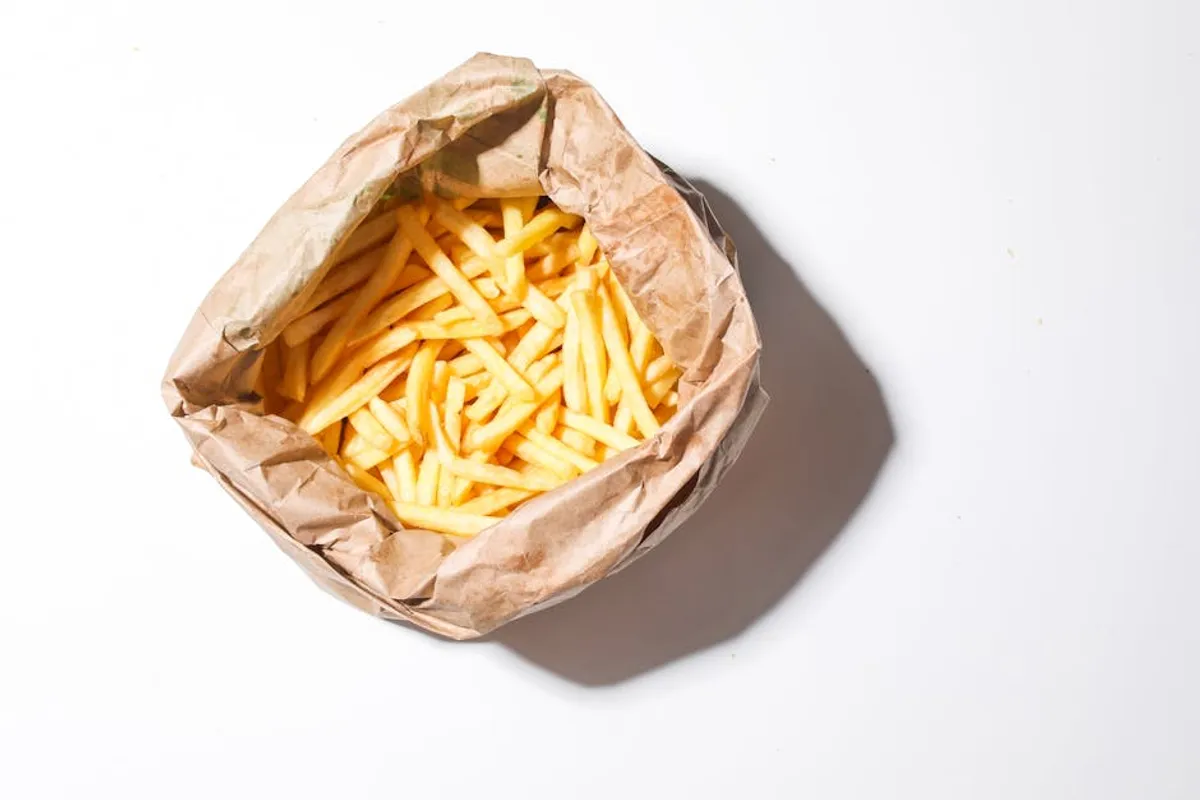
Reheating leftover fries presents a common culinary challenge: preserving their original crisp texture without rendering them limp and oily. The goal is to evaporate residual moisture while reactivating the oil on the surface, mimicking the conditions of their initial frying. Achieving this requires precise temperature control and an understanding of how different heating methods interact with the potato's structure and any remaining oil.
Air Fryer: Convection for Uniform Crispness
The air fryer stands out for its ability to circulate hot air rapidly, creating a convection effect that efficiently removes moisture from the fries' surface. This method minimizes the risk of sogginess and promotes an even, golden-brown crisp.
- Preparation: Arrange fries in a single layer in the air fryer basket. Overcrowding inhibits air circulation, leading to uneven heating and steaming. For best results, work in batches if you have a large quantity.
- Temperature and Time: Preheat the air fryer to 350-375°F (175-190°C). Cook for 3-6 minutes, shaking the basket halfway through. Thicker-cut fries may require closer to 6 minutes, while thinner shoestring varieties will crisp faster.
- Enhancement: A light mist of cooking oil (e.g., avocado or canola oil) can significantly improve crispness, particularly for fries that have become very dry. This reintroduces a minimal amount of fat to aid in heat transfer and browning.
Optimal for: Small to medium batches, rapid reheating, and achieving a texture closest to freshly fried.
Oven: Radiant Heat for Larger Portions
The conventional oven provides a reliable method for reheating larger quantities of fries, utilizing radiant heat to dry out and crisp the exterior. Success hinges on proper preheating and adequate space for heat distribution.
- Preparation: Preheat your oven to a high temperature, typically 400-425°F (200-220°C). Line a baking sheet with parchment paper or aluminum foil to prevent sticking and facilitate cleanup. Spread the fries in a single layer, ensuring no overlap. This maximizes exposure to the hot air and prevents steaming.
- Temperature and Time: Bake for 8-15 minutes, depending on thickness and desired crispness. Flip the fries halfway through to ensure even browning. Monitor closely towards the end to prevent burning, as oven temperatures can vary.
- Enhancement: For exceptionally dry fries, a very light toss with a high smoke point oil (like grapeseed or vegetable oil) before spreading them on the baking sheet can help. Use sparingly to avoid an oily finish.
Optimal for: Large batches, hands-off reheating, and achieving a consistent crispness across multiple servings.
Pro Tip: Regardless of the method chosen, avoid reheating fries directly from the refrigerator. Allowing them to come to room temperature for 10-15 minutes before reheating can lead to more uniform results and reduce the overall cooking time, preventing the exterior from burning before the interior is fully heated.
Stovetop Skillet: Direct Contact for Quick Crisp
For a quick solution involving smaller portions, a heavy-bottomed skillet on the stovetop offers direct heat transfer, effectively crisping fries through shallow frying. This method requires active supervision to prevent burning.
- Preparation: Heat 1-2 tablespoons of a neutral, high smoke point oil (e.g., canola, vegetable, or peanut oil) in a cast iron or non-stick skillet over medium-high heat. The oil should be shimmering but not smoking.
- Temperature and Time: Add fries to the hot oil in a single layer, ensuring not to overcrowd the pan. Cook for 3-5 minutes, stirring and flipping frequently with tongs or a spatula. The goal is to achieve a golden-brown color and a crisp exterior.
- Drainage: Once crisped, immediately transfer the fries to a plate lined with paper towels to absorb excess oil. This step is crucial for maintaining crispness and preventing a greasy texture.
Optimal for: Small portions, rapid reheating, and achieving a deep, satisfying crunch.
Fundamental Principles for Crispy Reheating
Across all reheating methods, several core principles dictate success in restoring crispness:
- Minimize Moisture: The primary enemy of crispy fries is moisture. Reheating methods must focus on evaporating internal and surface moisture.
- High Heat: Rapid, high heat ensures quick moisture evaporation and browning without overcooking the potato interior.
- Single Layer: Always spread fries in a single layer to allow even heat distribution and prevent steaming, which leads to sogginess.
- Minimal Oil: While a touch of fresh oil can aid crisping, excessive oil will result in a greasy product. Use just enough to facilitate browning and heat transfer.
Restoring Texture: A Practical Approach
The pursuit of perfectly reheated fries is about understanding the interplay of heat, moisture, and fat. Each method—air fryer, oven, or stovetop—offers distinct advantages based on batch size and desired speed. By adhering to the principles of high heat, proper spacing, and moisture management, you can consistently transform limp leftovers into a satisfyingly crispy side. Experimentation with these techniques will reveal which best suits your equipment and preferences, ensuring no fry goes to waste.
Frequently Asked Questions
Can I microwave fries to reheat them?
While a microwave will heat fries, it primarily steams them, almost guaranteeing a soft, soggy texture. It is not recommended if crispness is the goal, as it traps moisture rather than evaporating it.
How long can cooked fries be stored before reheating?
Cooked fries should be stored in an airtight container in the refrigerator and are best reheated within 3-5 days. Beyond this, their quality and safety may diminish.
Do different types of fries reheat better than others?
Thicker-cut fries (like steak fries) tend to reheat more successfully than thinner varieties (like shoestring or curly fries) because their larger surface area allows for more even crisping without overcooking the interior. Waffle fries also reheat well due to their structure.
Is it necessary to add oil when reheating?
For fries that are already somewhat oily, adding more oil might not be necessary. However, for drier fries or those that have lost their initial crisp, a very light mist or toss with a high smoke point oil can significantly improve the final texture by aiding in browning and heat transfer.