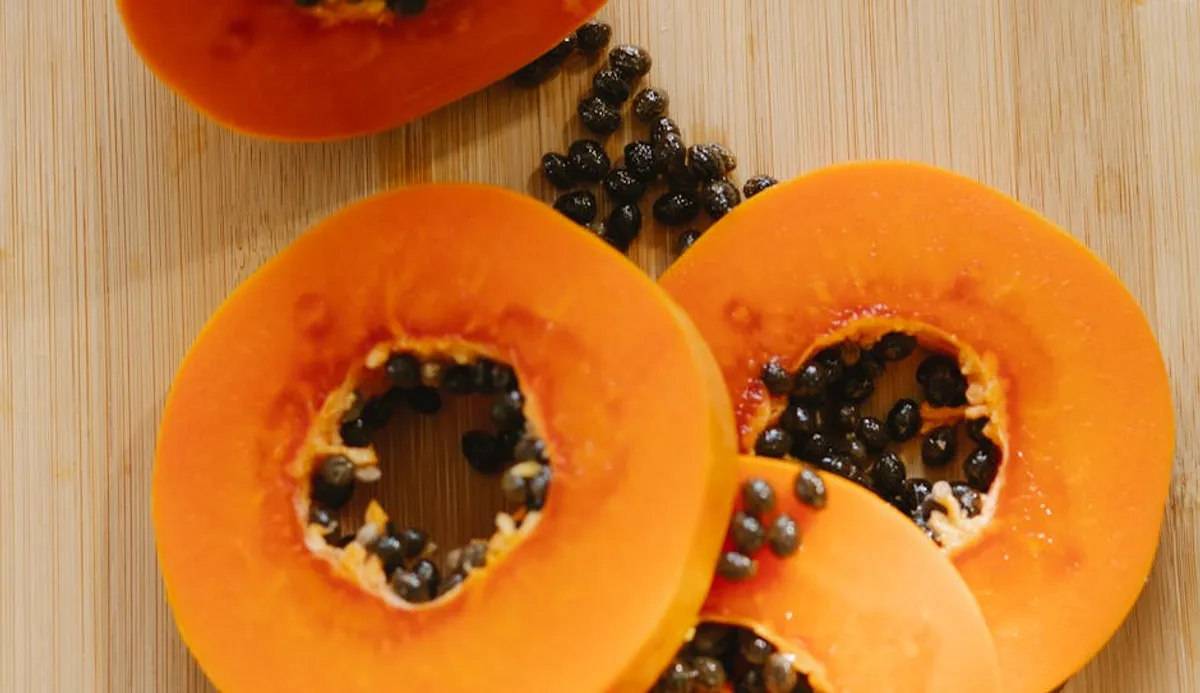
Green papaya, the unripe fruit of the Carica papaya plant, offers a distinct textural and flavor profile that sets it apart from its ripened counterpart. Unlike sweet, juicy yellow papaya, green papaya is firm, crisp, and largely flavor-neutral, making it a versatile ingredient in specific culinary traditions and a subject of interest for its traditional and perceived health benefits. Its utility extends beyond simple consumption, touching on culinary innovation, traditional remedies, and even certain commercial product formulations. Understanding its specific applications allows for targeted integration into menus, product development, or specialized dietary approaches.
Culinary Applications: A Foundation in Global Cuisines
The primary use of green papaya is in cooking, particularly across Southeast Asian and Caribbean cuisines. Its firm flesh does not break down easily when cooked, making it suitable for dishes requiring texture retention. When raw, it offers a crunchy bite, similar to jicama or unripe mango, absorbing flavors from dressings and marinades without overpowering them.
Signature Dishes and Preparations
The most iconic culinary application is arguably in salads. The shredded fruit provides a crisp base that stands up to robust dressings. For instance:
- Som Tum (Thai Green Papaya Salad): A quintessential dish where shredded green papaya is pounded with chilies, garlic, fish sauce, lime juice, palm sugar, peanuts, and often dried shrimp. Its role is to provide a refreshing, crunchy counterpoint to the spicy, sour, sweet, and salty dressing.
- Ginisang Papaya (Filipino Sautéed Green Papaya): Here, green papaya is sautéed with shrimp, pork, or chicken, often with garlic, onions, and tomatoes, showcasing its ability to absorb savory flavors and maintain texture in a cooked dish.
- Lumpia (Filipino Spring Rolls): Finely shredded green papaya can be incorporated into the filling of these savory spring rolls, adding a subtle crunch and vegetable bulk.
- Achar (Indian Pickles): In some regional variations, green papaya is pickled with spices, oil, and vinegar, demonstrating its capacity to take on strong preserving agents and develop complex flavors over time.
Beyond salads and stir-fries, green papaya is also used in curries and stews, where its mild flavor and fibrous texture contribute body without adding sweetness. It acts as an excellent vehicle for absorbing the rich spices and broths typical of such preparations.
Beyond the Plate: Traditional and Emerging Uses
Historically, green papaya has been recognized for properties attributed to papain, an enzyme concentrated in the unripe fruit. This enzyme is a protease, meaning it breaks down proteins.
Traditional Remedies and Folk Medicine
In various traditional medicine systems, green papaya has been employed for:
- Digestive Aid: The papain content is believed to assist in protein digestion, making it a traditional remedy for indigestion.
- Meat Tenderizer: The proteolytic enzymes in green papaya have been historically used to tenderize tough cuts of meat, either by wrapping meat in papaya leaves or using a paste made from the fruit. This principle is still applied in commercial meat tenderizers, which often list papain as an active ingredient.
- Lactation Support: In some cultures, particularly in Southeast Asia, cooked green papaya is consumed by new mothers, believed to aid in milk production.
- Wound Healing: Topically, a paste or poultice of green papaya has been used in traditional practices for its perceived ability to cleanse wounds and aid in healing, again attributed to its enzymatic action.
Commercial and Industrial Applications
The papain enzyme extracted from green papaya has broader industrial uses. It is found in:
- Meat Tenderizers: As noted, commercial products leverage papain's protein-breaking capabilities.
- Brewing Industry: Used to clarify beer, preventing "chill haze" by breaking down proteins that can cause cloudiness.
- Cosmetics: Incorporated into exfoliating creams, masks, and cleansers for its enzymatic action, which helps to break down dead skin cells.
- Pharmaceuticals: Explored for its anti-inflammatory and digestive properties in certain supplements.
Pro Tip: When handling green papaya, especially for the first time, be aware of the white latex sap that exudes when cut. This sap can irritate sensitive skin. Wearing gloves is recommended, and washing the fruit thoroughly after peeling will remove residual sap, ensuring it doesn't affect the final dish or cause discomfort.
Nutritional Profile: Understanding Its Composition
While less sweet than ripe papaya, green papaya still offers a beneficial nutritional profile. It is a good source of vitamins, minerals, and dietary fiber. Specifically, it provides:
- Vitamin C: An antioxidant essential for immune function and skin health.
- Vitamin A (as beta-carotene): Important for vision and immune health.
- Dietary Fiber: Aids in digestion and promotes satiety.
- Potassium: An electrolyte crucial for blood pressure regulation and nerve function.
- Folate: Important for cell growth and function.
Its low sugar content and high fiber make it a suitable ingredient for various dietary preferences, including those focusing on lower carbohydrate intake or increased fiber consumption.
Preparing Green Papaya: From Selection to Shredding
Selecting a firm, unblemished green papaya is crucial. The skin should be uniformly green, without any yellowing, which indicates ripening. For preparation:
- Peeling: Use a vegetable peeler or sharp knife to remove the tough outer skin.
- Seeding: Halve the papaya lengthwise and scoop out the white seeds and fibrous membrane using a spoon.
- Shredding: The most common preparation method involves shredding the flesh. A julienne peeler, mandoline, or a specialized papaya shredder can achieve the desired thin strips for salads and stir-fries. For curries or stews, it can be cut into cubes or chunks.
Maximizing Green Papaya's Potential
Incorporating green papaya into culinary or product development efforts requires an understanding of its unique characteristics. Its firm texture and mild flavor make it an adaptable ingredient for adding bulk, crunch, and nutritional value without dominating a dish. For commercial kitchens, its shelf stability when unripe is an advantage, and its distinct role in ethnic dishes can attract diverse customer bases. For product developers, the enzymatic properties of papain present opportunities in natural tenderizers, digestive aids, and cosmetic formulations. Leveraging green papaya effectively means recognizing its functional contributions—whether as a textural component, a flavor absorbent, or a source of beneficial enzymes.
Frequently Asked Questions
Q: Can green papaya be eaten raw?
A: Yes, green papaya is commonly eaten raw, especially in salads like Som Tum, where its crisp texture is a key component.
Q: What does green papaya taste like?
A: Unlike ripe papaya, green papaya has a very mild, almost neutral flavor, often described as slightly bitter or tart. Its primary contribution to dishes is its firm, crunchy texture.
Q: How do you store green papaya?
A: Store whole, unripe green papaya at room temperature for a few days, or in the refrigerator for up to a week. Once cut, wrap tightly in plastic wrap and refrigerate, consuming within 2-3 days.
Q: Is green papaya the same as ripe papaya?
A: No, they are the same fruit but at different stages of maturity. Green papaya is unripe and firm with a mild flavor, while ripe papaya is soft, sweet, and typically orange or yellow.