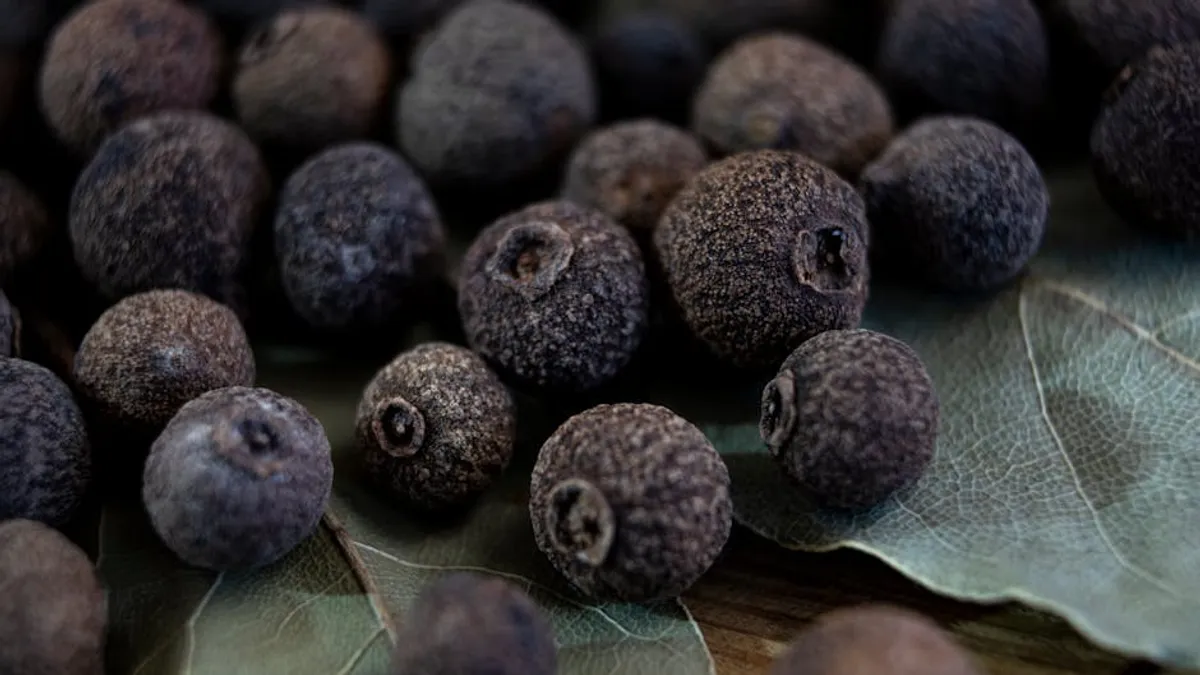
Allspice, despite its name, is not a blend of multiple spices but the dried, unripe berry of the Pimenta dioica tree, a member of the myrtle family. Its nomenclature stems from its unique flavor profile, which combines aromatic notes reminiscent of clove, nutmeg, and cinnamon, often with a hint of black pepper. Understanding this singular spice's characteristics, optimal applications, and effective substitutes is crucial for precise flavor management in both professional culinary environments and home kitchens, ensuring consistent results and informed ingredient decisions.
The Flavor Profile of Allspice
The distinctive taste of allspice is complex and warm, making it a versatile ingredient. Its primary aromatic compounds include eugenol, which contributes the clove-like notes; cineole, offering a subtle camphoraceous quality; and caryophyllene, providing woody and spicy undertones. This combination results in a robust, pungent, and slightly sweet flavor that enhances both sweet and savory preparations without overpowering other ingredients when used judiciously.
Key flavor components:
- Clove: Dominant warm, pungent, and slightly sweet notes from eugenol.
- Nutmeg: Earthy, nutty, and mildly sweet undertones.
- Cinnamon: Sweet, woody, and slightly spicy warmth.
- Black Pepper: A subtle, sharp pungency that provides depth, particularly in savory dishes.
Common Culinary Uses
Allspice finds extensive application across various global cuisines due to its balanced and adaptable flavor. Its ability to bridge sweet and savory profiles makes it a staple in numerous dishes.
Savory Applications
In savory cooking, allspice contributes a deep, aromatic warmth without the overt sweetness of other baking spices. It is a foundational ingredient in many traditional meat preparations.
Best for:
- Jamaican Jerk Cuisine: Essential for marinades and rubs, providing the characteristic pungent and earthy base.
- Pickling and Brining: Whole allspice berries are commonly used in pickling liquids for vegetables, meats, and seafood, imparting warmth and preservative qualities.
- Stews and Braises: Enhances the richness of slow-cooked meats, particularly beef, lamb, and game, by adding aromatic complexity.
- Sausage Making: Ground allspice is incorporated into various sausage blends, contributing to a balanced and traditional flavor.
- Middle Eastern and North African Dishes: Used in spice blends like Baharat, often paired with lamb, rice, and vegetable tagines.
Sweet Applications
Allspice's inherent sweetness and warmth make it a natural fit for desserts and baked goods, particularly during colder months.
Best for:
- Baked Goods: A common ingredient in pumpkin pie, apple pie, gingerbread, spice cakes, and cookies.
- Fruit Preparations: Pairs well with cooked fruits like apples, pears, and plums, often in crumbles, compotes, and preserves.
- Beverages: Used in mulled wine, hot cider, and certain spiced cocktails, contributing a festive aroma and flavor.
- Custards and Puddings: Adds a subtle, aromatic depth to creamy desserts.
Allspice Substitutes
When allspice is unavailable or a slightly different flavor profile is desired, several spice combinations can replicate its essence. The goal of substitution is to mimic the balance of clove, nutmeg, and cinnamon notes.
Common Blended Substitutions
The most direct approach involves combining the individual spices that comprise allspice's flavor profile. The precise ratios can be adjusted based on the specific dish and desired intensity.
Cinnamon, Clove, and Nutmeg Blend:
- Ratio: Typically, use equal parts ground cinnamon and ground nutmeg, with half a part of ground clove. For example, if a recipe calls for 1 teaspoon of allspice, use ½ teaspoon cinnamon, ½ teaspoon nutmeg, and ¼ teaspoon clove.
- Application: This blend is highly versatile and works effectively in both sweet and savory dishes where allspice is traditionally used.
Single Spice Substitutes (Less Ideal but Possible)
While not providing the full complexity, certain single spices can be used in a pinch, though they will alter the final flavor significantly.
- Clove: Offers the most pungent and warm note, but lacks the sweetness of cinnamon and earthiness of nutmeg. Use sparingly.
- Nutmeg: Provides an earthy sweetness, but without the sharp pungency of clove or the distinct warmth of cinnamon.
- Cinnamon: Offers warmth and sweetness, but lacks the depth and spice of clove and nutmeg.
- Pumpkin Pie Spice Blend: This commercial blend often contains cinnamon, nutmeg, ginger, and clove. It can function as an allspice substitute, especially in sweet applications, but be mindful of the added ginger, which introduces a distinct spicy-citrus note not present in pure allspice.
Pro Tip: When substituting, always start with a smaller quantity than the recipe calls for, especially with pungent spices like clove. Taste and adjust incrementally. The strength of ground spices can vary, and it's easier to add more than to correct an over-spiced dish. For whole allspice berries in pickling or brining, a combination of whole cloves, a cinnamon stick piece, and a few black peppercorns can replicate the aromatic contribution.
Integrating Allspice into Your Pantry and Recipes
For optimal flavor, purchase whole allspice berries and grind them as needed using a spice grinder or mortar and pestle. Whole spices retain their volatile oils longer, yielding a more potent and fresh flavor. Store both whole and ground allspice in airtight containers away from direct light and heat to preserve their aromatic qualities. Ground allspice typically maintains peak potency for 6-12 months, while whole berries can last for several years.
Final Flavor Considerations
Allspice's role in a dish is to provide a unifying warmth and depth. When developing recipes or adapting existing ones, consider how its unique blend of flavors interacts with other ingredients. In sweet dishes, it complements fruits and dairy, while in savory preparations, it cuts through richness and adds an aromatic backbone. Experimentation with quantities and combinations is key to mastering its application.
Frequently Asked Questions
Q: Is allspice the same as mixed spice?
A: No, allspice is a single spice derived from the Pimenta dioica berry. Mixed spice is a blend of several ground spices, typically including cinnamon, nutmeg, and clove, similar to a homemade allspice substitute.
Q: Can allspice be used in savory dishes?
A: Absolutely. Allspice is a fundamental ingredient in many savory cuisines, particularly Jamaican jerk, Middle Eastern stews, and various pickling recipes, where it provides warmth and depth without sweetness.
Q: Does allspice contain gluten?
A: Pure allspice, whether whole or ground, is naturally gluten-free. As with any packaged spice, it is advisable to check labels for any potential cross-contamination warnings if severe allergies are a concern.
Q: What is the difference between whole and ground allspice?
A: Whole allspice berries offer a more nuanced and fresher flavor when ground just before use, as their volatile oils are preserved within the berry. Ground allspice is convenient but loses potency faster due to increased surface area exposure to air and light.