Traditional Jamaican cuisine offers a vibrant tapestry of flavors, deeply rooted in the island's rich history and diverse cultural influences. For those seeking to understand the core components of this globally celebrated food tradition, this guide provides an essential framework. It details the foundational dishes, characteristic ingredients, and preparation methods that define Jamaican cooking, moving beyond surface-level descriptions to offer practical insights into what makes each dish distinct. Understanding these elements is key to appreciating the culinary landscape and its commercial appeal, whether for menu development, food tourism, or simply a deeper personal exploration.
Staple Dishes and Hearty Meals
The backbone of Jamaican cooking lies in its substantial main courses, often featuring slow-cooked meats, fresh seafood, or hearty legumes, all infused with a distinctive blend of spices.
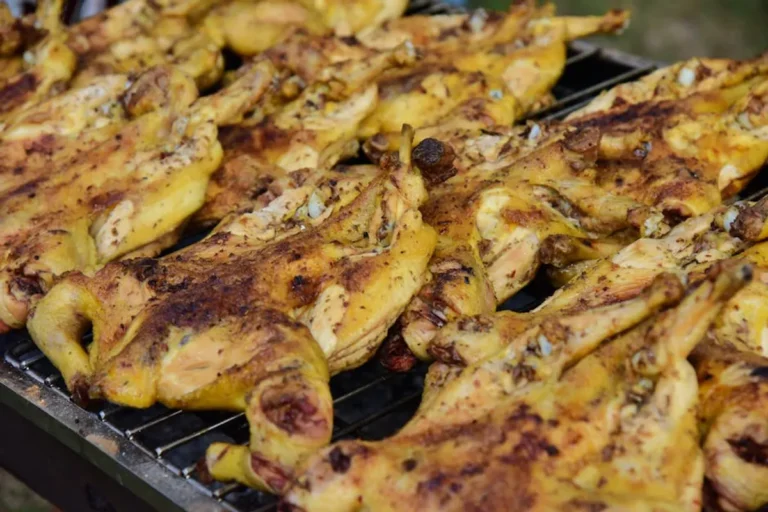
Jerk Chicken
Jerk chicken is arguably Jamaica’s most famous culinary export, recognized for its complex heat and aromatic profile. The preparation involves marinating chicken pieces in a potent blend of Scotch bonnet peppers, allspice (pimento), thyme, scallions, ginger, and various other spices. The traditional cooking method involves slow-grilling over pimento wood, which imparts a smoky, unique flavor. The high heat of the Scotch bonnet is balanced by the earthy notes of allspice and herbs, creating a layered taste experience.
- Key ingredients: Chicken, Scotch bonnet peppers, allspice (pimento), thyme, scallions, ginger, garlic, soy sauce.
- Flavor profile: Spicy, smoky, savory, aromatic with earthy undertones.
- Often served with: Rice and peas, festival (fried dumplings), coleslaw.
Ackee and Saltfish
Designated as the national dish, ackee and saltfish offers a unique savory experience that highlights the island's agricultural and historical heritage. Ackee is a fruit, cooked after careful preparation to remove toxic parts, which then develops a creamy, scrambled egg-like texture. It is sautéed with rehydrated and flaked salt cod, onions, tomatoes, and Scotch bonnet peppers. The dish is a cornerstone of Jamaican breakfast but is enjoyed at any meal.
- Key ingredients: Ackee fruit, salted codfish, onions, tomatoes, Scotch bonnet peppers, scallions, thyme.
- Flavor profile: Savory, mildly spicy, slightly sweet from the ackee, with a distinct umami from the saltfish.
- Often served with: Fried dumplings, roasted breadfruit, boiled green bananas, or callaloo.
Curried Goat
Curried goat is a rich, flavorful stew, deeply influenced by Indian culinary traditions brought to the island. Tender pieces of goat meat are slow-cooked in a robust curry sauce featuring Jamaican curry powder (a blend typically including turmeric, coriander, cumin, fenugreek, and allspice), potatoes, carrots, and Scotch bonnet peppers. The long cooking time ensures the meat is exceptionally tender and fully absorbs the aromatic spices, resulting in a deeply satisfying dish.
- Key ingredients: Goat meat, Jamaican curry powder, potatoes, carrots, Scotch bonnet peppers, onions, garlic, ginger.
- Flavor profile: Earthy, spicy, aromatic, with a hearty and robust flavor.
- Often served with: White rice, roti (flatbread), or rice and peas.
Flavorful Sides and Accompaniments
No Jamaican meal is complete without its complementary sides, which often provide textural contrast, additional nutrition, and balance to the main dishes.
Rice and Peas
Rice and peas is a fundamental accompaniment to almost any Jamaican meal, particularly on Sundays and holidays. It involves cooking long-grain rice with kidney beans (the "peas"), coconut milk, scallions, thyme, and often a whole Scotch bonnet pepper for subtle flavor infusion. The coconut milk imparts a creamy texture and a mild sweetness, while the herbs add freshness.
- Key ingredients: Long-grain rice, kidney beans, coconut milk, scallions, thyme, Scotch bonnet pepper.
- Flavor profile: Creamy, savory, subtly sweet, with herbal notes.
- Often served with: Jerk chicken, curried goat, stewed beef, or fried fish.
Festival
Festival is a slightly sweet, fried dumpling that serves as a popular side, especially with fried fish or jerk dishes. Made from a simple dough of flour, cornmeal, sugar, and baking powder, it is deep-fried until golden brown and fluffy. The cornmeal gives it a slightly coarser texture than regular dumplings, and the touch of sugar makes it a pleasant contrast to savory main courses.
- Key ingredients: Flour, cornmeal, sugar, baking powder, water.
- Flavor profile: Slightly sweet, savory, with a soft interior and crisp exterior.
- Often served with: Escovitch fish, jerk chicken, or any stew.
Pro Tip: When exploring Jamaican cuisine, always inquire about the spice level, especially with dishes featuring Scotch bonnet peppers. While integral to the flavor, the heat can vary significantly. Many establishments can adjust the spice, or offer mild alternatives, ensuring an enjoyable experience for all palates.
Refreshing Drinks and Desserts
Jamaican culinary experiences extend to its beverages and sweets, which often utilize local fruits and spices for distinct tastes.
Sorrel Drink
Sorrel drink is a vibrant, ruby-red beverage traditionally associated with Christmas, though enjoyed year-round. It is made from the dried calyces of the sorrel plant (a species of hibiscus), steeped with ginger, pimento (allspice) berries, and sweetened with sugar. The drink is tart, spicy, and incredibly refreshing, often served chilled, and sometimes spiked with rum.
- Key ingredients: Dried sorrel calyces, fresh ginger, pimento berries, sugar, water.
- Flavor profile: Tart, spicy, sweet, with floral notes.
- Often served: Chilled, especially during festive seasons or as a refreshing accompaniment.
Gizzada
Gizzada is a classic Jamaican pastry, featuring a sweet, spiced coconut filling encased in a crisp, fluted pastry shell. The filling typically includes grated coconut, brown sugar, ginger, and nutmeg, creating a warm, aromatic sweetness that is characteristic of Caribbean desserts. The contrast between the tender coconut and the firm pastry shell makes it a popular treat.
- Key ingredients: Flour, butter, sugar (for pastry); grated coconut, brown sugar, ginger, nutmeg (for filling).
- Flavor profile: Sweet, spiced, coconutty, with a rich, buttery crust.
- Often enjoyed as: A dessert, snack, or with coffee.
Navigating Your Jamaican Culinary Journey
Engaging with traditional Jamaican food is an exploration of bold flavors and rich cultural narratives. From the fiery complexity of jerk seasoning to the comforting simplicity of rice and peas, each dish tells a story. This guide provides a foundation for understanding the key components and culinary techniques that define this cuisine. For those looking to integrate these flavors into their offerings or simply expand their palate, focusing on authentic ingredients and traditional preparation methods will yield the most rewarding experiences. The commercial utility of these distinct flavors is evident in their global appeal; mastering their nuances can differentiate any food-related venture.
Frequently Asked Questions About Jamaican Food
Is Jamaican food always spicy?
While many Jamaican dishes incorporate Scotch bonnet peppers for flavor and heat, not all are intensely spicy. Dishes like ackee and saltfish, brown stew chicken, or steamed fish can be prepared with minimal or no added heat, focusing instead on savory and herbal notes. However, a mild underlying warmth is often present due to ingredients like ginger and allspice.
Are there vegetarian options in traditional Jamaican cuisine?
Yes, traditional Jamaican cuisine offers numerous vegetarian and vegan-friendly options. Popular choices include callaloo (a leafy green similar to spinach), rundown (vegetables cooked in coconut milk), various pea and bean stews, roasted breadfruit, and plantain dishes. Rice and peas, while often served with meat, is inherently vegetarian.
What are the most common spices used in Jamaican cooking?
The most common spices and herbs in Jamaican cooking include allspice (pimento), thyme, scallions, ginger, garlic, and Scotch bonnet peppers. Other frequently used ingredients are nutmeg, cinnamon, and various blends found in Jamaican curry powder.
What is the significance of "ital" food in Jamaica?
"Ital" (pronounced eye-tal) food is a dietary philosophy primarily associated with the Rastafari movement in Jamaica. It emphasizes natural, unprocessed foods, often strictly vegetarian or vegan, prepared without salt, artificial additives, or chemicals. The term "ital" signifies vitality and a connection to nature, promoting health and spiritual well-being through diet.