Nicaraguan cuisine offers a distinct culinary profile, shaped by indigenous traditions and Spanish influence, with a strong emphasis on corn, rice, beans, and local produce. For those seeking to explore Central American flavors, understanding the core dishes provides a practical entry point into the country’s gastronomic heritage. This guide details essential Nicaraguan foods, outlining their composition, preparation, and what makes each a notable experience for first-time tasters or seasoned enthusiasts.
Staples of the Nicaraguan Table
Gallo Pinto: The Ubiquitous Foundation
Gallo Pinto, meaning "painted rooster," is the national dish of Nicaragua and a cornerstone of nearly every meal. This seemingly simple combination of red beans and white rice is stir-fried together, often with a hint of garlic, onion, and a crucial ingredient: a splash of the water in which the beans were cooked. This bean broth imparts a distinctive reddish-brown hue and depth of flavor, preventing the dish from tasting dry or bland. The rice grains absorb the bean essence, creating a harmonious, savory blend that is both comforting and energizing. It serves as a versatile base for eggs at breakfast, grilled meats at lunch, or fried plantains at dinner.
Best for: An authentic taste of daily Nicaraguan life, versatile pairing with almost any protein or vegetable.
Nacatamales: A Weekend Tradition
Nacatamales represent a more elaborate and labor-intensive culinary endeavor, typically prepared for special occasions or weekend breakfasts. These large, savory tamales are made from a masa (corn dough) enriched with lard, often seasoned with achiote for color, and filled with a substantial mixture. Common fillings include marinated pork or chicken, potato slices, rice, spearmint (hierbabuena), tomatoes, onions, and sometimes a prune or a chili pepper. Each nacatamal is meticulously wrapped in plantain leaves, tied securely, and then slow-cooked for several hours until the masa is tender and the flavors are fully melded. The plantain leaves impart a unique earthy aroma during the steaming process.
- Masa: Corn dough, lard, achiote.
- Fillings: Marinated pork/chicken, potato, rice, spearmint, tomato, onion.
- Wrapping: Plantain leaves.
- Cooking: Long steaming process.
Best for: A hearty, traditional breakfast or brunch, offering a complex flavor and textural experience.
Street Food and Hearty Meals
Vigorón: The Classic Street Vendor Fare
Vigorón is a quintessential Nicaraguan street food, particularly popular in Granada. This dish combines three main components: boiled yuca (cassava), chicharrón (fried pork belly or pork rinds), and a vibrant cabbage salad known as curtido. The curtido is typically made with shredded cabbage, tomatoes, onions, and a dressing of vinegar and lime, sometimes with a hint of chili. Served on a plantain leaf, the contrast of the soft, starchy yuca, the crispy, salty chicharrón, and the tangy, fresh curtido creates a balanced and satisfying experience. It's a textural and flavor interplay that defines Nicaraguan casual dining.
Best for: A quick, flavorful, and filling snack or light meal, ideal for experiencing local street food culture.
Pro Tip: When trying Vigorón, look for vendors who prepare their curtido fresh. The crunch and acidity of a well-made curtido are essential to balance the richness of the chicharrón and the starchiness of the yuca.
Indio Viejo: A Rich, Ancestral Stew
Indio Viejo, translating to "Old Indian," is a thick, savory stew with roots in pre-Columbian indigenous cooking. Its name refers to a legend about hiding the dish from Spanish conquistadors. The base of Indio Viejo is shredded beef (often brisket or flank steak) combined with masa, which acts as a thickener, along with onions, garlic, sweet peppers, and bitter orange juice. The masa is first dissolved in water or broth, then cooked with the beef and vegetables until it forms a cohesive, rich stew. It’s often served with gallo pinto and fried plantains, embodying a deep, earthy flavor profile.
Best for: A comforting, substantial meal that showcases indigenous culinary techniques and flavors.
Snacks and Sweets
Quesillo: The Simple Delight
Quesillo is a popular snack, especially prevalent in the departments of León and Managua. It consists of a thick tortilla wrapped around a piece of soft, stringy cheese (similar to mozzarella or Oaxaca cheese). This is then topped with pickled onions and a generous dollop of cream or sour cream. Sometimes, a dash of vinegar or a mild chili sauce is added for an extra kick. The simplicity of the ingredients belies the satisfying combination of textures and flavors: the chewiness of the tortilla, the saltiness of the cheese, the tang of the onions, and the creaminess of the topping.
Best for: A refreshing, savory snack that is easy to eat on the go and offers a distinct regional taste.
Fritanga: The Communal Feast
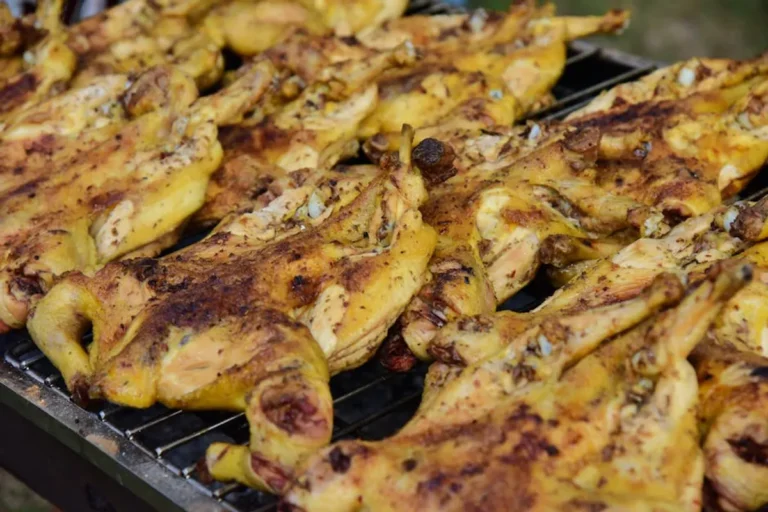
While not a single dish, "Fritanga" refers to a type of open-air eatery or a style of meal where various fried and grilled items are served cafeteria-style. These typically include grilled meats (carne asada), fried chicken, fried plantains (maduros and tostones), fried cheese, yuca, and often a side of gallo pinto or cabbage salad. Fritangas are common throughout Nicaragua, offering an affordable and customizable way to sample a range of local preparations. The charcoal-grilled meats and crispy fried elements are characteristic of this communal dining experience.
Best for: Sampling a variety of Nicaraguan fried and grilled specialties in a casual, communal setting.
Navigating Nicaraguan Flavors
Exploring Nicaraguan cuisine provides a direct connection to the country's cultural landscape. From the daily staple of gallo pinto to the festive nacatamales, each dish tells a story through its ingredients and preparation. Understanding these core offerings allows for a more informed appreciation of local menus, whether in a traditional restaurant or from a street vendor. Focus on dishes that feature local produce like plantains and yuca, and observe how beans and corn are ingeniously integrated into both simple and complex preparations. This approach ensures a comprehensive and authentic culinary journey.
Frequently Asked Questions About Nicaraguan Food
What are the most common ingredients in Nicaraguan cuisine?
The most common ingredients include corn, rice, red beans, plantains (both green and ripe), yuca (cassava), beef, chicken, pork, and local cheeses. Vegetables like cabbage, tomatoes, onions, and sweet peppers are also widely used.
Is Nicaraguan food spicy?
Generally, Nicaraguan food is not inherently spicy compared to Mexican or other Central American cuisines. While some dishes may include mild chili or be served with a side of hot sauce (chile congo), the primary flavors tend to be savory, earthy, and sometimes tangy from ingredients like bitter orange or vinegar.
Are there vegetarian options available in Nicaraguan cuisine?
Yes, many dishes can be adapted for vegetarians. Gallo Pinto is inherently vegetarian, and options like fried plantains (maduros or tostones), boiled yuca, and various salads are common. Quesillo can be vegetarian if prepared without meat-based sauces. Always confirm ingredients, especially regarding broths or lard in masa.
What is a typical Nicaraguan breakfast?
A typical Nicaraguan breakfast often features gallo pinto served with fried or scrambled eggs, fried cheese, and a side of either fried ripe plantains (maduros) or a fresh tortilla. Coffee and fresh fruit juice are common beverages.