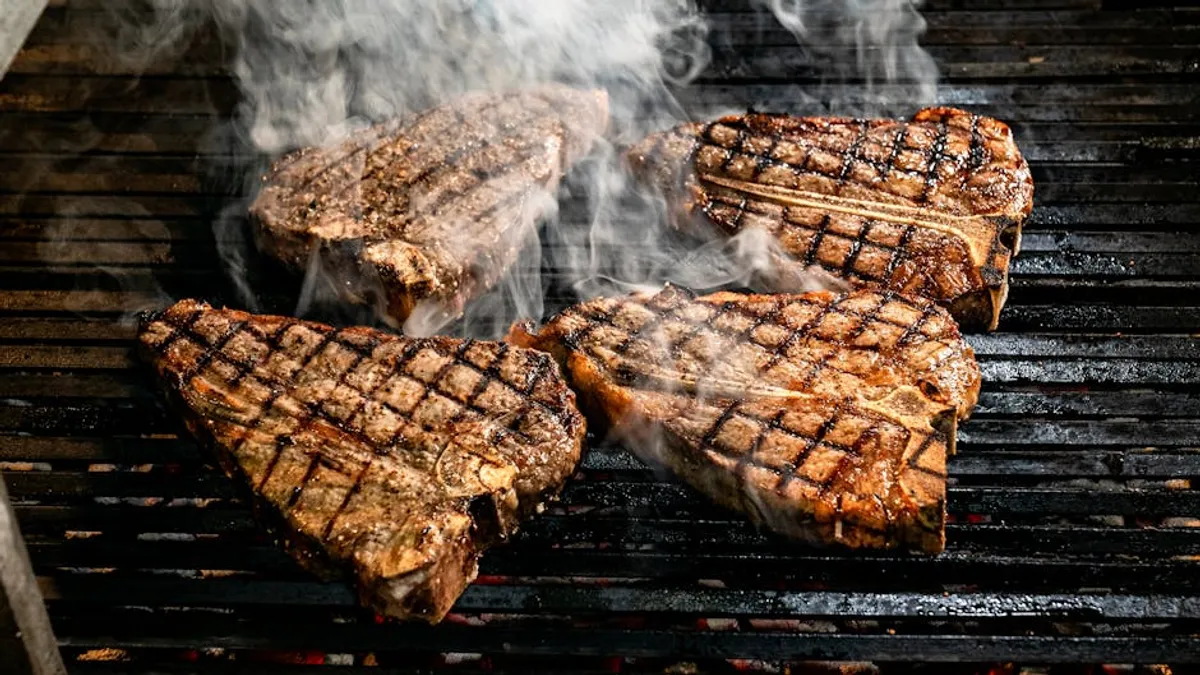
Reheating steak often presents a challenge: how to revive its juicy tenderness and seared crust without rendering it dry and tough. While microwaves can overcook and ovens can dry out, a pan-based approach offers precise control over temperature and moisture, making it the most effective method for restoring leftover steak to its original appeal. This strategy focuses on achieving even internal heating while simultaneously developing a desirable exterior crust. This strategy focuses on achieving even internal heating while simultaneously developing a desirable exterior crust, making it the best way to reheat steak.
Preparing Your Steak for Reheating
Successful pan reheating begins before the steak touches the heat. Proper preparation ensures even cooking and minimizes moisture loss.
Bringing Steak to Room Temperature
Remove the steak from the refrigerator at least 30-60 minutes before reheating. This allows the meat to come closer to room temperature, preventing the exterior from overcooking while the interior remains cold. A cold core requires longer cooking times, increasing the risk of drying out the outer layers.
Drying and Seasoning
Pat the steak thoroughly dry on all sides with paper towels. Surface moisture creates steam, which hinders the development of a flavorful, crispy crust. Once dry, consider a light re-seasoning. If the steak was originally seasoned aggressively, a pinch of salt and a grind of fresh black pepper will suffice. For less seasoned cuts, a more robust application can enhance flavor.
Selecting the Right Pan and Temperature
The choice of cooking vessel and the heat applied are critical for achieving optimal results.
Pan Material Considerations
Best for: Cast iron or heavy-bottomed stainless steel pans. These materials retain and distribute heat exceptionally well, providing a consistent cooking surface crucial for searing and even reheating. Non-stick pans can work but may not achieve the same level of crust development.
Achieving Optimal Heat
Place your chosen pan over medium-high heat. Allow it to preheat for 3-5 minutes until it is sufficiently hot. A hot pan ensures an immediate sear upon contact, locking in juices and forming a crust. Test the heat by adding a few drops of water; if they sizzle and evaporate quickly, the pan is ready. Add a small amount of high smoke-point oil (e.g., grapeseed, avocado, or canola oil) to lightly coat the pan bottom just before adding the steak.
The Pan Reheating Process: Step-by-Step
This method combines a quick sear with gentle, thorough heating to preserve texture and flavor.
- Initial Sear: Place the room-temperature, dried, and seasoned steak into the hot, lightly oiled pan. Sear for 1-2 minutes per side. This step is crucial for re-establishing a flavorful crust.
- Reduce Heat and Gentle Heating: After the initial sear, reduce the heat to medium-low. This prevents the exterior from burning while allowing the interior to warm gradually.
- Basting (Optional): For added moisture and flavor, add a tablespoon of butter, a sprig of fresh rosemary or thyme, and a smashed garlic clove to the pan. Tilt the pan and spoon the melted butter and aromatics over the steak continuously for the remainder of the reheating process.
- Monitoring Internal Temperature: The most reliable way to ensure a perfectly reheated steak is to use an instant-read meat thermometer. Insert the thermometer into the thickest part of the steak, avoiding bone.
Pro Tip: Aim for an internal temperature 10-15°F below your desired final doneness. The steak will continue to cook slightly as it rests, ensuring it reaches the perfect temperature without overcooking. For example, if you prefer medium-rare (130-135°F), remove the steak from the pan when it reaches 120-125°F.
Finishing and Resting for Best Results
Once the steak reaches the desired internal temperature, remove it from the pan immediately. Transfer it to a cutting board or plate and tent loosely with aluminum foil. Allow the steak to rest for 5-10 minutes. This resting period is critical; it allows the juices, which have been driven to the center by the heat, to redistribute throughout the meat, resulting in a more tender and juicy final product. Slicing too early will cause these juices to escape, leading to a drier steak.
Common Pitfalls to Avoid When Reheating Steak
- Overcooking: The most frequent error. Reheating aims to warm, not re-cook. Use a thermometer and remove the steak before it reaches its target doneness.
- Cold Core: Not bringing the steak to room temperature before reheating leads to uneven cooking, where the outside is warm but the center remains cold.
- Lack of Crust: Insufficiently hot pan or not drying the steak prevents the maillard reaction, resulting in a steamed, rather than seared, exterior.
- Skipping the Rest: Cutting into the steak immediately after reheating causes significant moisture loss, making the meat tough and dry.
Maintaining Steak Quality: A Practical Guide
To consistently achieve excellent results when reheating steak in a pan, focus on control and precision. Understand that the goal is gentle warming to a specific internal temperature, rather than aggressive cooking. A well-preheated pan, a dry steak, and careful temperature monitoring are the cornerstones of this process. The slight effort invested in these steps yields a significantly better eating experience, transforming leftover steak from a compromise into a desirable meal.
Frequently Asked Questions About Reheating Steak
Q: Can I reheat a rare steak to medium-rare?
A: Yes, reheating a rarer steak provides more leeway to reach your desired doneness. Follow the pan method, aiming for the internal temperature specific to medium-rare (130-135°F), removing it slightly before to account for carryover cooking.
Q: How long does it take to reheat steak in a pan?
A: The total time varies based on steak thickness and initial temperature. Generally, expect 4-8 minutes of active pan time, plus a 5-10 minute resting period.
Q: Should I add water or broth to the pan when reheating?
A: No, adding liquid will steam the steak, preventing a desirable crust from forming. The goal is dry heat for searing, with optional butter basting for moisture and flavor.
Q: What if I don't have an instant-read thermometer?
A: While less precise, you can use the touch test: press the steak with your finger. A rare steak will feel soft, medium-rare will have a slight spring, and well-done will feel firm. This requires practice and is less reliable than a thermometer.