Starting the day with a nutritious, satisfying breakfast often feels like a luxury, not a daily standard. The morning rush frequently leads to skipped meals, quick but unhealthy options, or decision fatigue before the workday even begins. Meal prepping breakfast for the week directly addresses these challenges by front-loading the effort, transforming chaotic mornings into streamlined routines. This approach not only saves significant time during critical hours but also ensures consistent access to balanced meals, supports dietary goals, and often reduces overall food costs by minimizing impulsive purchases or takeout.
Why Prioritize Breakfast Meal Prep?
The strategic advantage of breakfast meal prep extends beyond simple convenience. By dedicating focused time once a week, you eliminate daily cooking decisions and ingredient gathering. This proactive planning locks in nutritional value, allowing for precise control over ingredients, portion sizes, and macronutrient balance—a critical factor for those managing specific dietary needs or health objectives. Furthermore, batch cooking reduces food waste by utilizing ingredients efficiently and extends the shelf life of prepared components. The cumulative effect is a reduction in morning stress, a more consistent intake of wholesome food, and a tangible return on the initial time investment.
Selecting Your Weekly Breakfast Menu
Assessing Dietary Needs and Preferences
Effective breakfast meal prepping begins with a clear understanding of individual dietary requirements and taste preferences. Consider any allergies, intolerances, or specific macronutrient targets (e.g., higher protein, lower carb). Factor in how much variety you prefer; some individuals thrive on eating the same meal daily, while others require two or three rotating options to maintain interest. This assessment guides recipe selection, ensuring prepared meals are both enjoyable and beneficial.
Choosing Prep-Friendly Recipes
The best breakfast recipes for weekly meal prep share common characteristics: they hold up well in refrigeration, reheat effectively without compromising texture, and can be prepared in larger quantities. Prioritize ingredients that maintain quality over several days, such as oats, certain grains, cooked proteins like eggs or sausage, and sturdy vegetables. Avoid delicate greens or fruits that wilt or degrade quickly when pre-prepared or mixed into wet ingredients. Recipes that allow for component separation until serving are often ideal for preserving freshness.
Essential Tools for Efficient Breakfast Prep
Storage Solutions
Appropriate storage containers are fundamental for successful meal prepping. Invest in airtight, microwave-safe glass or BPA-free plastic containers with secure lids. Glass options are preferred for durability, stain resistance, and ease of cleaning, especially for reheatable items. Look for stackable designs to optimize refrigerator space. Smaller containers or silicone bags are useful for individual portions of nuts, seeds, or fruit to be added just before serving.
Cooking Equipment
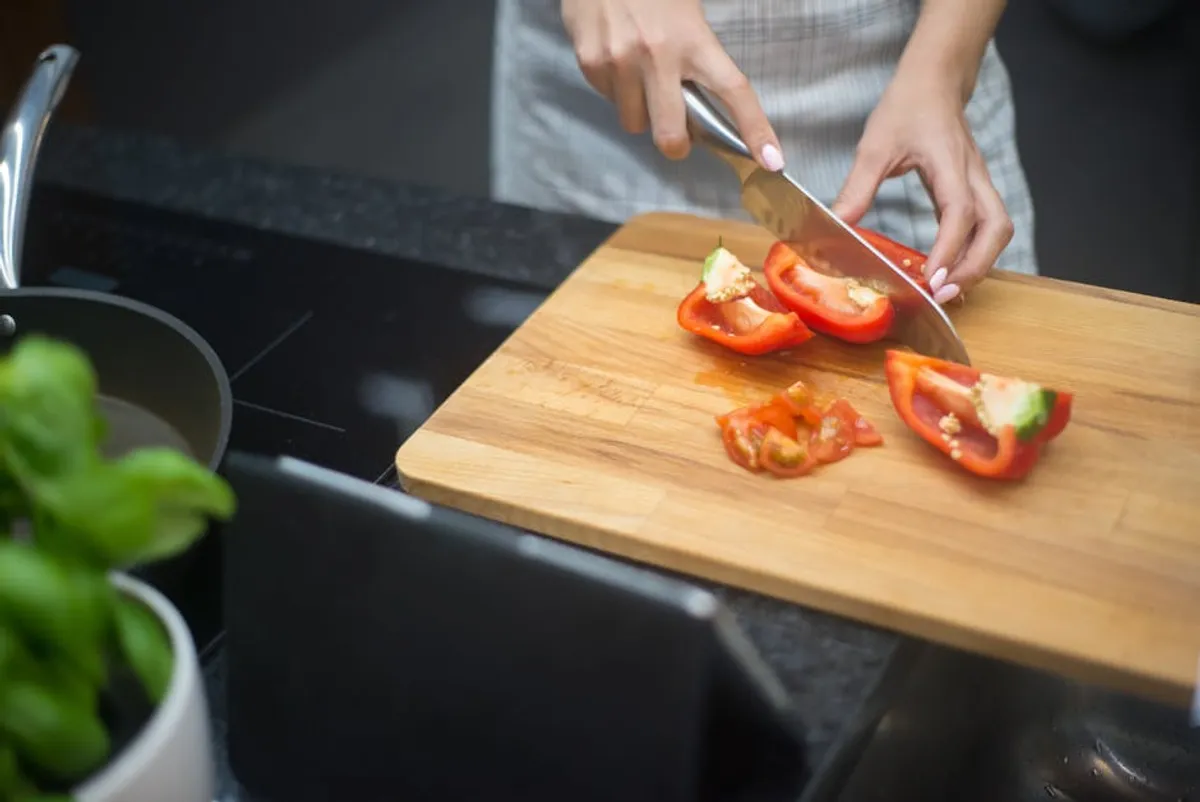
While not strictly essential, certain kitchen tools significantly streamline the batch cooking process. A large sheet pan facilitates roasting multiple ingredients simultaneously, like vegetables or breakfast sausages. A slow cooker can prepare oatmeal or frittatas overnight, while an Instant Pot speeds up grain cooking. A high-speed blender is invaluable for smoothie packs. Basic tools like sharp knives, cutting boards, and large mixing bowls remain core to efficient preparation.
Your Step-by-Step Meal Prep Workflow
Planning and Grocery Shopping
Dedicate 15-30 minutes to planning your menu for the week. Select 2-3 breakfast options that align with your dietary goals and prep-friendly criteria. Create a detailed grocery list based on your chosen recipes, checking pantry staples first to avoid unnecessary purchases. Consolidate your shopping trip to save time and reduce impulse buys.
Batch Cooking Techniques
Once groceries are acquired, organize your cooking tasks to maximize efficiency. Begin with items that require the longest cooking times or can cook simultaneously. For example, roast vegetables and bake egg muffins on the same sheet pan. While those are cooking, prepare overnight oats or chop fruit for smoothie packs. Utilize multiple burners or appliances concurrently to reduce overall prep time. Focus on completing one ingredient type across all recipes before moving to the next (e.g., chop all vegetables, then cook all proteins).
Assembly and Portioning
After cooking, allow all components to cool completely before assembling. This prevents condensation inside containers, which can lead to sogginess or faster spoilage. Portion out individual servings into your airtight containers. For items like overnight oats, assemble them fully. For others, like breakfast burritos, wrap them individually. For smoothie packs, combine dry ingredients and frozen fruit into individual bags, ready for blending with liquid.
Proper Storage for Longevity
Correct storage is critical for maintaining freshness and food safety. Refrigerate prepared breakfasts within two hours of cooking. Most meal-prepped breakfasts remain fresh for 3-5 days when stored in airtight containers in the refrigerator. Items like breakfast burritos or smoothie packs can be frozen for longer storage, often up to 1-2 months, then thawed overnight in the refrigerator or reheated directly.
Pro Tip: Always label containers with the date of preparation and the contents. This simple practice prevents confusion, helps track freshness, and ensures you consume meals within their optimal window, minimizing waste.
High-Yield Breakfast Ideas
Consider these categories for scalable, prep-friendly breakfast options:
- Overnight Oats: Combine rolled oats, milk (dairy or non-dairy), chia seeds, and flavorings (fruit, nuts, spices) in jars. Ready to eat cold.
- Egg Muffins/Frittatas: Whisk eggs with chopped vegetables, cheese, and protein, then bake in muffin tins or a larger dish. Easily reheated.
- Breakfast Burritos: Scrambled eggs, cooked sausage or beans, cheese, and vegetables wrapped in tortillas. Freeze well for longer storage.
- Smoothie Packs: Portion frozen fruit, spinach, protein powder, and seeds into individual bags. Add liquid and blend fresh each morning.
- Baked Goods: Whole-grain muffins, breakfast cookies, or granola bars made in advance. Store at room temperature or freeze.
Sustaining Your Breakfast Prep Routine
Consistency is key to leveraging the benefits of breakfast meal prep. Start small by prepping just 2-3 days' worth of meals, then gradually increase as you gain confidence and efficiency. Experiment with different recipes and techniques to discover what works best for your schedule and preferences. Don't be afraid to adjust your menu based on seasonal ingredients or evolving tastes. The goal is to establish a sustainable system that simplifies your mornings and supports your well-being, making breakfast a consistent, nourishing start to your day rather than an afterthought.
Frequently Asked Questions
How long do meal-prepped breakfasts typically last in the refrigerator?
Most meal-prepped breakfasts, when stored in airtight containers, will remain fresh and safe to eat for 3 to 5 days in the refrigerator.
Can I freeze meal-prepped breakfasts?
Yes, many breakfast items like breakfast burritos, egg muffins, and smoothie packs freeze exceptionally well. Freeze them in individual portions for easy retrieval, and thaw overnight in the refrigerator before reheating or using.
What are the best types of containers for breakfast meal prep?
Airtight, microwave-safe glass containers with secure lids are generally recommended. They are durable, non-porous, and maintain food quality better than many plastic alternatives, especially for items that will be reheated.
How can I prevent my meal-prepped breakfasts from becoming soggy?
Allow all cooked ingredients to cool completely before assembling and storing. For dishes with separate components (e.g., oatmeal with toppings), store wet and dry ingredients separately until just before eating. Avoid adding dressings or sauces until serving time.