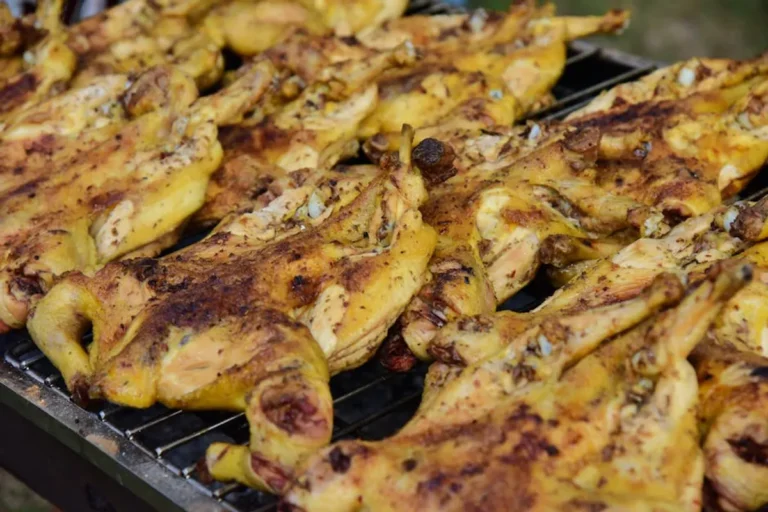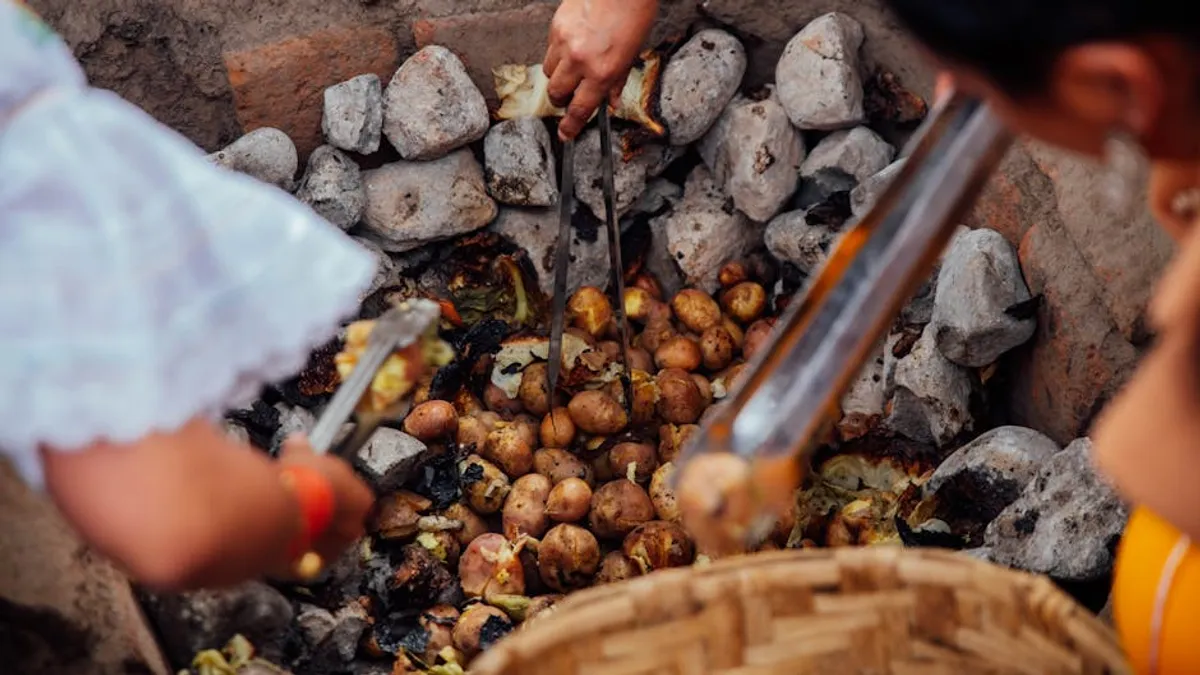
Ecuadorian cuisine offers a rich tapestry of flavors, deeply rooted in its diverse geography and cultural heritage. From the Pacific coast to the Andean highlands and the Amazon basin, each region contributes distinct ingredients and cooking methods, creating a culinary landscape that is both varied and deeply traditional. Understanding these regional differences is key to appreciating the breadth of Ecuadorian meals and snacks, which range from hearty stews and roasted meats to delicate corn-based pastries and refreshing seafood preparations.
Regional Culinary Foundations
Ecuador's culinary identity is largely shaped by its three main geographical zones, each providing a unique pantry of ingredients and defining specific cooking styles. This regional variation means that a dish found on the coast might have a completely different interpretation in the sierra, or be entirely absent from the Amazonian table.
Coastal Delights
The Pacific coast of Ecuador is synonymous with seafood, plantains, and tropical fruits. Dishes here often feature coconut milk, peanuts, and a lighter touch with spices compared to other Latin American cuisines. The abundance of fresh fish and shellfish drives many of the region's most iconic preparations.
- Ceviche: Unlike its Peruvian counterpart, Ecuadorian ceviche is typically made with shrimp, fish, or black conch, marinated in lime juice, orange juice, tomato sauce, and cilantro, often served with popcorn or chifles (plantain chips).
- Encocado: A creamy, flavorful stew, most commonly made with fish or shrimp cooked in coconut milk, bell peppers, onions, and cilantro. It's a staple in the Esmeraldas province.
- Patacones: Thick, twice-fried green plantain slices, often served as a side dish with nearly any meal or as a snack.
Andean Highlands Staples
The Sierra region, with its cooler climate and fertile valleys, relies heavily on potatoes, corn, pork, beef, and indigenous grains like quinoa and amaranth. Hearty, warming dishes are prevalent, designed to sustain through the mountain chill.
Common ingredients: Potatoes (hundreds of varieties), corn (mote, choclo), cheese, pork, beef, root vegetables.
Preparation focus: Roasting, stewing, and frying are common techniques, often resulting in rich, savory profiles.
Amazonian Flavors
The Amazon region of Ecuador offers the most unique and often least-known culinary experiences, characterized by exotic fruits, river fish, and root vegetables like yuca (cassava). Ingredients are often sourced directly from the jungle, providing distinct flavors not found elsewhere.
Signature dishes: Maito (fish wrapped in bijao leaves and grilled), Chontacuro (grilled palm worms, a local delicacy). These dishes highlight the region's reliance on its natural environment.Essential Traditional Meals
Beyond regional specialties, certain dishes hold a place of honor across much of Ecuador, representing the country's culinary soul. These are often complex preparations, rich in history and flavor.
Fanesca: A deeply symbolic and labor-intensive soup prepared exclusively during Holy Week. It contains 12 different grains and legumes (representing the 12 apostles), salted cod, milk, and various vegetables, garnished with hard-boiled eggs, fried plantains, and cheese. Its preparation is a communal event, reflecting generations of tradition.
Guatita: A robust tripe stew, particularly popular on the coast, though enjoyed nationwide. It's cooked in a rich peanut sauce with potatoes, often served with rice and avocado. Its distinctive flavor comes from slow cooking and a blend of aromatic spices.
Seco de Chivo: A flavorful goat stew, slow-cooked until tender in a sauce typically made with naranjilla (lulo) juice, beer, onions, peppers, and various spices. It is commonly accompanied by yellow rice and fried plantains, offering a tangy and savory profile.
Locro de Papa: A creamy, hearty potato soup from the highlands, often enriched with cheese and avocado. It's a staple comfort food, known for its simple yet satisfying ingredients and smooth texture.
Hornado: A whole roasted pig, marinated for hours and slow-cooked until the skin is crispy and the meat is tender. It's a celebratory dish, often served with llapingachos (potato patties), mote (hominy), and a tangy curtido (pickled onion salad).
Pro Tip: When exploring Ecuadorian street food, prioritize vendors with high customer turnover and visible hygiene practices. Look for food prepared fresh before your eyes, especially for fried items or those involving raw ingredients like ceviche. This reduces risks and ensures the freshest flavors.
Popular Ecuadorian Snacks and Street Food
Ecuadorian street food and snacks offer a quick, delicious way to experience local flavors, often at a low cost. They range from savory fried delights to sweet pastries and refreshing beverages.
Empanadas: These come in many forms. Empanadas de Viento are large, airy, fried pastries filled with cheese and often dusted with sugar. Empanadas de Morocho are made from ground corn (morocho) and filled with rice, peas, and meat. Empanadas de Verde use green plantain dough with various fillings.
Humitas and Quimbolitos: Both are steamed corn cakes. Humitas are savory, made from fresh ground corn, cheese, and sometimes onions, wrapped in corn husks. Quimbolitos are sweeter, made with corn flour, butter, eggs, and often raisins, wrapped in achira leaves.
Bolones de Verde: Fried green plantain balls, typically mashed with cheese (bolón de queso) or chicharrón (fried pork belly, bolón de chicharrón). They are a popular breakfast item, often served with a fried egg.
Mote Pillo and Mote Sucio: Hominy-based dishes from the highlands. Mote Pillo is hominy sautéed with scrambled eggs, milk, and cilantro. Mote Sucio is hominy mixed with the crispy bits and drippings from roasted pork, giving it a "dirty" appearance but rich flavor.
Espumillas: A light, airy meringue-like dessert, often sold by street vendors. It's made from egg whites, sugar, and fruit pulp (guava, mora), piped into a cone and typically topped with arrope (fruit syrup).
Navigating Ecuadorian Flavors: Practical Tips
Engaging with Ecuadorian cuisine means embracing its diversity. Don't hesitate to ask about ingredients, especially if you have dietary restrictions. Most dishes are served with aji, a local hot sauce, which allows you to adjust the spice level to your preference. Remember that meal times can vary; lunch is typically the largest meal of the day, with dinner often being lighter.
Exploring the Culinary Landscape
Ecuadorian food offers a journey through a country's heart, reflecting its geography, history, and people. From the zesty ceviches of the coast to the comforting potato soups of the Andes and the exotic preparations of the Amazon, each dish tells a story. Exploring these traditional meals and snacks provides not just sustenance, but a deeper connection to the vibrant culture of Ecuador. Embrace the opportunity to taste the authentic flavors that define this unique South American nation.
Frequently Asked Questions
What are the most common ingredients in Ecuadorian cuisine?
Common ingredients include potatoes, corn, plantains (green and ripe), rice, various meats (pork, beef, chicken, goat), seafood, and indigenous fruits like naranjilla and passion fruit. Aji (hot sauce) and cilantro are also ubiquitous.
Is Ecuadorian food generally spicy?
Ecuadorian food is not inherently spicy like some other Latin American cuisines. Most dishes are mild, but aji (a chili pepper-based sauce) is almost always served on the side, allowing individuals to add spice to their preference.
What is the main difference between coastal and sierra Ecuadorian food?
Coastal cuisine heavily features seafood, plantains, and tropical fruits, often with coconut milk and peanut-based sauces. Sierra cuisine, conversely, relies on potatoes, corn, pork, and beef, with heartier stews and roasted dishes being more common.
Are there many vegetarian options in Ecuadorian cuisine?
While many traditional main dishes contain meat, vegetarian options can be found, especially in the form of side dishes like llapingachos, mote pillo, patacones, and various potato or corn-based soups like Locro de Papa (ensure no meat broth). Many markets offer fresh fruits and vegetables.