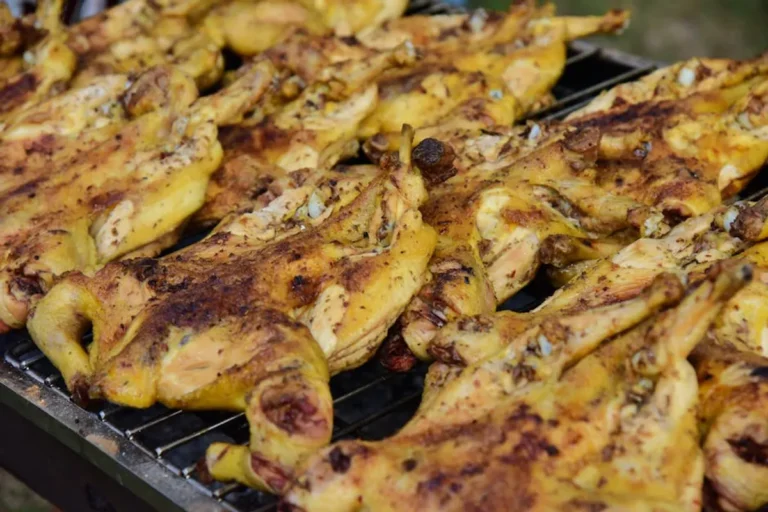
Weeknights often present a conflict: the desire for a satisfying, home-cooked meal clashes with limited time and energy. The solution lies in identifying and mastering easy comfort food recipes that deliver flavor and warmth without demanding hours in the kitchen. This approach prioritizes efficiency in preparation, minimal cleanup, and the use of accessible ingredients, ensuring that a comforting dinner is a practical reality rather than an aspirational weekend project. Understanding the core components of these dishes allows for consistent success, transforming the weeknight meal from a chore into a reliable source of culinary comfort.
Defining Weeknight Comfort: Speed, Simplicity, Satisfaction
Effective weeknight comfort food recipes are characterized by a specific set of attributes that address the constraints of a busy schedule. They are not merely "quick" meals, but rather dishes designed for maximum flavor return on minimal time investment. This involves strategic ingredient choices, streamlined cooking methods, and a focus on familiar, appealing flavor profiles.
- Limited Active Cooking Time: Recipes requiring 30 minutes or less of hands-on work are ideal. This allows for prep and cooking to fit into the narrow window between arriving home and dinner time.
- Minimal Ingredient Lists: Prioritizing recipes with 5-10 core ingredients reduces shopping complexity and ensures pantry staples can be utilized effectively.
- One-Pot or One-Pan Preparation: Reducing the number of cooking vessels directly translates to less post-dinner cleanup, a significant factor in weeknight appeal.
- Accessible Ingredients: Relying on readily available produce, proteins, and pantry items prevents special shopping trips and keeps costs predictable.
- High Satisfaction Factor: The "comfort" aspect means these dishes are inherently satisfying, often hearty, and evoke a sense of warmth and familiarity. Think creamy textures, rich sauces, or robust flavors.
Strategic Approaches to Easy Comfort Food
Several cooking methodologies lend themselves particularly well to creating comforting meals with minimal fuss during the week.
Sheet Pan Dinners for Streamlined Efficiency
Sheet pan dinners involve cooking all components—typically a protein and various vegetables—on a single baking sheet. This method is highly efficient because it requires minimal active attention once assembled and placed in the oven. The high, even heat of the oven caramelizes vegetables and crisps proteins, developing deep flavors without constant stirring or multiple pots. Cleanup is simplified to just one pan, often lined with parchment paper for even easier washing.
Best for: Roasted chicken and root vegetables, sausage and peppers, salmon with asparagus and cherry tomatoes.
One-Pot Pasta Dishes for Quick Assembly
Traditional pasta dishes often involve boiling pasta in one pot and preparing sauce in another. One-pot pasta recipes consolidate these steps, cooking the pasta directly in the sauce with a measured amount of liquid. This not only saves a pot but also allows the pasta to absorb flavors from the sauce as it cooks, resulting in a more integrated and flavorful final dish. The starch released from the pasta naturally thickens the sauce, eliminating the need for additional thickeners.
Best for: Creamy tomato pasta, lemon garlic pasta with spinach, chicken and broccoli pasta.
Slow Cooker and Instant Pot Meals for Hands-Off Preparation
For those with even less active time during the week, slow cooker and Instant Pot recipes offer significant advantages. These appliances allow for ingredients to be assembled in the morning or in advance, then cooked with minimal supervision. The slow cooker excels at tenderizing tougher cuts of meat and developing rich, deep flavors over several hours. The Instant Pot achieves similar results in a fraction of the time using pressure cooking. Both methods are ideal for dishes that benefit from long, moist cooking, such as stews, chilis, and pulled meats.
Best for: Beef stew, chicken and dumplings, pulled pork, creamy chicken and wild rice soup.
Batch Cooking Foundations for Future Meals
While not a recipe type itself, batch cooking is a strategy that amplifies the "easy" aspect of comfort food. Preparing foundational components in larger quantities on a less busy day (like a Sunday) can drastically reduce weeknight cooking time. This might involve cooking a large batch of grains (rice, quinoa), roasting a tray of mixed vegetables, or preparing a versatile protein like shredded chicken or ground beef. These pre-cooked elements can then be quickly assembled into different comfort meals throughout the week.
Best for: Grain bowls, quick stir-fries, tacos, loaded baked potatoes.
Pro Tip: Invest 15-20 minutes on a Sunday evening to chop vegetables, portion proteins, or pre-measure spices for 2-3 weeknight meals. This "mise en place" strategy significantly reduces active cooking time during busy evenings, turning a 30-minute recipe into a 10-minute assembly job. Pre-chopped aromatics like onions and garlic can be frozen for even quicker access.
Optimizing Ingredients for Weeknight Comfort
The selection and management of ingredients play a crucial role in the ease and success of weeknight comfort cooking.
Pantry Staples and Freezer Heroes
A well-stocked pantry and freezer are foundational. Keeping items like canned tomatoes, dried pasta, rice, various beans, broths, and a range of spices ensures that a meal can be assembled even when fresh ingredients are scarce. The freezer is invaluable for storing proteins (chicken breasts, ground meat, fish fillets), frozen vegetables (broccoli, peas, corn, spinach), and even pre-made sauces or batch-cooked components. These items minimize the need for frequent grocery runs and provide flexibility.
Smart Produce Choices
Focus on produce that is versatile and has a longer shelf life. Root vegetables (carrots, potatoes, sweet potatoes), hardy greens (kale, cabbage), and alliums (onions, garlic) are excellent choices. Pre-chopped vegetables from the grocery store can be a time-saver, though often at a higher cost. Prioritize fresh ingredients for flavor impact where it matters most, such as fresh herbs for garnish or a squeeze of citrus for brightness.
Integrating Easy Comfort into Your Routine
Successfully incorporating easy comfort food into your weeknight routine requires a combination of planning and flexibility. Start by selecting one or two new recipes each week that align with the principles of speed and simplicity. Keep a running list of successful dishes that become go-to options. Don't be afraid to adapt recipes; if a dish calls for a specific vegetable you don't have, substitute it with something similar you do. The goal is to reduce decision fatigue and cooking stress, making home-cooked meals a consistent source of enjoyment rather than an added burden.
Frequently Asked Questions
Q: Can comfort food be healthy for weeknights?
A: Yes, absolutely. Many comfort foods can be adapted to be healthier by incorporating more vegetables, using lean proteins, reducing added fats, and controlling portion sizes. For example, a classic mac and cheese can include pureed butternut squash for added nutrients, or a chili can be loaded with beans and vegetables.
Q: What are the quickest comfort food options for a truly busy night?
A: For extremely busy nights, focus on dishes that cook in under 20 minutes active time. This includes one-pan pasta dishes, quick quesadillas or loaded toasts, simple egg-based meals like frittatas, or assembling a substantial salad with pre-cooked protein.
Q: How do I make these recipes more flavorful without adding much time?
A: Focus on aromatics (onions, garlic, ginger), quality spices, and umami-rich ingredients like tomato paste, soy sauce, or Parmesan cheese. A squeeze of fresh lemon juice or a splash of vinegar at the end can brighten flavors considerably without extra cooking. Using good quality broth instead of water also adds depth.
Q: Can I freeze these comfort food recipes for later?
A: Many comfort food recipes, especially stews, chilis, soups, and casseroles, freeze exceptionally well. Allow the dish to cool completely before portioning into freezer-safe containers. Thaw overnight in the refrigerator and reheat gently on the stovetop or in the microwave. Pasta dishes can sometimes become mushy, so consider freezing the sauce separately and cooking fresh pasta.