Navigating the world of home cooking appliances can feel overwhelming, particularly when seeking quick, satisfying snack solutions that don't involve deep-frying or lengthy preparation. The air fryer, however, offers a distinct advantage for beginners: it delivers crispy textures with significantly less oil and a streamlined process. This makes it an ideal tool for anyone looking to produce delicious, fuss-free snacks without extensive culinary experience or specialized equipment. The focus here is on leveraging the air fryer's core capabilities—rapid, circulating hot air—to transform simple ingredients into appealing bites, prioritizing ease of execution and consistent results over complex recipes.
Advantages of Air Frying for Novice Cooks
For those new to kitchen gadgets or seeking efficient snack methods, the air fryer presents several compelling benefits. Its design inherently simplifies cooking, reducing common points of friction for beginners.
Streamlined Operation and Speed
Air fryers are engineered for quick preheating and rapid cooking cycles. Unlike conventional ovens that can take 15-20 minutes to reach temperature, most air fryers are ready in 2-5 minutes. This speed is crucial for impromptu snacking, enabling users to prepare items like frozen appetizers or fresh vegetable sticks in under 15 minutes total. The intuitive controls, often limited to temperature and time settings, minimize guesswork, allowing beginners to achieve consistent results with minimal effort. This directness reduces the barrier to entry for daily use.
Health-Conscious Preparation
One of the primary draws of air frying is its ability to replicate the crispness of deep-fried foods using a fraction of the oil. This is achieved through high-speed air circulation that creates a convection effect, cooking food evenly and browning surfaces. For beginners, this translates to snacks that feel indulgent but align with healthier eating habits, as they absorb less fat. This method supports dietary goals without sacrificing the satisfying crunch often associated with less healthy options, making it a commercially valuable aspect for health-aware consumers.
Essential Air Fryer Snack Categories for Beginners
Starting with familiar, forgiving ingredients ensures early success and builds confidence. Certain food types are particularly well-suited to the air fryer's cooking mechanism.
Crispy Vegetable Options
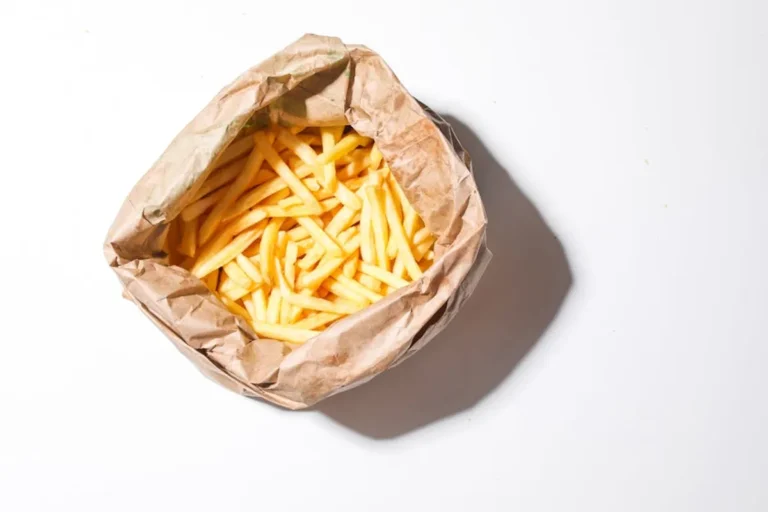
Vegetables, when air-fried, develop a desirable exterior crispness and tender interior. This transformation makes them more palatable, especially for those who might typically avoid them. For beginners, simple vegetable preparations require minimal seasoning and preparation. Think sliced potatoes for "fries," zucchini rounds, or broccoli florets. The high heat caramelizes natural sugars and reduces moisture, intensifying flavors without requiring complex marinades or deep-frying techniques.
Quick Protein Bites
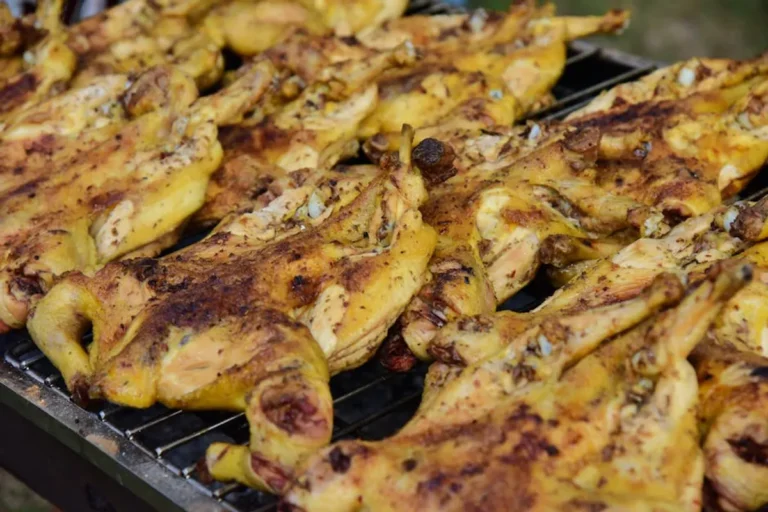
Proteins cook efficiently in an air fryer, making them excellent for satisfying, quick snacks. Chicken pieces, shrimp, or even firm tofu cubes can be seasoned and air-fried to a golden finish in minutes. The dry heat promotes browning and creates a pleasant texture, which is often difficult to achieve quickly in a pan without excess oil. This category is particularly useful for adding substantive, hunger-satisfying elements to a snack repertoire.
Simple Sweet Treats
The air fryer isn't limited to savory items; it can also produce delightful sweet snacks with minimal fuss. Apple slices, banana chunks, or even small pastry items can be air-fried to a warm, slightly caramelized state. This offers a quick alternative to baking, often with less cleanup and a shorter cooking time. For beginners, this opens up possibilities for simple desserts or afternoon pick-me-ups that are ready almost instantly.
Initial Setup: Key Operational Considerations
To ensure consistent success, beginners should familiarize themselves with a few fundamental air frying principles. These are less about complex techniques and more about basic operational awareness.
Temperature and Time Management
Most air fryer recipes operate within a temperature range of 350°F to 400°F (175°C to 200°C). Cooking times are typically shorter than conventional oven methods, often by 20-30%. For beginners, starting with the lower end of a recommended temperature range and checking doneness frequently (e.g., every 5-7 minutes) is a reliable strategy. Adjustments can be made in small increments, such as adding 2-3 minutes at a time, to prevent overcooking.
Judicious Oil Application
While air frying uses significantly less oil, a light coating is often beneficial for achieving optimal crispness and flavor, especially with fresh ingredients. A teaspoon or two of neutral oil (like avocado or grapeseed oil) tossed with ingredients before air frying is usually sufficient. The goal is to lightly coat, not drench, ensuring even distribution for browning without excess fat. This contrasts sharply with the oil volume required for traditional frying.
Effective Batch Sizing
Overcrowding the air fryer basket is a common beginner mistake that leads to uneven cooking and steaming instead of crisping. Food items need space for the hot air to circulate freely around them. For optimal results, arrange items in a single layer, ensuring there’s visible space between pieces. If preparing a larger quantity, cook in multiple batches. This ensures every piece gets direct exposure to the circulating air, producing the desired texture.
Pro Tip: Avoid using non-stick cooking sprays containing propellants like butane or propane directly in your air fryer basket. These can degrade the non-stick coating over time, causing food to stick and shortening the lifespan of the appliance. Instead, opt for a pump-style oil sprayer with your preferred cooking oil, or simply toss ingredients with a small amount of oil in a bowl before adding them to the air fryer.
Recipe Examples for Immediate Success
These simple ideas require minimal ingredients and preparation, focusing on the air fryer's core strengths for quick, satisfying results.
- Crispy Potato Wedges: Cut potatoes into wedges, toss with a tablespoon of oil, salt, pepper, and paprika. Air fry at 375°F (190°C) for 15-20 minutes, shaking the basket halfway, until golden and tender.
- Garlic Parmesan Broccoli: Toss broccoli florets with a teaspoon of oil, minced garlic, salt, and a sprinkle of Parmesan cheese. Air fry at 380°F (195°C) for 10-12 minutes, shaking once, until tender-crisp.
- Quick Chicken Nuggets (from scratch): Cut chicken breast into bite-sized pieces. Toss with a light coating of oil and seasoned breadcrumbs. Air fry at 375°F (190°C) for 10-14 minutes, flipping halfway, until cooked through and crispy.
- Cinnamon Apple Slices: Toss thin apple slices with a pinch of cinnamon and a tiny amount of sugar (optional). Air fry at 350°F (175°C) for 8-10 minutes, shaking occasionally, until softened and slightly caramelized.
Integrating Air Frying into Your Snack Routine
Mastering basic air fryer snacks for beginners is less about complex culinary skills and more about adopting efficient techniques. The appliance excels at delivering quick, crispy results with minimal oil, making it an invaluable tool for everyday snacking. By focusing on simple ingredients, understanding basic temperature and time guidelines, and managing batch sizes, new users can consistently produce satisfying, health-conscious options. This approach not only expands your snack repertoire but also streamlines kitchen operations, providing a practical solution for immediate hunger without extensive preparation or cleanup.
Frequently Asked Questions
Do I need to preheat my air fryer?
While not always strictly necessary, preheating for 2-5 minutes is recommended for most recipes. It ensures the air fryer reaches the target temperature before food is added, promoting more even cooking and crispier results, especially for items like fries or chicken.
Can I use aluminum foil or parchment paper in an air fryer?
Yes, both can be used, but with caution. Ensure they are weighted down by food to prevent them from flying up and hitting the heating element, which can be a fire hazard. Also, avoid covering too much of the basket, as this restricts airflow crucial for air frying.
How do I clean my air fryer after making snacks?
Always unplug the air fryer and allow it to cool completely. The basket and drawer are typically dishwasher-safe or can be hand-washed with warm, soapy water and a non-abrasive sponge. For the main unit, wipe it down with a damp cloth; never immerse it in water.