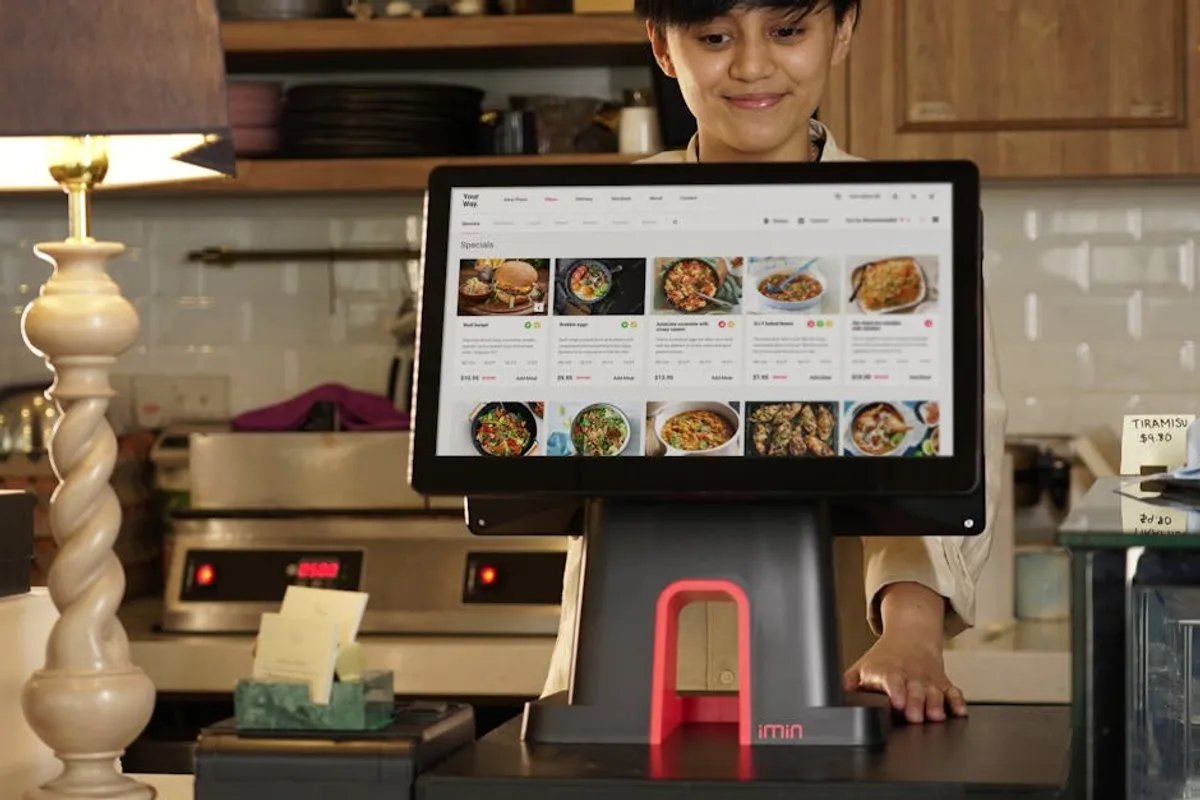
Developing a dessert menu for cafes and bakeries requires a strategic approach, balancing customer demand, operational efficiency, and profit margins. The selection process extends beyond simply offering popular sweets; it involves understanding ingredient costs, labor intensity, shelf life, and the potential for upselling. A well-curated dessert menu enhances customer experience, drives repeat business, and can significantly boost average transaction value. This analysis provides a framework for evaluating various dessert categories, focusing on their commercial viability and operational fit within diverse cafe and bakery environments.
Strategic Considerations for Dessert Menu Curation
Before committing to specific dessert items, evaluate several key factors that influence menu success and operational flow. Ingredient sourcing and seasonality directly impact cost and freshness; local, seasonal produce can reduce expenses and enhance flavor profiles. Labor requirements, from prep time to plating, dictate staffing needs and overall operational efficiency. Consider the skill level required for consistent execution. Storage and display capabilities are critical for maintaining product quality and visual appeal, especially for items with limited shelf life or specific temperature needs. Finally, target audience preferences should guide choices, whether catering to health-conscious patrons, those seeking indulgent treats, or specific dietary needs like vegan or gluten-free options. A balanced menu often includes a mix of high-margin, low-labor items alongside signature, more complex offerings.
1. Artisanal Croissants and Viennoiserie
This category encompasses laminated dough products like classic butter croissants, pain au chocolat, almond croissants, and seasonal fruit danishes. These items are often seen as a hallmark of quality and craftsmanship in a bakery setting, signaling a commitment to traditional techniques and fresh ingredients. Their visual appeal and distinct texture contribute to a premium perception, allowing for higher price points.
Best for: Cafes and bakeries aiming for a European-inspired, upscale image, particularly those with strong morning and brunch traffic. Ideal for establishments with skilled pastry chefs or dedicated lamination equipment.
Pros:
- High perceived value and premium pricing potential.
- Strong visual appeal, driving impulse purchases and social media engagement.
- Versatile for various fillings and seasonal adaptations.
- Can be prepped in stages, aiding production flow for large batches.
Cons:
- Labor-intensive production process requiring specialized skills and equipment.
- Long proofing times necessitate careful production planning.
- Limited shelf life; best consumed fresh, leading to potential waste if not managed.
- Higher ingredient cost for quality butter and flour.
Verdict: A strong anchor for a sophisticated dessert menu, offering significant profit margins when executed flawlessly, but demanding substantial investment in labor and time.
2. Individualized Mini Cheesecakes and Tarts
Single-serving desserts such as mini New York cheesecakes, fruit tarts, lemon meringue tarts, or chocolate ganache tarts provide portion control and a refined presentation. They cater to individual preferences and reduce waste compared to whole cakes. The smaller format allows for diverse flavor offerings without committing to large batches of a single dessert.
Best for: Cafes with a strong lunch or afternoon tea crowd, catering to individual diners or small groups. Also suitable for grab-and-go display cases where visual variety is key.
Pros:
- Excellent portion control, minimizing waste and ensuring consistent serving sizes.
- High visual appeal, encouraging impulse buys and catering to diverse tastes.
- Can be prepared in advance and often freeze well, aiding inventory management.
- Allows for premium pricing per unit due to perceived elegance and individual serving.
Cons:
- Requires precise baking and decorating skills for consistent quality.
- Can be labor-intensive for assembly and finishing.
- Storage space can be a consideration for multiple varieties.
- Crusts and fillings may require specific ingredient sourcing.
Verdict: A versatile and profitable menu addition that enhances presentation and caters to individual preferences, provided labor efficiency and quality control are maintained.
3. Gourmet Cookies and Brownie Bars
Elevating classic comfort desserts, this category includes oversized, specialty cookies (e.g., triple chocolate chunk, sea salt caramel, oatmeal raisin with unique spices) and rich, dense brownie or blondie bars with inclusions like nuts, pretzels, or ganache swirls. These items capitalize on nostalgia while offering a premium experience.
Best for: High-volume cafes and bakeries, especially those with a younger demographic or strong takeout business. Ideal for quick impulse purchases at the counter.
Pros:
- Broad appeal and high customer satisfaction.
- Relatively low labor cost per unit compared to more complex pastries.
- Good shelf life, especially for brownies, reducing waste.
- High-profit margins due to inexpensive base ingredients.
Cons:
- Market saturation requires unique flavor combinations or presentation to stand out.
- Can be perceived as less "gourmet" unless ingredients and execution are exceptional.
- Requires consistent baking to avoid dry or overly soft textures.
- Packaging for takeout needs to be robust.
Verdict: A reliable, high-volume profit driver that can anchor a dessert menu, especially with innovative flavor profiles and a focus on premium ingredients to differentiate from mass-market options.
4. Custom Dessert Bowls (Yogurt, Acai, Chia)
This health-conscious category features customizable bowls built on bases like Greek yogurt, acai puree, or chia pudding, topped with fresh fruits, granola, nuts, seeds, and drizzles. They offer a lighter, often breakfast- or brunch-oriented dessert option that appeals to wellness-focused customers.
Best for: Cafes with a strong emphasis on fresh, healthy options, or those serving breakfast/brunch throughout the day. Appeals to a demographic seeking lighter, customizable treats.
Pros:
- High customization potential, allowing customers to build their ideal dessert.
- Perceived as a healthier option, attracting a wider demographic.
- Relatively low labor for assembly, relying on prepped ingredients.
- High-profit margins on toppings, which can be individually priced.
Cons:
- Requires extensive fresh fruit and topping inventory, leading to potential spoilage.
- Preparation of fresh components (chopping, blending) can be time-consuming.
- Can be expensive for customers if too many toppings are added.
- Presentation relies heavily on fresh, vibrant ingredients.
Verdict: A strong option for capturing the health-conscious market and offering customizable experiences, but demands diligent inventory management for fresh produce.
5. Global-Inspired Sweet Treats
Introducing desserts from diverse culinary traditions, such as Japanese mochi, Spanish churros with dipping sauces, Middle Eastern baklava, or French macarons. These items offer novelty and an opportunity to stand out from competitors, attracting adventurous palates and providing an international flair.
Best for: Cafes and bakeries located in diverse urban areas or those aiming to create a unique culinary identity. Appeals to customers seeking novel and authentic experiences.
Pros:
- High novelty factor, attracting attention and encouraging trial.
- Can command premium pricing due to perceived authenticity and specialty.
- Offers a distinct competitive advantage and niche market appeal.
- Visually appealing and often highly Instagrammable.
Cons:
- Requires specialized culinary skills and knowledge of specific cultural recipes.
- Sourcing authentic ingredients can be challenging and costly.
- May have a narrower appeal than traditional Western desserts.
- Equipment requirements can be specific (e.g., churro maker, deep fryer).
Verdict: A high-reward, high-risk strategy that can differentiate a menu significantly, provided the expertise and sourcing infrastructure are in place to ensure authenticity and quality.
6. Seasonal Fruit Crisps and Crumbles
Warm, comforting desserts featuring baked fruit topped with an oat or streusel crumble, often served with ice cream or whipped cream. These capitalize on seasonal produce, ensuring freshness and allowing for regular menu rotation. Examples include apple crisp, berry crumble, or peach cobbler.
Best for: Cafes and bakeries emphasizing fresh, local, and seasonal ingredients. Appeals to customers seeking comforting, rustic desserts, particularly in cooler months.
Pros:
- Capitalizes on seasonal ingredients, ensuring freshness and supporting local suppliers.
- Relatively simple to prepare in large batches, reducing labor per serving.
- High-profit margin, especially with inexpensive seasonal fruits.
- Comforting and nostalgic appeal, especially when served warm.
Cons:
- Seasonality limits year-round availability of specific fruit combinations.
- Presentation can be less refined than plated desserts.
- Requires oven space for baking throughout service.
- Best served warm, requiring immediate service or reheating.
Verdict: An excellent, high-margin option for seasonal menu rotation, offering comforting appeal and leveraging fresh produce effectively, though presentation and serving logistics need consideration.
7. Dedicated Vegan and Gluten-Free Options
A specific range of desserts formulated without animal products or gluten, such as vegan chocolate avocado mousse, gluten-free almond flour cakes, or dairy-free coconut cream pies. These cater to growing dietary restrictions and preferences, broadening the customer base.
Best for: Cafes and bakeries in areas with high demand for dietary-specific options, or those aiming to be inclusive and accessible to a wider customer base.
Pros:
- Expands customer base significantly, capturing a loyal niche market.
- Can command premium pricing due to specialized ingredients and preparation.
- Demonstrates inclusivity and attention to diverse customer needs.
- Often perceived as healthier, even if calorie counts are similar.
Cons:
- Requires separate preparation areas or strict cross-contamination protocols.
- Specialized ingredients can be more expensive and have shorter shelf lives.
- Achieving comparable taste and texture to traditional desserts can be challenging.
- Staff training is essential to accurately communicate ingredients and allergens.
Verdict: Essential for modern menus to ensure inclusivity and tap into a growing market segment, but requires meticulous operational planning and ingredient management to maintain quality and safety.
8. Dessert-Integrated Hot and Cold Beverages
Drinks that double as desserts or incorporate dessert elements, such as affogato (espresso over ice cream), loaded hot chocolates with marshmallows and whipped cream, specialty dessert lattes (e.g., tiramisu latte, s'mores latte), or elaborate milkshakes. These offer a unique sensory experience.
Best for: Cafes with a strong beverage program and limited kitchen space for extensive dessert prep. Appeals to customers looking for a combined drink and treat.
Pros:
- High-profit margins on specialty beverages.
- Leverages existing coffee/beverage equipment and staff skills.
- Offers a unique selling proposition and can drive impulse purchases.
- Highly customizable and visually appealing, especially for social media.
Cons:
- Requires specific training for consistent execution and presentation.
- Can be perceived as less substantial than a traditional dessert.
- Requires inventory of specialty syrups, toppings, and ice cream.
- Preparation can slow down beverage service during peak times.
Verdict: An effective way to boost average check size and differentiate a beverage menu, particularly for cafes where drinks are a primary focus, provided operational flow is managed.
9. Deconstructed Classic Desserts
Taking familiar desserts like tiramisu, lemon meringue pie, or apple pie and presenting their components separately on a plate. This allows for creative plating, textural contrasts, and a modern, gourmet aesthetic. For example, a deconstructed tiramisu might feature coffee-soaked ladyfingers, mascarpone cream, and cocoa powder arranged individually.
Best for: Upscale cafes and bakeries aiming for a fine-dining dessert experience without the full complexity of molecular gastronomy. Appeals to diners seeking novelty and artistic presentation.
Pros:
- High perceived value and allows for premium pricing.
- Offers a unique, modern twist on familiar flavors.
- Provides opportunities for creative plating and textural contrasts.
- Components can often be prepped in advance, aiding service flow.
Cons:
- Requires skilled plating and attention to detail during service.
- Can be labor-intensive for component preparation and assembly.
- May not appeal to customers seeking traditional, comforting presentations.
- Portion control can be challenging without precise measurements.
Verdict: A strong differentiator for establishments seeking to elevate their dessert offerings with an artistic touch, but demands a high level of culinary execution and plating consistency.
10. Dessert Flights and Tasting Menus
Offering small, curated portions of several different desserts on a single plate. This allows customers to sample multiple items, ideal for sharing or for those who can't decide on just one. A flight might include a mini crème brûlée, a small scoop of sorbet, and a petit four.
Best for: Cafes with a diverse dessert menu and a clientele that enjoys sharing or exploring multiple flavors. Suitable for evening service or special occasions.
Pros:
- Encourages experimentation and increases overall dessert sales.
- High perceived value for customers and strong upselling potential.
- Allows for efficient use of existing dessert components.
- Ideal for sharing, fostering a social dining experience.
Cons:
- Requires careful planning to ensure complementary flavors and textures.
- Can be labor-intensive during plating, especially for multiple small items.
- Requires specific serving ware (e.g., flight boards, small dishes).
- Pricing needs to be carefully calibrated to ensure profitability.
Verdict: An effective strategy for showcasing menu diversity and increasing check averages, but requires meticulous plating and careful selection of complementary items for optimal customer satisfaction.
11. Grab-and-Go Muffins, Scones, and Quick Breads
Classic baked goods designed for quick consumption, often sold from a display case. This includes items like blueberry muffins, cheese scones, banana bread, or zucchini bread. These are staple items that cater to convenience and offer a comforting, familiar option.
Best for: High-traffic cafes, commuter hubs, or establishments with a strong morning rush. Appeals to customers seeking a quick, familiar, and satisfying treat.
Pros:
- High volume sales potential due to broad appeal and convenience.
- Relatively low labor cost per unit, especially for batch baking.
- Good shelf life for several days, reducing waste.
- Excellent profit margins on basic ingredients.
Cons:
- Can be perceived as less "specialty" unless ingredients are premium.
- Market saturation requires unique flavor combinations to stand out.
- Requires consistent quality and freshness to maintain reputation.
- Display space needs to be prominent and attractive.
Verdict: A foundational, high-volume profit center for any cafe or bakery, offering reliable sales with minimal operational complexity, provided quality and freshness are consistently maintained.
12. Savory-Sweet Hybrid Pastries
Desserts that incorporate savory elements to create a balanced, complex flavor profile. Examples include maple-bacon donuts, rosemary-pear tarts, cheese and fruit pastries (e.g., feta and honey), or olive oil cakes with sea salt. These cater to adventurous palates and offer a sophisticated twist.
Best for: Avant-garde cafes and bakeries looking to push culinary boundaries and attract a discerning, experimental clientele. Appeals to those seeking unique flavor experiences.
Pros:
- Offers significant differentiation from competitors.
- Attracts a niche market segment seeking novel flavor combinations.
- Can command premium pricing due to unique concept and ingredients.
- Generates buzz and social media interest.
Cons:
- Niche appeal may limit overall sales volume.
- Requires careful balance of flavors to avoid being off-putting.
- Ingredient sourcing for specific savory components can be specialized.
- May require more explanation to customers unfamiliar with the concept.
Verdict: A bold and innovative menu addition that can create a strong brand identity, but requires a confident culinary vision and a willingness to cater to a more adventurous, potentially smaller, customer base.
Assessing Menu Performance and Adaptability
Once a dessert menu is implemented, continuous evaluation is essential for sustained success. Track sales data for each item to identify bestsellers and underperformers. Monitor ingredient costs and labor hours per item to calculate actual profit margins, not just revenue. Gather customer feedback through direct interactions, comment cards, and online reviews to understand preferences and areas for improvement. Be prepared to adapt the menu based on these insights, rotating seasonal items, adjusting portion sizes, or discontinuing low-performing desserts. A dynamic menu that responds to market trends and operational realities ensures long-term profitability and customer engagement.
Frequently Asked Questions About Dessert Menu Ideas
What is a good profit margin for dessert items in a cafe or bakery?
A healthy profit margin for desserts typically ranges from 60% to 80% or even higher. This is achieved through careful ingredient costing, efficient labor, and appropriate pricing. Items with lower food costs and quicker preparation times generally yield higher margins.
How often should a cafe or bakery update its dessert menu?
Menu updates should ideally occur seasonally (every 3-4 months) to leverage fresh ingredients and keep offerings exciting. However, core bestsellers can remain year-round. Introducing weekly or monthly specials also helps test new ideas without a full menu overhaul.
How can I reduce waste for dessert items with short shelf lives?
Strategies include baking in smaller, more frequent batches, offering daily specials to clear excess inventory, repurposing ingredients (e.g., using day-old croissants for bread pudding), and implementing robust inventory management systems. Forecasting demand accurately is crucial.
What role does presentation play in dessert sales?
Presentation is critical for desserts. Visually appealing items, whether in a display case or plated, significantly increase impulse purchases and perceived value. Attention to color, texture, height, and garnish can elevate even simple desserts, making them more attractive and shareable on social media.
Should I offer both traditional and modern dessert options?
A balanced menu often includes a mix. Traditional options provide comfort and familiarity, appealing to a broad audience, while modern or unique offerings can attract adventurous customers and differentiate your establishment. This blend caters to diverse preferences and maximizes appeal.