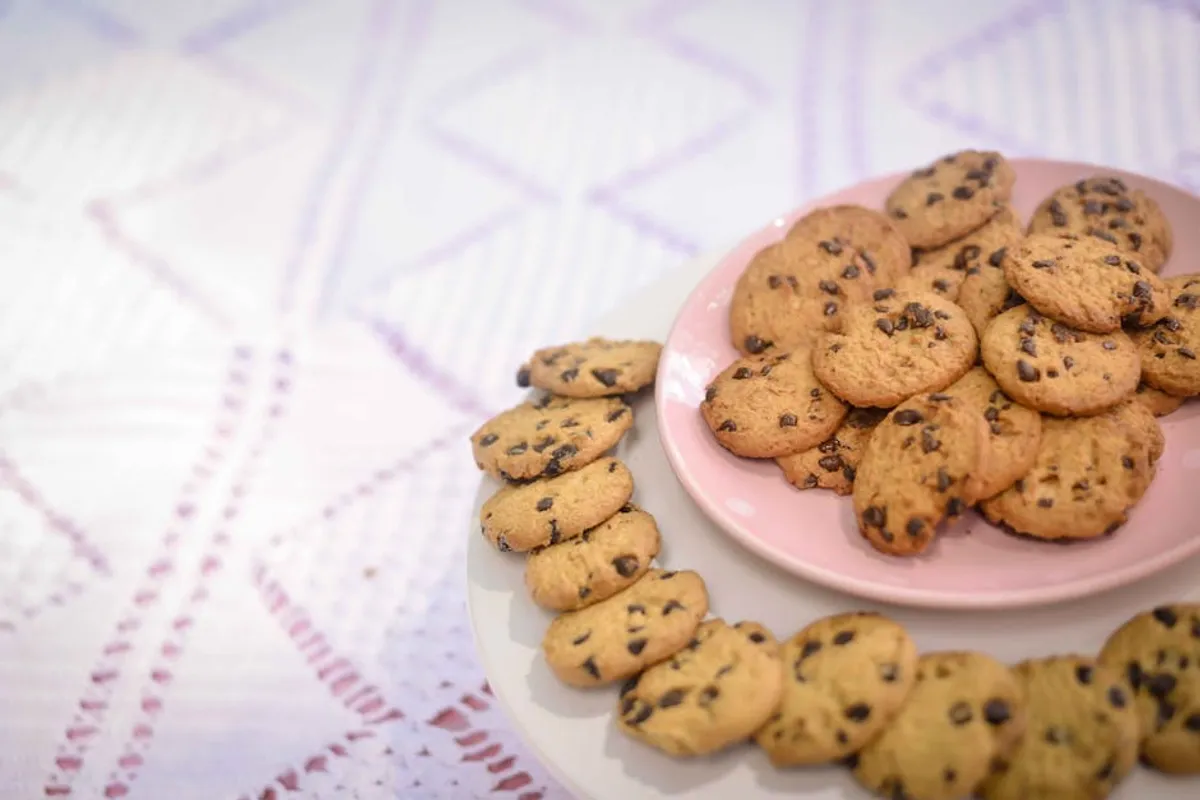
For dessert brands operating on a rotating menu model, like Crumbl Cookies, the menu is more than a list of offerings; it's a critical marketing tool and a direct touchpoint with the customer. Effective menu styling translates transient flavors into compelling visual and descriptive experiences, guiding dessert lovers through choices and encouraging repeat visits. The goal isn't merely to inform, but to entice, differentiate, and ultimately drive conversions in a highly visual and impulse-driven market. This requires a strategic approach that considers both the aesthetic appeal and the practical utility of every menu element, from photography to flavor descriptions and display formats.
Understanding Crumbl's Rotating Menu Model
The core challenge and opportunity for a brand like Crumbl Cookies lies in its weekly rotating menu. This model creates anticipation and urgency but also demands a menu system that can adapt quickly and communicate novelty effectively. Customers expect fresh experiences, which means menu design must consistently highlight the "new" while maintaining brand consistency. Static, unchanging menus are counterproductive; dynamic, adaptable designs are essential for showcasing limited-time offerings and seasonal themes. This is especially true when considering the best seasonal menu ideas for cafes and small restaurants, which often face similar challenges with limited-time offerings.
This approach necessitates a robust content pipeline for menu updates, including high-quality photography and succinct, evocative descriptions for each new cookie. The design must accommodate rapid changes without sacrificing clarity or brand identity. Furthermore, the menu serves as a primary vehicle for managing customer expectations regarding availability and encouraging prompt purchasing decisions before flavors rotate out.
Visual Strategies for Highlighting Weekly Flavors
Visual presentation is paramount for dessert items, especially those with unique and frequently changing flavor profiles. A menu for Crumbl Cookies needs to leverage strong visual cues to make each weekly offering stand out. Leveraging strong visual cues can also be part of effective bakery promotion ideas, especially for special occasions like National Dessert Day.
- High-Resolution Photography: Each cookie flavor requires professional, consistent photography that emphasizes texture, toppings, and overall appeal. Images should be brightly lit, close-up, and showcase the cookie's best angle, often with a bite taken out to hint at the interior.
- Consistent Branding Elements: While flavors change, the underlying brand identity must remain constant. This includes consistent use of brand colors, fonts, and logos across all menu iterations, ensuring immediate recognition.
- Dynamic Layouts: Instead of a fixed grid, consider layouts that allow featured flavors to take precedence. This might involve larger image blocks, distinct border treatments, or "new" badges that draw the eye to the latest additions.
- Color Psychology: Integrate color palettes that complement the cookie flavors. For example, warm, inviting tones for chocolate-based cookies or vibrant, fresh colors for fruit-inspired options can enhance perception.
Enhancing the Customer Journey with Menu Design
A well-designed menu does more than list products; it guides the customer through a decision-making process, making it enjoyable and efficient. For dessert lovers, this often means appealing to both visual and emotional triggers.
Clarity in Flavor Descriptions
Beyond imagery, the textual description is crucial. For Crumbl's diverse and often inventive flavors, descriptions need to be both informative and evocative. They should use sensory language that describes taste, texture, and aroma, without being overly verbose.
Pro Tip: When crafting flavor descriptions for a rotating menu, prioritize conciseness and sensory appeal. Focus on 2-3 key ingredients or flavor notes that define the cookie. For instance, instead of "Chocolate chip cookie with caramel," consider "Warm, gooey chocolate chip cookie studded with sea salt caramel bits." This helps customers quickly grasp the essence and imagine the taste.
Consider including a small icon or tag for common allergens or dietary information (e.g., "contains nuts," "gluten-friendly option"), making it easier for customers with specific needs to navigate the menu without extensive inquiry.
Seasonal and Thematic Integration
The rotating menu naturally lends itself to seasonal and holiday themes. Menu styling should reflect these themes through subtle design elements, such as background textures, small graphic accents, or color shifts. For example, autumn menus might incorporate leaf motifs and warmer hues, while winter themes could feature snowflakes or festive colors. This reinforces the limited-time nature of the offerings and creates a sense of occasion around the purchases.
Leveraging Digital and Physical Menu Formats
Crumbl Cookies typically operates with both in-store physical menus and prominent digital presence. Optimizing both formats ensures a consistent and effective customer experience.
Interactive Digital Menus
Digital menus, whether on a website, mobile app, or in-store digital display, offer flexibility and dynamic capabilities. These should be designed for easy navigation and quick updates. Features to consider include:
- High-Quality Image Galleries: Allow customers to click on a cookie for a larger image and detailed description.
- "New" and "Limited Time" Badges: Clearly mark the current week's offerings to draw immediate attention.
- Nutritional Information Toggle: Provide an option to view calorie counts or ingredient lists without cluttering the main menu view.
- Pre-Order Integration: Seamlessly link menu items to an ordering system for convenience.
- Customer Reviews/Ratings (Optional): For popular recurring flavors, displaying a rating could influence choice.
Digital platforms also allow for A/B testing of different layouts, photography styles, and descriptive language to identify what resonates most with the target audience. This data-driven approach can continuously refine menu effectiveness.
In-Store Display Tactics
Physical menus and in-store displays serve as the final point of decision for many customers. These need to be legible, visually appealing, and strategically placed. Large, clear display boards with vibrant images of the current week's cookies are essential. Consider using backlit displays to make the cookies appear more enticing. Physical menus at the counter should be clean, well-organized, and match the digital experience in terms of branding and information presented.
Beyond printed menus, the actual display of cookies in a glass case is part of the "menu style." Ensuring these are impeccably presented, with consistent spacing and labeling, reinforces the brand's attention to detail and product quality.
Optimizing Menu Presentation for Repeat Engagement
For a brand like Crumbl, fostering repeat engagement is key. The menu plays a role in this by creating anticipation. Consider a small section on the menu (especially digital) that hints at upcoming flavors or features a "flavor calendar" for the month. This builds excitement and encourages customers to plan future visits. Additionally, incorporating customer feedback mechanisms directly related to menu items can make customers feel more involved and valued, further cementing their loyalty.
Refining Your Dessert Menu Strategy
Effective menu styling for a dynamic dessert brand like Crumbl Cookies is an ongoing process of refinement. It requires a keen eye for visual appeal, a precise approach to descriptive language, and an understanding of how customers interact with information both online and in-store. By consistently prioritizing clear communication, compelling visuals, and strategic design, brands can transform their menu from a mere list into a powerful sales and brand-building asset, ensuring dessert lovers remain engaged and eager for the next sweet offering.
Frequently Asked Questions About Crumbl Cookie Menu Styling
How often does Crumbl Cookies change its menu?
Crumbl Cookies typically rotates its menu weekly, introducing a new set of specialty flavors every Sunday evening, which are available until the following Saturday.
What elements make a Crumbl Cookies menu visually appealing?
Key elements include high-resolution, consistent photography of each cookie, clear and concise flavor descriptions, consistent brand colors and typography, and dynamic layouts that highlight the weekly rotating options.
Should Crumbl Cookies menus include nutritional information?
While not always prominently displayed on the main menu, providing access to nutritional information, often through a link or a dedicated section on digital menus, is a common practice for food brands and can be important for customer transparency.
How can digital menus enhance the Crumbl Cookies customer experience?
Digital menus offer flexibility for rapid updates, allow for interactive elements like image galleries and pre-ordering, and can provide additional information such as nutritional facts or allergen warnings without cluttering the primary view.