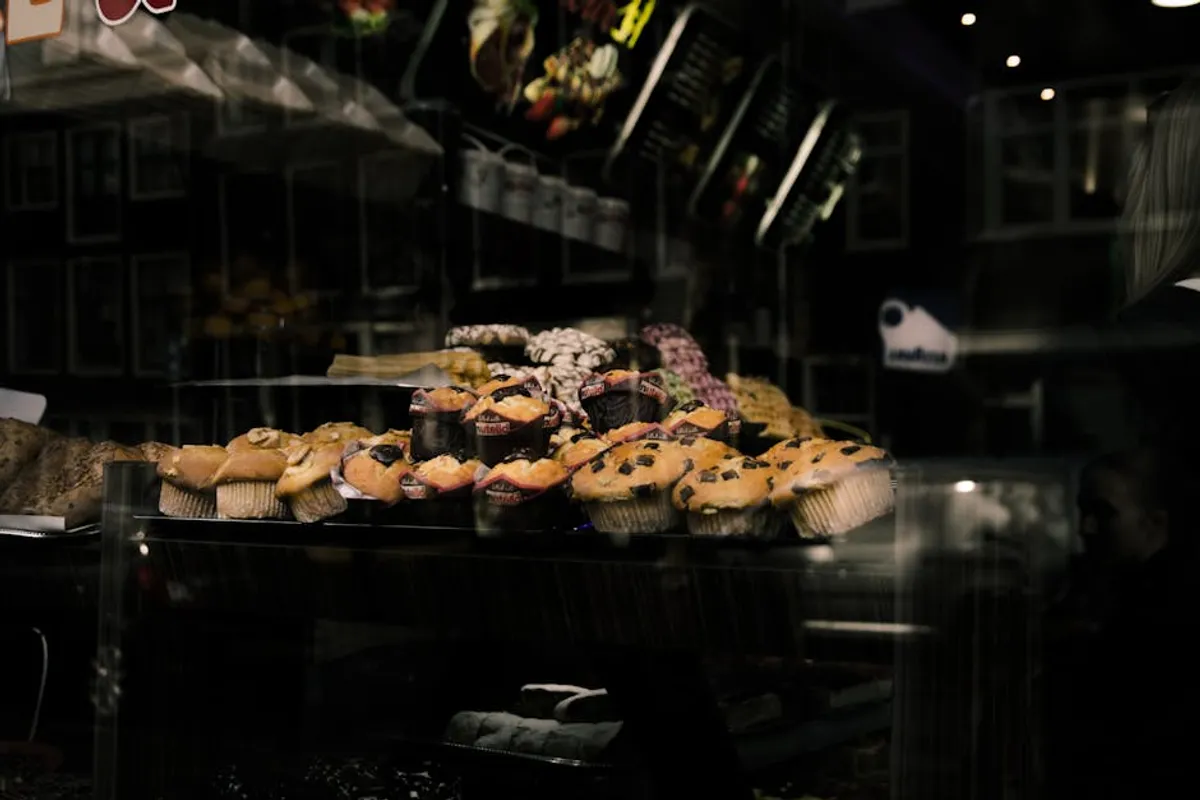
National Dessert Day presents a significant opportunity for bakeries to drive sales, attract new customers, and reinforce brand loyalty. This annual observance, celebrated on October 14th, shifts consumer focus squarely onto sweet treats, creating a natural demand surge. For bakery owners and marketers, the challenge lies not just in offering desserts, but in crafting promotions that cut through the noise, generate excitement, and translate into measurable revenue. The decisions made around promotional strategy for this day can significantly impact short-term sales and long-term customer engagement. Effective planning requires understanding your target audience, leveraging digital and in-store channels, and offering genuine value that resonates beyond a simple discount.
Key Considerations for National Dessert Day Promotions
Before launching any promotion, evaluate several factors to ensure alignment with business goals and customer expectations. First, assess your operational capacity; can your team handle a significant increase in orders without compromising quality or service? Second, consider your target demographic's preferences. Are they driven by novelty, value, or a unique experience? Third, integrate your promotion with existing marketing channels, including email lists, social media presence, and in-store signage, to maximize reach. Finally, establish clear metrics for success, such as increased foot traffic, online orders, average transaction value, or social media engagement, to evaluate the promotion's effectiveness and inform future strategies.
1. Limited-Edition Dessert Bundles
This promotion involves curating a special collection of desserts, often smaller portions or unique flavors, packaged together at a specific price point for National Dessert Day. The bundle creates a sense of exclusivity and offers customers a convenient way to sample multiple items or share with others. It capitalizes on the "treat yourself" or "celebrate with others" impulse, making the decision to purchase easier by presenting a complete, attractive package rather than individual items.
Best for: Increasing average order value, introducing new menu items, and catering to gifting or small gathering occasions.
Pros:
- Encourages higher spending per customer compared to single-item purchases.
- Provides an opportunity to test new dessert concepts or combinations.
- Simplifies the customer's decision-making process with a pre-selected assortment.
- Offers strong visual appeal for social media marketing and in-store displays.
Cons:
- Requires careful inventory management to prevent waste or stockouts of specific components.
- Pricing must be perceived as a value; if too high, it deters impulse buys.
- Logistical challenges in assembly and packaging if not streamlined.
Verdict: A well-executed dessert bundle can significantly boost sales and introduce customers to a wider range of products, provided the value proposition is clear and operational logistics are managed efficiently.
2. "Bake Your Own" Kit Sales
These kits provide pre-measured dry ingredients, special toppings, and easy-to-follow instructions for customers to bake a specific dessert at home. For National Dessert Day, a bakery could offer kits for signature cookies, cupcakes, or even a smaller cake. This taps into the growing interest in home baking and provides an interactive, family-friendly activity, extending the celebration beyond a simple purchase. This taps into the growing interest in home baking and provides family-friendly activities for your bakery, extending the celebration beyond a simple purchase.
Best for: Engaging families, offering a unique product experience, and generating sales for non-perishable ingredients.
Pros:
- Offers a distinct product category that appeals to hobby bakers and parents.
- Generates revenue from ingredients with longer shelf lives, reducing spoilage risk.
- Creates a memorable brand experience that can be shared on social media by customers.
- Can be easily shipped or offered for local pickup, expanding reach.
Cons:
- Requires clear, concise instructions to ensure customer satisfaction with the end product.
- Initial investment in packaging and recipe development can be substantial.
- Customers may perceive the value as lower if they feel they are paying for something they can assemble themselves cheaply.
Verdict: "Bake Your Own" kits diversify product offerings and deepen customer engagement, particularly for those seeking an experiential component to their National Dessert Day celebration.
3. Social Media Contest with User-Generated Content
This promotion encourages customers to share photos or videos of themselves enjoying your bakery's desserts, or even baking with your kits, using a specific hashtag. Entrants are then entered into a draw for prizes like gift cards, free desserts, or a baking class. This strategy leverages the power of social proof and peer recommendations to amplify your brand message.
Best for: Increasing brand visibility, driving social media engagement, and collecting authentic marketing content.
Pros:
- Generates organic reach and exposure through participants' networks.
- Provides a wealth of user-generated content that can be repurposed for future marketing.
- Fosters a sense of community and excitement around your brand.
- Relatively low cost to implement, relying on customer effort for content creation.
Cons:
- Requires active monitoring of hashtags and engagement to ensure compliance and fairness.
- Success is dependent on customer participation, which can be unpredictable.
- Prizes must be appealing enough to motivate entry.
Verdict: A well-structured social media contest can significantly boost brand awareness and engagement, turning customers into brand advocates and providing valuable content.
4. Collaboration with Local Coffee Shops/Restaurants
Partnering with another local business, such as a coffee shop, restaurant, or even a florist, to offer a joint promotion. For National Dessert Day, this could involve a special "dessert and coffee" combo, a dessert paired with a specific meal, or a floral arrangement that includes a small dessert box. This cross-promotion expands reach to a new customer base and offers a unique, integrated experience. This cross-promotion expands reach to a new customer base and offers a unique, integrated experience with excellent dessert and drink pairings.
Best for: Expanding market reach, attracting new customer segments, and fostering local business relationships.
Pros:
- Accesses the partner business's existing customer base without direct marketing costs.
- Offers customers a unique, value-added experience they can't get elsewhere.
- Strengthens local business ties and community presence.
- Can generate buzz and media attention for both businesses.
Cons:
- Requires careful coordination and agreement on revenue sharing or cost allocation.
- Brand images and quality standards of partners must align to avoid negative association.
- Logistical challenges in production, delivery, and display across multiple locations.
Verdict: Strategic collaborations can open new markets and enhance brand perception, but require careful partner selection and clear operational agreements.
5. Charity Partnership with a Special Dessert
Designate a specific, often limited-edition, dessert for National Dessert Day where a portion of the sales proceeds goes to a local charity. This leverages consumer desire to contribute to a good cause while indulging in a treat. The charity aspect adds an emotional layer to the purchase decision, making it more compelling than a standard transaction.
Best for: Enhancing brand reputation, appealing to socially conscious consumers, and generating positive public relations.
Pros:
- Boosts brand image as a socially responsible business.
- Appeals to customers who are motivated by charitable giving.
- Can generate positive local media coverage and community goodwill.
- Provides a clear, compelling reason for customers to choose your bakery.
Cons:
- Requires transparent reporting of donations to maintain trust.
- The charity chosen must resonate with the target audience.
- Profit margins on the designated dessert may be reduced due to the donation.
Verdict: A charity partnership can differentiate your bakery and attract customers who value social impact, provided the cause is well-chosen and the promotion is communicated transparently.
6. Online Baking Class/Demo
Host a live or pre-recorded online baking class or demonstration for a popular dessert, perhaps one featured in your "Bake Your Own" kits. This can be offered free as a lead magnet, or ticketed as a premium experience, possibly with an ingredient list or kit purchase required. It positions your bakery as an expert and provides valuable content, building community and driving future sales.
Best for: Building brand authority, engaging customers interactively, and creating content for evergreen marketing.
Pros:
- Establishes your bakery as an expert and trusted source for baking knowledge.
- Engages customers in a unique, interactive way, fostering loyalty.
- Generates valuable video content that can be repurposed across platforms.
- Can attract a global audience if offered online, expanding potential reach.
Cons:
- Requires technical setup for live streaming or video production skills.
- Engagement can vary based on the instructor's charisma and content quality.
- May not directly translate to immediate dessert sales unless integrated with product offerings.
Verdict: Online classes build brand equity and customer connection, offering a valuable content marketing strategy that can indirectly boost sales over time.
7. "Dessert Flight" Tasting Menu
Offer a curated selection of mini desserts, presented together as a "dessert flight." This allows customers to sample a variety of flavors and textures in one sitting, often at a set price. It's an experiential offering that encourages discovery and provides a sophisticated way to celebrate National Dessert Day.
Best for: Showcasing variety, encouraging experimentation, and creating an upscale, experiential offering.
Pros:
- Encourages customers to try multiple items they might not otherwise purchase.
- Offers an elevated, memorable dining experience perfect for sharing.
- Provides excellent photo opportunities for social media sharing.
- Can be priced at a premium, increasing profit margins per customer.
Cons:
- Requires precise portion control and presentation for consistency.
- May be labor-intensive to prepare multiple mini desserts.
- Not suitable for customers seeking a single, full-sized treat.
Verdict: Dessert flights are an effective way to highlight your bakery's range and provide a unique, shareable experience that can drive higher-value transactions.
8. Subscription Box Launch/Special Offer
For National Dessert Day, launch a new dessert subscription box service or offer a special discount/bonus for new sign-ups to an existing service. This creates recurring revenue and builds a consistent customer base. The day serves as a timely hook to introduce the concept of regular dessert deliveries.
Best for: Generating recurring revenue, building customer loyalty, and long-term sales forecasting.
Pros:
- Creates predictable, recurring revenue streams.
- Builds a loyal customer base with consistent engagement.
- Allows for efficient production planning and inventory management.
- Offers a convenient "set it and forget it" option for customers.
Cons:
- Requires robust logistics for packing and shipping/delivery.
- Customer retention depends on consistent quality and variety.
- Initial marketing investment to acquire subscribers can be high.
Verdict: A subscription box special for National Dessert Day can transform one-time buyers into loyal, recurring customers, providing a stable foundation for future business growth.
9. Customer Loyalty Program Double Points Day
Offer double loyalty points on all dessert purchases made on National Dessert Day. This incentivizes existing loyalty program members to make a purchase and encourages new customers to sign up. It rewards your most valuable customers and encourages repeat business by accelerating their path to rewards.
Best for: Rewarding existing customers, encouraging repeat purchases, and increasing loyalty program enrollment.
Pros:
- Directly incentivizes purchases from your most engaged customers.
- Lowers customer acquisition cost by focusing on retention.
- Easy to implement with existing loyalty program infrastructure.
- Encourages new sign-ups to the loyalty program.
Cons:
- May not attract new customers who are not already part of the program.
- Can reduce the perceived value of regular points if overused.
- Requires clear communication of the offer to loyalty members.
Verdict: A double points day is a straightforward and effective way to drive sales from your existing customer base and enhance loyalty without deep discounting.
10. Flash Sale on Specific Dessert Categories
Implement a short-duration, high-discount sale on particular dessert categories (e.g., "20% off all cheesecakes" or "Buy One Get One Free on brownies") for a limited time on National Dessert Day. This creates urgency and encourages immediate purchases, often leading to impulse buys. It's effective for moving specific inventory or highlighting a particular product line.
Best for: Driving immediate sales, clearing specific inventory, and creating a sense of urgency.
Pros:
- Generates immediate sales volume and foot traffic/online orders.
- Effective for moving excess inventory or promoting less popular items.
- Creates a strong sense of urgency that motivates quick purchase decisions.
- Relatively simple to implement and communicate.
Cons:
- Can train customers to wait for discounts, potentially eroding full-price sales.
- May attract deal-seekers rather than loyal, high-value customers.
- Requires careful margin analysis to ensure profitability even with discounts.
Verdict: Flash sales can deliver rapid sales boosts but should be used strategically to avoid devaluing products or relying too heavily on discounting.
11. Gift Card Promotion
Offer a bonus for gift card purchases on National Dessert Day, such as "Buy a $50 gift card, get a $10 bonus card free." This generates immediate cash flow, attracts future business, and introduces new customers to your bakery through gift recipients. It's a low-risk way to lock in future sales.
Best for: Generating immediate cash flow, acquiring new customers indirectly, and ensuring future business.
Pros:
- Provides immediate cash flow for the bakery.
- Attracts new customers when gift cards are given as presents.
- Often results in customers spending more than the gift card value.
- Gift cards do not expire, ensuring future redemption.
Cons:
- The bonus portion represents a deferred discount that impacts future revenue.
- Some gift cards may go unredeemed, though this can be a net positive for the business.
- Requires clear communication of terms and conditions for bonus cards.
Verdict: Gift card promotions are a reliable method for boosting immediate revenue and securing future customer visits, especially around gifting holidays.
12. "Secret Menu" Dessert Reveal
Create a special, unadvertised dessert available only to those who mention a specific phrase or show a special email/SMS offer on National Dessert Day. This builds exclusivity and rewards your most engaged followers. It leverages curiosity and the desire for unique experiences, making customers feel like insiders.
Best for: Building exclusivity, rewarding loyal customers, and driving email/SMS list engagement.
Pros:
- Creates a strong sense of exclusivity and "insider" status for customers.
- Drives sign-ups to email lists or SMS marketing channels to access the secret.
- Generates word-of-mouth marketing as customers share their unique discovery.
- Can be used to test new dessert concepts with a targeted audience.
Cons:
- Requires careful management to ensure staff are aware and consistent with the offer.
- May disappoint customers who are not part of the "secret" audience.
- The "secret" must be compelling enough to motivate engagement.
Verdict: A "secret menu" item is a creative way to reward loyal customers and drive engagement with your direct marketing channels, fostering a sense of community and special access.
Measuring Promotion Success and Adapting Strategy
To determine the effectiveness of your National Dessert Day promotions, track key performance indicators (KPIs) relevant to your objectives. If your goal was increased sales, monitor daily revenue, average transaction value, and specific product sales for the promotional period compared to previous periods or the same day last year. For engagement-focused promotions, track social media mentions, hashtag usage, website traffic, or email open rates. Customer acquisition can be measured by new loyalty program sign-ups or email list subscribers. Collect customer feedback directly through surveys or indirectly through online reviews. Analyze which promotions generated the highest return on investment and which encountered operational bottlenecks. Use these insights to refine future promotional calendars, optimize resource allocation, and continuously improve your marketing strategies for subsequent holidays and special events.
Frequently Asked Questions
What is National Dessert Day?
National Dessert Day is an annual observance on October 14th dedicated to celebrating all types of desserts. It serves as a popular occasion for bakeries and sweet shops to offer special promotions and encourage dessert consumption.
How can small bakeries compete with larger chains on National Dessert Day?
Small bakeries can compete by focusing on unique, artisanal offerings, personalized customer service, and community-centric promotions. Collaborating with other local businesses, emphasizing local ingredients, and leveraging strong local social media presence can also differentiate them from larger chains.
Should promotions focus on discounts or unique experiences?
The most effective strategy often combines both. While discounts can drive immediate sales volume, unique experiences like dessert flights, "bake your own" kits, or charity partnerships build brand loyalty and offer a more memorable interaction that can lead to long-term customer relationships. A balanced approach caters to different customer motivations.
How far in advance should a bakery plan for National Dessert Day promotions?
Ideally, planning should begin 4-6 weeks in advance. This allows sufficient time for menu development, ingredient sourcing, staff training, marketing material creation, and scheduling social media posts and email campaigns. For collaborations, even more lead time may be necessary to coordinate with partners.
What role does online presence play in National Dessert Day promotions?
An effective online presence is crucial. This includes an up-to-date website for online orders, active social media channels for promotion announcements and customer engagement, and an email list for direct communication of exclusive offers. Digital channels amplify reach and provide convenient purchasing options for customers.