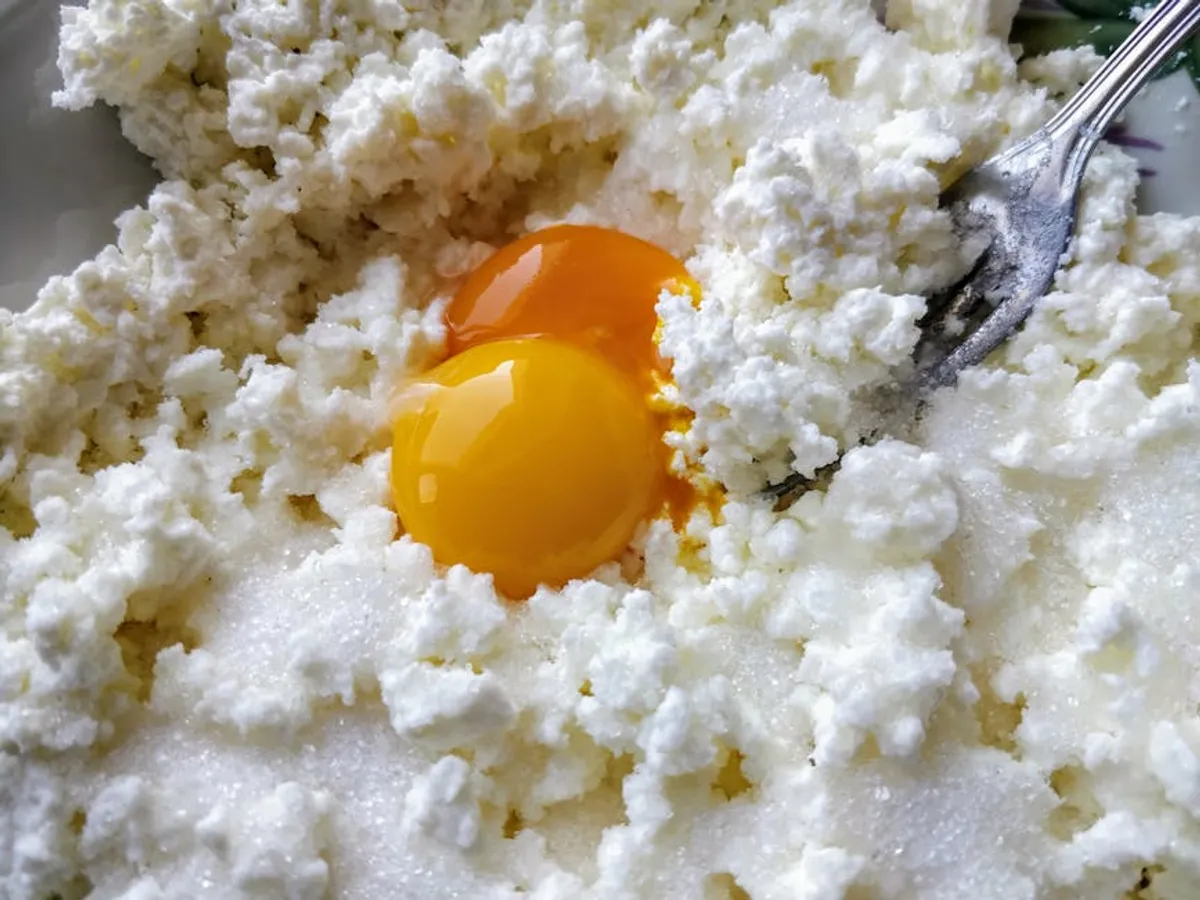
Cottage cheese bread offers a distinct baking experience, yielding a loaf known for its exceptional moisture, tender crumb, and subtle tang. Unlike conventional white or whole wheat breads that rely solely on water or milk for hydration, the inclusion of cottage cheese introduces a unique blend of protein, fat, and lactic acid, fundamentally altering the dough's structure and the final product's texture. This recipe targets bakers seeking a bread that stays fresh longer, boasts a richer flavor profile, and provides a nutritional boost beyond standard formulations. Understanding the specific roles of each ingredient and mastering the technique ensures a consistently superior loaf, distinguishing it from simpler bread varieties.
Understanding the Unique Appeal of Cottage Cheese Bread
The decision to incorporate cottage cheese into bread dough is driven by several tangible benefits that impact both the baking process and the eating experience. These advantages extend beyond mere novelty, contributing to a superior final product.
- Enhanced Moisture and Texture: The high water content and milk solids in cottage cheese contribute significantly to the bread's internal moisture. This results in a softer, more pliable crumb that resists drying out, extending its shelf life compared to breads made with only water. The curds themselves melt into the dough during baking, creating a fine, even texture.
- Nutritional Boost: Cottage cheese is a notable source of protein and calcium. Integrating it into bread elevates the nutritional value of each slice, offering a more satisfying and nutrient-dense option than typical white breads. This makes it particularly appealing for those seeking to incorporate more protein into their diet without compromising on taste or texture.
- Subtle Flavor Profile: The mild acidity of cottage cheese imparts a delicate tang that complements both savory and sweet applications. It's not overpowering, but rather adds a layer of complexity that enriches the overall flavor without dominating other ingredients. This nuanced taste makes the bread versatile for various culinary pairings.
Essential Ingredients for Success
Achieving the desired characteristics of cottage cheese bread hinges on selecting and preparing the right ingredients. Each component plays a specific, critical role in the dough's development and the final loaf's quality.
Cottage Cheese Selection and Preparation
The type of cottage cheese influences both texture and moisture. Opt for full-fat, small-curd cottage cheese for the richest flavor and most tender crumb. The fat contributes to tenderness, while the smaller curds integrate more smoothly into the dough. Before mixing, ensure the cottage cheese is at room temperature to facilitate even incorporation and prevent chilling the yeast, which can hinder activation. Some recipes advocate for pureeing the cottage cheese for an even smoother texture, but leaving it slightly chunky can add subtle textural interest.
Flour Selection
All-purpose flour is suitable for a soft, tender loaf. For a chewier texture and higher rise, bread flour, with its higher protein content, is an excellent choice. The increased gluten development in bread flour provides more structure to support the moist dough. Whole wheat flour can be used for a portion of the total flour (up to 50%) to add fiber and a nutty flavor, but be aware it will produce a denser loaf and may require slightly more liquid due to whole wheat's higher absorption rate.
Yeast Activation and Role
Active dry yeast or instant yeast can be used. If using active dry yeast, proof it first in warm liquid (around 105-115°F or 40-46°C) with a pinch of sugar to ensure it's viable. Instant yeast can often be mixed directly with the dry ingredients, but still benefits from warm conditions. Yeast is responsible for fermentation, producing carbon dioxide that gives the bread its rise and characteristic airy texture. Insufficiently active yeast will lead to a dense, heavy loaf.
Sweeteners and Fats
A small amount of sugar (granulated or honey) not only adds a touch of sweetness but also serves as food for the yeast, accelerating fermentation. Butter or oil contributes to the bread's tenderness, moisture retention, and rich flavor. Melted butter is often preferred for its flavor, but a neutral oil like canola or vegetable oil works equally well for moisture.
The Baking Process: A Step-by-Step Guide
Precision in each stage of bread making is paramount for a successful cottage cheese loaf. Deviations can impact rise, texture, and flavor.
Mixing and Kneading
Combine all wet ingredients, including the room-temperature cottage cheese, with the yeast mixture. Gradually add dry ingredients, mixing until a shaggy dough forms. Kneading, whether by hand or stand mixer, develops the gluten structure, which is crucial for trapping the gases produced by yeast. Knead until the dough is smooth, elastic, and passes the windowpane test – a small piece can be stretched thin enough to see light through without tearing.
First Rise (Bulk Fermentation)
Place the kneaded dough in a lightly oiled bowl, turning once to coat. Cover tightly and allow it to rise in a warm, draft-free place until doubled in size, typically 1-2 hours depending on ambient temperature and yeast activity. This initial rise develops flavor and allows the gluten to relax.
Shaping the Loaf
Gently punch down the risen dough to release excess gas. Turn it out onto a lightly floured surface and shape it into a tight, uniform loaf. A well-shaped loaf ensures an even rise and an attractive final appearance. For sandwich bread, a simple rectangular shape fits perfectly into a standard loaf pan.
Second Rise (Proofing)
Place the shaped loaf in a prepared loaf pan, cover loosely, and allow it to rise again until visibly puffy and almost doubled. This secondary rise, or proofing, typically takes 30-60 minutes. Over-proofing can lead to a collapsed loaf, while under-proofing results in a dense crumb.
Pro Tip: For optimal crust development and to prevent a dry interior, ensure your oven is fully preheated to the specified temperature before baking. A sudden blast of high heat promotes a rapid initial rise, known as oven spring, which contributes to a light, airy texture and a well-formed crust. Placing a pan of hot water on the bottom rack can also increase oven humidity, further enhancing crust quality.
Baking
Bake the loaf in a preheated oven at the recommended temperature (typically 350-375°F or 175-190°C) until golden brown and hollow-sounding when tapped on the bottom. An internal temperature of 200-210°F (93-99°C) indicates doneness. Immediately remove the bread from the pan and cool completely on a wire rack before slicing. Slicing warm bread can compress the crumb and make it gummy.
Variations and Enhancements
Cottage cheese bread serves as an excellent base for various additions, allowing for customization to suit different tastes.
- Savory Additions: Incorporate herbs like dill, chives, or rosemary. Grated cheese (cheddar, Parmesan), minced garlic, or finely chopped onions can also be folded into the dough during the kneading stage for a more robust savory profile.
- Sweet Variations: For a subtly sweet loaf, add a tablespoon or two of sugar, honey, or maple syrup. Spices like cinnamon or nutmeg, along with dried fruits such as raisins or cranberries, can be folded in for a dessert-like bread.
- Seed and Grain Boosts: Sunflower seeds, poppy seeds, sesame seeds, or rolled oats can be added to the dough or sprinkled on top before baking for extra texture and nutritional value.
Troubleshooting Common Baking Challenges
Even experienced bakers encounter issues. Understanding common problems and their solutions ensures consistent results.
Dense Loaf: This often indicates insufficient kneading, under-proofing, or inactive yeast. Ensure proper gluten development through adequate kneading and allow the dough to rise fully in a warm environment. Verify yeast viability before use.
Crumbly Texture: Over-baking can dry out the bread, leading to a crumbly texture. Monitor baking time and temperature closely. It can also result from too much flour, which reduces the dough's hydration.
Lack of Rise: The primary culprits are usually old or inactive yeast, insufficient proofing time, or a cold environment. Ensure yeast is fresh and active, and provide a consistently warm, draft-free place for the dough to rise.
Storage and Serving Recommendations
Proper storage is crucial for maintaining the quality and freshness of cottage cheese bread.
Airtight Storage: Once completely cooled, store the bread in an airtight container or bread bag at room temperature for up to 3-4 days. This prevents moisture loss and keeps the crust from becoming stale.
Freezing for Longevity: For longer storage, slice the cooled loaf and freeze the slices in a freezer-safe bag or container for up to 3 months. Thaw individual slices as needed, or warm them directly from frozen in a toaster or oven.
Pairing Suggestions: Cottage cheese bread is exceptionally versatile. It makes excellent toast, pairs well with soups and stews, and is a sturdy base for sandwiches. Its subtle tang also complements fruit jams, savory spreads, and soft cheeses.
Optimizing Your Bake: Practical Tips
To consistently produce an excellent cottage cheese bread, focus on these actionable details. Use a kitchen scale for precise ingredient measurements, especially for flour, as volume measurements can vary significantly. Maintain consistent temperatures during yeast activation and proofing; a slight variation can drastically impact the final rise. Avoid the temptation to add too much extra flour during kneading or shaping, as this can lead to a dry, dense loaf. Trust the process and allow the dough to develop its structure and flavor naturally through proper fermentation and baking. These deliberate steps ensure a loaf that is both rewarding to bake and delightful to consume.
Frequently Asked Questions
Can I use low-fat cottage cheese?
While possible, full-fat cottage cheese is recommended for its contribution to moisture, tenderness, and flavor. Low-fat versions may result in a slightly drier loaf with less richness.
How do I know if my yeast is still active?
To test active dry yeast, dissolve 1 teaspoon of sugar in 1/2 cup of warm water (105-115°F or 40-46°C), then stir in 2 1/4 teaspoons of yeast. If it foams and bubbles within 5-10 minutes, it's active. If not, discard and use new yeast.
Can I make this bread in a bread machine?
Yes, many cottage cheese bread recipes can be adapted for a bread machine. Follow your machine's instructions for the "basic" or "white bread" cycle, adding ingredients in the order specified by the manufacturer, typically liquids first, then dry ingredients, with yeast last.
Why is my bread crust tough?
A tough crust can be caused by over-baking, baking at too high a temperature, or insufficient moisture in the dough or oven. Ensure proper baking times and consider adding a pan of hot water to the oven during baking to increase humidity.