Navigating Colombian cuisine offers a rich and diverse culinary experience, characterized by regional variations and a consistent emphasis on fresh, local ingredients. Unlike many Latin American food traditions, Colombian dishes often prioritize flavor depth and hearty sustenance over intense spice, making them accessible to a broad palate. Understanding the core dishes provides a clear pathway to appreciating the country’s gastronomic identity, whether for a first-time visitor or an adventurous home cook.
Bandeja Paisa: The Definitive Feast
Bandeja Paisa stands as a caloric cornerstone of Colombian cuisine, particularly emblematic of the Antioquia region. This platter is not merely a meal; it is a complete culinary event, designed to sustain laborers through demanding days. Its composition is standardized, ensuring a consistent experience across establishments, from roadside diners to upscale restaurants.
- Ground Beef: Seasoned and finely crumbled, providing a savory base.
- White Rice: A neutral counterpoint, absorbing flavors from the other components.
- Red Beans: Slow-cooked until tender, often with pork belly, adding a rich, earthy depth.
- Chicharrón: Crispy fried pork belly, delivering a textural contrast and intense umami.
- Fried Egg: Typically served sunny-side up, its runny yolk enriches the entire dish.
- Ripe Plantain (Tajada): Sweet and caramelized, balancing the savory elements.
- Arepa: A small, plain corn cake, used for scooping or as a bread accompaniment.
- Avocado Slice: Freshness and a creamy texture to cut through the richness.
The sheer volume and variety make Bandeja Paisa a dish often shared or reserved for significant appetites. Its commercial appeal lies in its recognizability and the comprehensive experience it offers, representing Colombian culinary generosity.
Ajiaco Santafereño: Bogotá's Signature Soup
From the high altitudes of Bogotá emerges Ajiaco Santafereño, a distinct and comforting chicken and potato soup. This dish is characterized by its specific potato varieties and a unique herb, setting it apart from other Latin American stews. It is a staple, especially in cooler climates, and reflects the agricultural bounty of the Andean highlands.
Key Components of Ajiaco
The soup’s distinctive texture and flavor profile derive from three types of potatoes: sabanera, pastusa, and the small, yellow criolla potato. The criolla potatoes, in particular, dissolve during cooking, naturally thickening the broth to a creamy consistency without added dairy. Shredded chicken provides the protein, while corn on the cob adds sweetness and texture.
The essential flavor component is guascas, a local herb with a subtle, earthy, and slightly bitter taste. Without guascas, the soup would lack its characteristic aroma and depth. Ajiaco is traditionally served with a side of capers and heavy cream, which diners add according to their preference, enhancing the soup’s richness and tartness. A slice of avocado and a plain arepa often accompany it.
Pro Tip: When trying Ajiaco, always inquire if guascas are present. Authentic preparation relies on this herb for its signature flavor. Adding capers and cream incrementally allows you to customize the balance of richness and tang to your taste.
Arepas: The Ubiquitous Corn Cake
Arepas are perhaps the most versatile and widely consumed food item in Colombia, serving as a breakfast staple, a street snack, or an accompaniment to almost any meal. Made from ground maize dough, they are grilled, baked, or fried, resulting in a slightly crispy exterior and a soft, often fluffy interior.
Variations and Fillings
The simplest arepa is a plain, flat corn cake, often served with butter and salt. However, regional variations and fillings elevate them into more complex dishes:
- Arepa de Huevo: A coastal specialty where an arepa is split, an egg cracked inside, and then deep-fried.
- Arepa con Queso: Often features cheese mixed into the dough or melted inside the warm arepa.
- Arepa Rellena: Stuffed with various fillings like shredded beef (carne desmechada), chicken, hogao (a tomato and onion sauce), or a combination of ingredients.
The commercial utility of arepas lies in their adaptability and universal appeal. They function as a blank canvas for diverse flavors, making them a consistent presence across all dining contexts.
Empanadas: The Perfect Handheld Snack
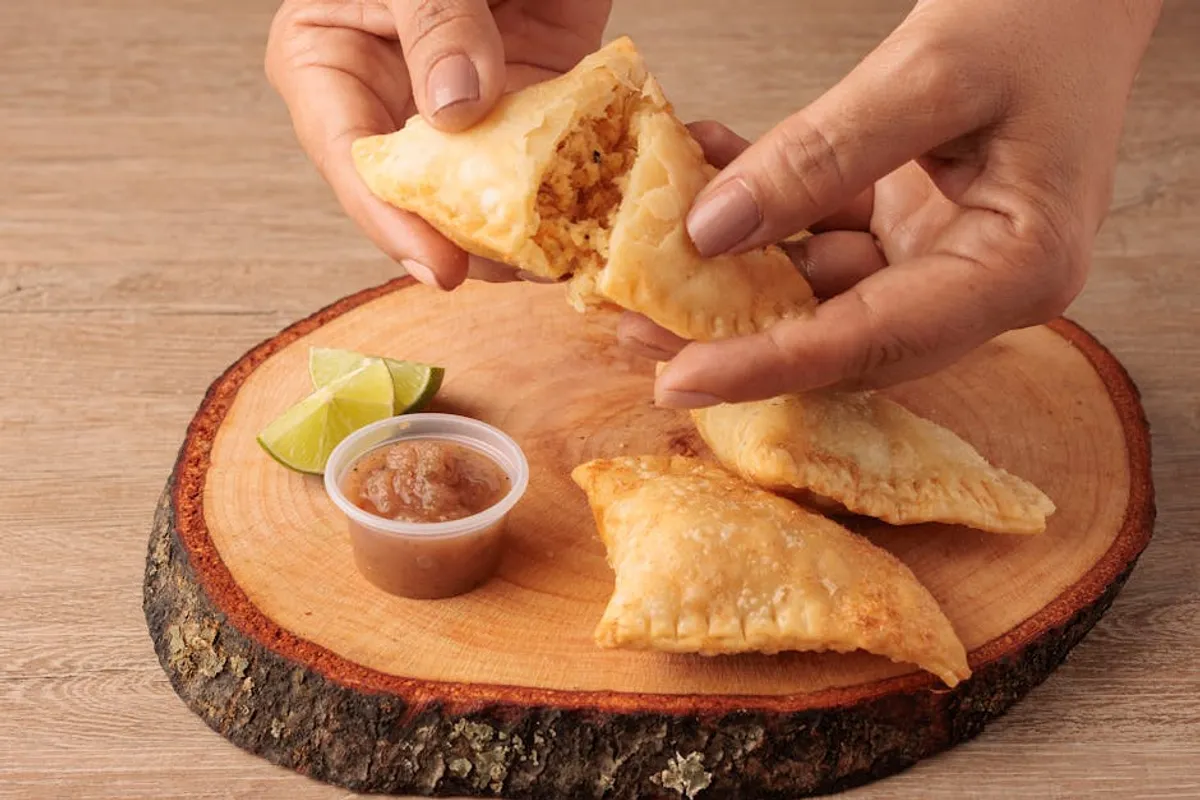
Colombian empanadas are a quintessential street food, offering a savory, convenient, and flavorful experience. These crescent-shaped turnovers consist of a thin cornmeal dough, typically fried to a golden crisp. They differ from their wheat-based counterparts found in other Latin American countries, providing a distinct texture and taste.
Common Fillings: The most prevalent fillings include seasoned ground beef, shredded chicken, or a combination of meat and potato. Vegetarian options, though less common traditionally, are increasingly available. The filling is usually savory, often incorporating a sofrito base of onion, garlic, and tomato.
Empanadas are almost always served with a side of ají, a vibrant, fresh salsa made from cilantro, onion, and chili peppers. This bright, acidic condiment cuts through the richness of the fried pastry and meat, enhancing the overall flavor profile.
Sancocho: The Hearty Stew
Sancocho is a robust and widely beloved stew found across Colombia, with countless regional interpretations. While the core concept of a meat-and-vegetable broth remains consistent, the specific ingredients vary significantly by region and available produce, reflecting local culinary traditions.
Regional Sancocho Varieties
- Sancocho de Gallina: Common in the central regions, featuring chicken, plantain, yucca (cassava), potato, and corn, simmered in a clear broth.
- Sancocho de Pescado: Popular in coastal areas, incorporating fresh fish (like snapper or sierra), often with coconut milk, alongside root vegetables.
- Sancocho de Cola: Made with oxtail, offering a rich, gelatinous texture and deep beef flavor.
Regardless of the protein, sancocho is characterized by its substantial chunks of root vegetables, which break down to thicken the broth and impart earthy flavors. It is a communal dish, often prepared for family gatherings or Sunday lunches, symbolizing warmth and hospitality.
Planning Your Colombian Food Journey
Exploring Colombian cuisine is a journey through diverse landscapes and cultural influences, each dish telling a story of its origin. From the mountainous regions to the Caribbean coast, the food reflects ingenuity in utilizing local ingredients. Focus on experiencing the regional specialties to gain a comprehensive understanding of the country's culinary heritage. Prioritize local eateries and markets for the most authentic flavors and fresh preparations.
Frequently Asked Questions About Colombian Food
Is Colombian food spicy?
Generally, Colombian food is not spicy. While some dishes may incorporate mild chili, the focus is typically on savory, earthy flavors derived from herbs, vegetables, and slow-cooked meats. Spicy condiments like ají are usually served on the side, allowing diners to add heat to their preference.
What are common ingredients in Colombian cooking?
Common ingredients include corn, potatoes (especially criolla), plantains (green and ripe), yucca (cassava), rice, beans, chicken, beef, and pork. Herbs like cilantro and guascas are frequently used, along with a sofrito base of onion and tomato.
Are there vegetarian options in Colombian cuisine?
While many traditional dishes are meat-centric, vegetarian options can be found. Arepas, patacones (fried plantain patties), and some bean-based dishes can be vegetarian. It’s advisable to specify dietary needs, as even vegetable dishes might be cooked with animal fats.
What is a typical Colombian breakfast?
A typical Colombian breakfast often includes arepas with cheese or eggs, changua (a milk and egg soup), hot chocolate or coffee, and fresh fruit or fruit juice. Regional variations exist, but hearty and comforting options are common.