Chinese Eggplant With Garlic Sauce stands as a benchmark dish in Szechuan cuisine, celebrated for its complex interplay of flavors and textures. For any food-centric business or content platform, mastering this dish involves more than just following a recipe; it requires a deep understanding of ingredient selection, precise cooking techniques, and the delicate balance of its signature sauce. The commercial appeal of this dish hinges on its consistent quality, visual presentation, and the authentic flavor profile it delivers. This exploration delves into the critical elements that elevate a standard preparation to a commercially viable and highly desirable culinary offering, focusing on choices that impact cost, consistency, and customer satisfaction.
The Foundation: Selecting the Right Eggplant
The choice and preparation of eggplant are paramount to the success of this dish. Unlike larger, water-heavy globe eggplants, the varieties typically used in Chinese cuisine offer a distinct texture and absorb flavors more effectively without becoming overly mushy or bitter.
Varietals and Their Impact
Best for: Authentic texture and flavor absorption
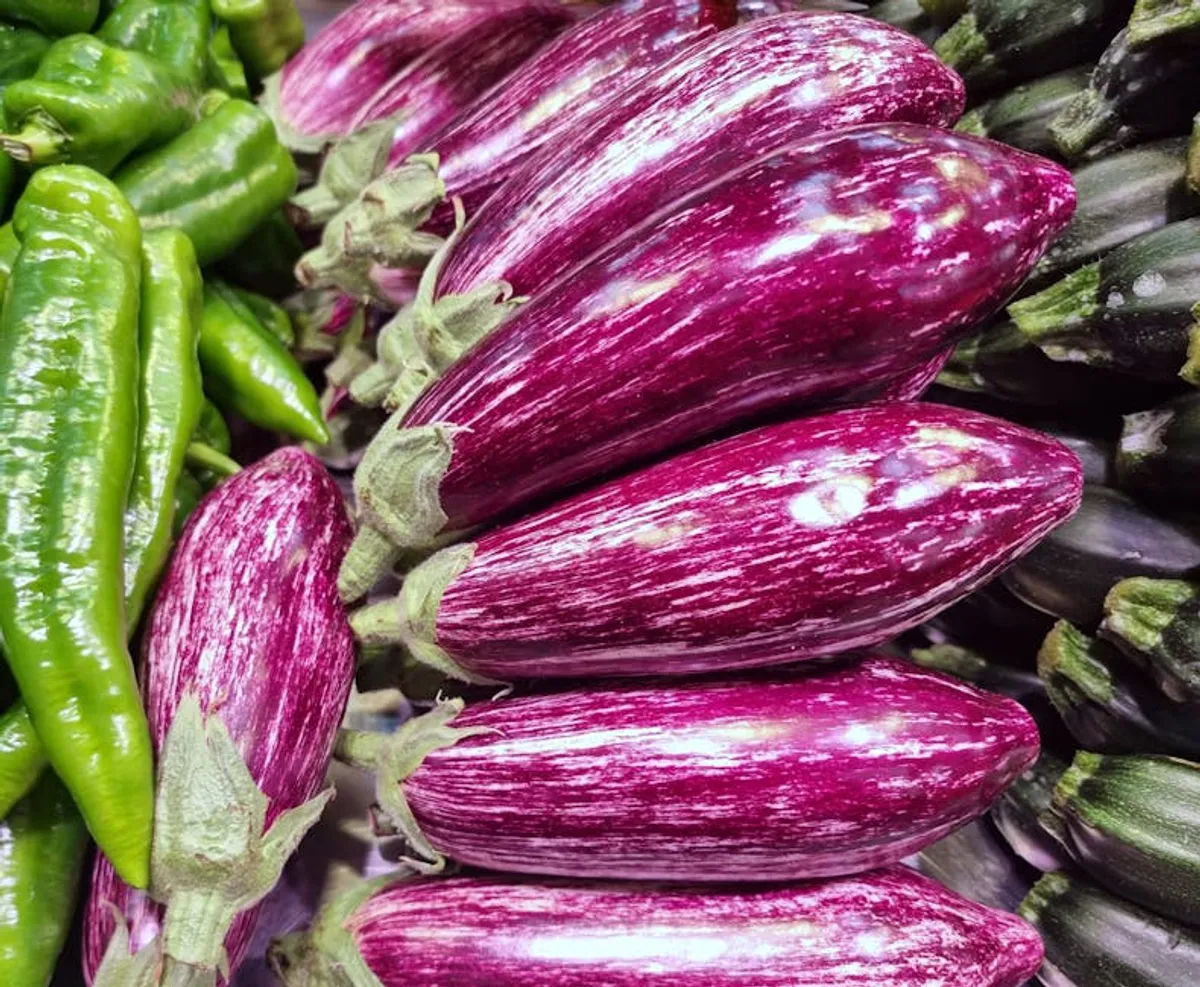
Chinese or Japanese eggplants are preferred due to their slender shape, thinner skin, and fewer seeds. These characteristics contribute to a tender, creamy interior when cooked, without the need for extensive salting to draw out bitterness. Their elongated form also allows for more consistent cooking and a more elegant presentation. Globe eggplants, while more readily available, often require pre-salting and draining to mitigate bitterness and reduce water content, adding a step that can impact kitchen efficiency and ingredient yield.
Preparation for Optimal Texture
Achieving the desired melt-in-your-mouth texture for the eggplant is a critical differentiator. Common methods include deep-frying, pan-frying, steaming, or even roasting. Each method yields a different result affecting oil absorption, exterior crispness, and internal tenderness. Deep-frying, while traditional, results in a rich, unctuous texture but requires careful oil management for commercial kitchens. Steaming offers a lighter alternative, preserving more of the eggplant's natural flavor and reducing oil content, which can appeal to health-conscious consumers. Regardless of the method, uniform cutting of the eggplant into batons or wedges ensures even cooking and consistent results across batches.
Crafting the Signature Garlic Sauce
The garlic sauce is the heart of this dish, providing its characteristic sweet, sour, savory, and subtly spicy notes. Its composition and balance are what define the dish's authenticity and appeal.
Essential Flavor Components
A superior garlic sauce relies on fresh, quality ingredients. Key components typically include:
- Fresh Garlic: Abundant and finely minced or grated for maximum pungency and flavor distribution.
- Ginger: Freshly grated ginger adds a complementary aromatic warmth.
- Soy Sauce: Light soy sauce for salinity and umami, often balanced with a touch of dark soy for color.
- Chinkiang Vinegar: This black rice vinegar provides a complex, malty sourness distinct from white vinegars. Its depth is crucial for the authentic profile.
- Sugar: Granulated sugar or rock sugar balances the acidity and heat, contributing to the glossy finish of the sauce.
- Chili Bean Paste (Doubanjiang) or Dried Chilies: For a nuanced heat and savory depth. The choice impacts the spice level and overall flavor profile.
- Sesame Oil: Added at the end for its distinctive aroma and nutty finish.
- Cornstarch Slurry: Essential for thickening the sauce to coat the eggplant effectively, ensuring a desirable mouthfeel.
The quality of each ingredient directly influences the final sauce's complexity and commercial viability.
Balancing Sweet, Sour, and Umami
The hallmark of an exceptional garlic sauce is its precise balance. Too much sugar can make it cloying, while excessive vinegar can overpower other flavors. The umami from soy sauce and potentially a touch of oyster sauce or mushroom powder, along with the heat from chili, must integrate seamlessly. This balance is not static; it often requires iterative tasting and adjustment, especially when scaling recipes for commercial production. Consistency in measurement and ingredient quality is paramount to replicate this balance across all servings, maintaining brand integrity.
Cooking Techniques for Superior Results
Beyond ingredient selection, the execution of cooking techniques directly impacts the dish's texture and flavor integration.
Achieving Ideal Eggplant Texture
Whether deep-fried, pan-fried, or steamed, the goal is to render the eggplant tender without disintegrating. For deep-frying, maintaining a consistent oil temperature (around 350-375°F / 175-190°C) is crucial to achieve a slightly crisp exterior and a creamy interior without excessive oil absorption. When steaming, uniform pieces and appropriate steaming time prevent sogginess. Post-cooking, the eggplant should be drained thoroughly to remove excess oil or water before being combined with the sauce.
Integrating Sauce and Eggplant
The final step involves quickly tossing the cooked eggplant with the prepared garlic sauce in a hot wok. This rapid stir-frying ensures the sauce coats every piece evenly, allowing the flavors to meld without overcooking the eggplant. The high heat of the wok helps to caramelize the sauce slightly, enhancing its aroma and creating a desirable glossy sheen. Timing is critical here; prolonged cooking can lead to the eggplant becoming overly soft or the sauce reducing too much.
Pro Tip: For commercial consistency, prepare the garlic sauce in larger batches and portion it for individual servings. This reduces variability in flavor and ensures each dish meets the same quality standard. Pre-blanching or light steaming eggplant before a final quick pan-fry can reduce oil use significantly while retaining tenderness, offering a healthier profile without sacrificing texture.
Commercial Considerations and Adaptations
For businesses, adapting Chinese Eggplant With Garlic Sauce involves more than just a recipe; it includes considerations for scale, dietary needs, and market trends.
Scaling and Consistency
Scaling a recipe from home kitchen to commercial volume introduces challenges in maintaining consistency. Standardized ingredient measurements, batch cooking protocols, and quality control checks at each stage are essential. Investing in appropriate equipment, such as commercial woks and fryers, can also streamline production and ensure uniform results. Training staff on precise techniques and flavor profiling is non-negotiable for brand reputation.
Dietary Modifications and Market Appeal
The dish can be adapted to appeal to a broader market. Offering gluten-free versions (using tamari instead of soy sauce) or vegetarian/vegan options (which the dish inherently is) can expand its reach. Adjusting spice levels or offering different protein additions (e.g., ground pork, chicken) can cater to diverse palates. Highlighting fresh, locally sourced ingredients, if applicable, can also enhance its perceived value and align with current consumer preferences for transparency and sustainability.
Elevating Your Dish's Profile
To truly stand out, focus on the details. Garnish with fresh chopped scallions, toasted sesame seeds, or a drizzle of chili oil for visual appeal and an extra layer of flavor. Consider the plating; a well-arranged dish communicates quality and care. For online content, high-quality photography and descriptive language that conveys the sensory experience of the dish are crucial. These elements collectively contribute to a strong commercial presentation and positive customer perception, transforming a simple dish into a memorable culinary experience.
Frequently Asked Questions
What type of eggplant is best for Chinese Eggplant With Garlic Sauce?
Chinese or Japanese eggplants are ideal due to their slender shape, thinner skin, and fewer seeds, which result in a tender, creamy texture and superior flavor absorption without bitterness.
How can I prevent the eggplant from becoming too oily?
To reduce oiliness, consider steaming or blanching the eggplant before a quick pan-fry. If deep-frying, maintain a consistent oil temperature of 350-375°F (175-190°C) and drain thoroughly immediately after cooking.
What is the key to a balanced garlic sauce?
The key lies in carefully balancing sweet (sugar), sour (Chinkiang vinegar), savory (soy sauce), and spicy (chili bean paste) elements. Frequent tasting and precise measurements are crucial for consistency.
Can this dish be prepared in advance for commercial settings?
While best served fresh, the garlic sauce can be prepared in advance and stored. The eggplant can also be pre-cooked, but combining it with the sauce should ideally happen just before serving to maintain optimal texture and flavor.