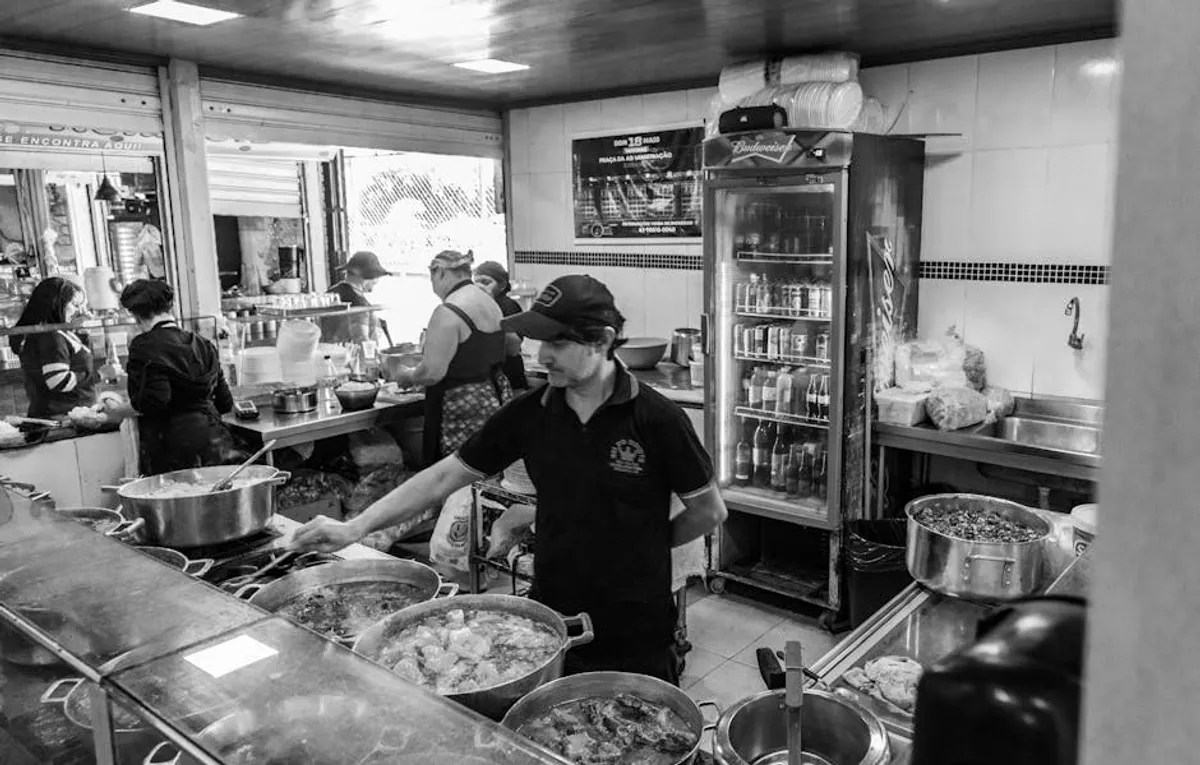
Exploring Brazilian cuisine offers a journey through diverse flavors, historical influences, and regional specialties. This guide provides a practical framework for understanding Brazil's culinary landscape, identifying essential dishes, and navigating the country as a food-focused traveler. From the Amazon basin to the southern plains, Brazil’s food culture is deeply intertwined with its geography, indigenous heritage, and colonial past, making an informed approach crucial for a truly immersive experience.
Brazilian Culinary Geography and Key Ingredients
Brazilian food is not monolithic; it reflects the country's vastness and varied ecosystems. Each major region contributes distinct ingredients and cooking techniques, resulting in a rich tapestry of flavors. Understanding these regional differences is key to appreciating the depth of the cuisine.
Regional Culinary Variations
- Northeast: Characterized by African influences, coconut milk, dendê oil (palm oil), seafood, and spicy flavors. Dishes like Acarajé and Moqueca Baiana are prominent here.
- Southeast: Home to São Paulo and Rio de Janeiro, this region offers a blend of traditional Brazilian fare with strong European influences. Feijoada is a national dish, and the prevalence of 'kilo' restaurants (pay-by-weight buffets) is notable.
- South: Strong European (especially German and Italian) immigration has shaped this region’s food. Churrasco (barbecue) is paramount, alongside pasta, polenta, and wine production.
- North: Influenced by indigenous Amazonian ingredients, featuring freshwater fish, exotic fruits like açaí and cupuaçu, and manioc in various forms. Tacacá and Pato no Tucupi are iconic.
- Central-West: Reflects the cowboy culture (Pantanal) with a focus on beef, freshwater fish, and a strong reliance on corn and manioc.
Staple Ingredients: Across regions, common threads include rice, black beans, manioc (cassava) in flour or starch form, and a wide array of tropical fruits. Beef and various forms of fish are also central to the diet, adapting to local availability.
Essential Brazilian Dishes to Experience
To genuinely understand Brazilian food, engaging with its iconic dishes is non-negotiable. These selections represent a cross-section of the country's culinary identity.
Feijoada Completa
This hearty black bean stew, typically prepared with various cuts of pork and beef, is considered Brazil's national dish. Traditionally served on Wednesdays and Saturdays, it comes with sides like farofa (toasted manioc flour), white rice, collard greens, and orange slices. The complex flavors derive from slow cooking and the specific blend of salted and smoked meats. Expect a rich, savory, and deeply satisfying experience, often followed by a mandatory nap.
Churrasco and Rodízio Style
Brazilian barbecue, or churrasco, is a cultural institution, particularly in the South. Meats, often premium cuts of beef, are seasoned simply (usually with coarse salt) and grilled over open flames. The rodízio style, prevalent in churrascarias, involves waiters continuously bringing skewers of different meats to your table, carving slices directly onto your plate until you signal you’ve had enough. This format emphasizes variety and quantity, making it a social dining event.
Moqueca (Baiana and Capixaba)
Moqueca is a slow-cooked fish or seafood stew. The two primary versions are Moqueca Baiana (from Bahia) and Moqueca Capixaba (from Espírito Santo). Baiana uses dendê oil, coconut milk, and bell peppers, resulting in a vibrant orange hue and richer flavor profile. Capixaba uses olive oil, annatto (urucum), and tomatoes, yielding a lighter, more delicate taste. Both are typically served with pirão (a thick fish broth porridge) and white rice.
Pão de Queijo
These small, chewy cheese breads are a ubiquitous snack, breakfast item, or accompaniment to coffee. Made from tapioca flour, cheese, eggs, and milk, they are naturally gluten-free. Their crispy exterior and soft, cheesy interior make them highly addictive. They are available almost everywhere, from street vendors to upscale bakeries.
Acarajé
Originating from the Afro-Brazilian culinary traditions of Bahia, Acarajé is a deep-fried patty of mashed black-eyed peas, seasoned with onions and salt. It's split and filled with vatapá (a creamy shrimp and bread paste), caruru (okra stew), dried shrimp, and a spicy chili sauce. This street food offers a complex interplay of textures and intense flavors, often prepared by Baianas (women in traditional dress) on the streets of Salvador.
Pro Tip: When exploring street food, especially in bustling areas, prioritize vendors with high customer turnover and visible hygiene practices. Observing locals frequenting a particular stall is often a reliable indicator of both quality and freshness. Always ask about the level of spice, as some dishes, like Acarajé, can be quite fiery.
Engaging with Brazilian Food Culture
Beyond simply eating, there are several ways to deepen your understanding and appreciation of Brazilian cuisine during travel.
Culinary Immersion Activities
Consider booking a cooking class, particularly in regions known for specific dishes like Bahia for Moqueca or Minas Gerais for its traditional farm-to-table cuisine. Many cities also offer guided food tours that introduce you to local markets, specialized eateries, and hidden culinary gems, providing context for the dishes you encounter.
Exploring Local Markets and Botecos
Visiting municipal markets like Mercado Municipal in São Paulo or Ver-o-Peso in Belém offers a sensory overload of fresh produce, exotic fruits, spices, and regional snacks. These markets are excellent places to sample local delicacies and observe daily life. Botecos (casual bars) are integral to Brazilian social life, serving small plates (petiscos) alongside cold beer. They offer an authentic glimpse into local dining habits and flavors.
Practical Travel Tips for the Food-Focused Visitor
Navigating Brazil as a food enthusiast requires some practical considerations to ensure a smooth and enjoyable experience.
Dining Etiquette and Payment
Tipping is usually included as a 10% service charge on the bill (serviço). While not mandatory, it's customary to pay it. Many restaurants accept major credit cards, but having some cash (Reais) is advisable for smaller establishments, street vendors, and markets. It's common for meals to be substantial, so consider ordering smaller portions or sharing dishes.
Navigating Dietary Needs
If you have allergies or dietary restrictions, learning a few key Portuguese phrases will be invaluable. Phrases like "Eu sou alérgico a..." (I am allergic to...) or "Eu sou vegetariano/vegano" (I am vegetarian/vegan) can help. While vegetarian and vegan options are becoming more common in larger cities, they can be limited in smaller towns or traditional restaurants. Always confirm ingredients if unsure.
Food Safety and Hydration
Drink only bottled or filtered water. Avoid ice in drinks unless you are certain it's made from purified water. When eating raw fruits or vegetables, ensure they have been properly washed. For street food, choose vendors who prepare food fresh in front of you and maintain clean stalls. Hand sanitizer is a useful companion.
Maximizing Your Brazilian Culinary Journey
Brazil's food scene is as vast and varied as its landscape. Approach it with an open mind and a willingness to explore beyond the familiar. Engage with local vendors, ask questions about ingredients, and embrace the regional specialties. Your culinary adventure will be greatly enriched by understanding the cultural context of each dish and the traditions behind its preparation.
Frequently Asked Questions
What is the most popular drink in Brazil?
The Caipirinha, made with cachaça (sugarcane spirit), lime, and sugar, is Brazil's national cocktail and its most popular alcoholic beverage. For non-alcoholic options, fresh fruit juices (suco de fruta) like passion fruit, cashew fruit, and açai are widely consumed.
Is it safe to eat street food in Brazil?
Generally, yes, but caution is advised. Look for busy stalls with high turnover, where food is cooked fresh and served hot. Observe the hygiene practices of the vendors. If you have a sensitive stomach, it's best to stick to reputable establishments initially.
What is the difference between churrasco and rodízio?
Churrasco refers to the Brazilian style of barbecue, where meats are grilled over open flames. Rodízio is a service style, commonly found in churrascarias, where waiters continuously bring skewers of various grilled meats to your table, carving slices until you indicate you've had enough. Churrasco is the method, rodízio is the all-you-can-eat service format.
Are there vegetarian options readily available in Brazil?
While traditional Brazilian cuisine is often meat-centric, vegetarian options are increasingly available, especially in larger cities. Many 'kilo' restaurants offer extensive salad bars and vegetable dishes. Pão de Queijo, rice, beans, and many fresh fruits are naturally vegetarian. Learning key Portuguese phrases for dietary needs will significantly help.