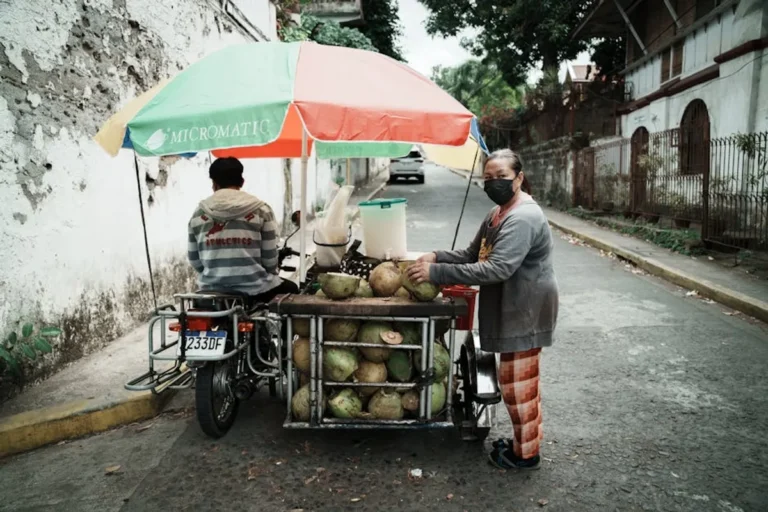
Planning a journey through India presents a significant undertaking, given the country’s vast geographical and cultural diversity. From the Himalayan peaks to the tropical coastlines, and from ancient spiritual centers to bustling modern metropolises, India offers an unparalleled array of experiences. This guide provides a structured approach to navigating these options, focusing on essential destinations, key activities, and practical considerations to ensure an informed and efficient travel plan. This guide provides a structured approach to navigating these options, focusing on essential destinations and travel tips to ensure an informed and efficient travel plan.
Understanding India's Diverse Regions
India can be broadly categorized into distinct regions, each offering unique attractions and experiences. Approaching your itinerary regionally helps in optimizing travel time and aligning destinations with specific interests.
North India: Historical Grandeur and Spiritual Depths
This region encompasses iconic historical sites, spiritual hubs, and the majestic Himalayas.
- The Golden Triangle (Delhi, Agra, Jaipur): Essential for first-time visitors, offering a concentrated experience of Mughal and Rajput history. Delhi provides a blend of ancient and contemporary, Agra hosts the Taj Mahal, and Jaipur showcases opulent palaces and forts.
- Varanasi: One of the oldest continuously inhabited cities globally, situated on the banks of the Ganges. It is a profound spiritual destination, known for its ghats, rituals, and intense atmosphere.
- Ladakh (Jammu & Kashmir): A high-altitude desert region offering stunning landscapes, Buddhist monasteries, and adventure sports like trekking and rafting. Accessible primarily in summer months due to heavy snow.
- Himachal Pradesh & Uttarakhand: Mountain states popular for hill stations like Shimla, Manali, and Rishikesh. Rishikesh is a global center for yoga and meditation, while the other destinations offer scenic beauty and adventure.
South India: Tropical Coasts, Backwaters, and Ancient Temples
Characterized by its Dravidian culture, lush landscapes, and tranquil waterways.
- Kerala: Known as "God's Own Country," famous for its serene backwaters, Ayurvedic treatments, tea plantations, and pristine beaches. Houseboat cruises in Alleppey are a highlight.
- Goa: India's premier beach destination, offering a mix of vibrant nightlife, Portuguese colonial architecture, and relaxed coastal vibes.
- Hampi (Karnataka): A UNESCO World Heritage site, featuring the ruins of the Vijayanagara Empire. Its boulder-strewn landscape and intricate temple carvings are visually striking.
- Tamil Nadu: Home to magnificent Dravidian temples like the Meenakshi Temple in Madurai and the Brihadeeswarar Temple in Thanjavur, showcasing intricate architecture and vibrant rituals.
West India: Desert Forts, Modern Metropolises, and Coastal Charms
A region of contrasts, from the Thar Desert to the Arabian Sea.
- Rajasthan: The "Land of Kings," renowned for its desert forts (Jodhpur, Jaisalmer), romantic palaces (Udaipur), and vibrant culture. Offers unique experiences like desert safaris and traditional folk music.
- Mumbai (Maharashtra): India's financial capital and entertainment hub. A bustling metropolis with colonial architecture, vibrant street life, and iconic landmarks like the Gateway of India.
- Gujarat: Known for its rich cultural heritage, ancient stepwells, wildlife sanctuaries (Gir Forest for Asiatic lions), and the vibrant Rann of Kutch salt marsh.
East India: Cultural Heritage and Untouched Nature
Often less explored, this region offers unique cultural insights and natural beauty.
- Kolkata (West Bengal): The "City of Joy," a cultural and intellectual hub with colonial architecture, bustling markets, and a distinct culinary scene.
- Darjeeling (West Bengal): A famous hill station known for its tea plantations, stunning views of Kangchenjunga, and the UNESCO-listed Darjeeling Himalayan Railway.
- Northeast India (Sikkim, Assam, Meghalaya): A region of breathtaking natural beauty, diverse tribal cultures, and unique wildlife. Offers opportunities for trekking, river rafting, and exploring pristine landscapes.
Essential Travel Considerations for India
Effective planning extends beyond destination selection to practical logistics and cultural preparedness.
Visa and Entry Requirements
Most foreign nationals require a visa to enter India. The e-Visa facility simplifies the application process for tourism, business, and medical visits. Ensure your passport has at least six months validity beyond your intended stay and at least two blank pages.
Best Time to Visit
India experiences diverse climates. Generally, the cooler, dry months from October to March are ideal for most regions. The monsoon season (June to September) brings heavy rainfall, particularly to coastal and central areas, while the summer (April to June) can be intensely hot, especially in the plains and desert regions. Hill stations and Ladakh are best visited during summer.
Transportation Within India
India's transportation network is extensive:
- Trains: Indian Railways is a primary mode of long-distance travel, offering various classes. Booking well in advance is crucial, especially for popular routes.
- Domestic Flights: Efficient for covering long distances quickly, with numerous carriers connecting major cities.
- Taxis and Auto-rickshaws: Widely available for urban travel. Always confirm fares or ensure the meter is used. Ride-sharing apps are also prevalent in larger cities.
- Buses: Range from local public transport to comfortable private coaches for inter-city travel.
Health and Safety Guidelines
Prioritize health and safety throughout your trip.
Pro Tip: Consult your doctor about recommended vaccinations (e.g., Hepatitis A & B, Typhoid, Tetanus) several weeks before travel. Maintain strict food and water hygiene: drink only bottled or filtered water, avoid raw salads, and opt for hot, freshly cooked food. Carry a basic medical kit with essentials for common ailments like diarrhea or minor injuries.
Be aware of your surroundings, especially in crowded areas, and exercise caution with valuables. Research common local scams to avoid falling victim.
Cultural Etiquette
Respect local customs to enhance your experience. Dress modestly, especially when visiting religious sites. Remove shoes before entering temples or homes. Use your right hand for eating and giving/receiving items. Acknowledge greetings with a "Namaste" or "Namaskar."
Beyond Sightseeing: Immersive Experiences
To truly experience India, engage with its culture beyond conventional tourist sites.
- Culinary Exploration: Sample regional specialties from street food to fine dining. Each state boasts a distinct cuisine profile. Consider a food tour for curated experiences.
- Adventure Activities: Trekking in the Himalayas, white-water rafting on the Ganges, wildlife safaris in national parks (e.g., Ranthambore for tigers, Gir for lions), and camel safaris in Rajasthan.
- Wellness and Spirituality: Participate in yoga and meditation retreats, particularly in Rishikesh or Goa. Explore Ayurvedic treatments for holistic well-being.
- Shopping: India is a treasure trove for handicrafts, textiles, spices, and jewelry. Bargaining is common in local markets.
Strategic Travel Planning for India
A successful trip to India hinges on meticulous planning and flexibility. Prioritize specific regions or themes (e.g., historical, spiritual, adventure) to avoid over-scheduling. Allocate sufficient time for travel between destinations, as distances are significant and travel can be slow. Embrace the unexpected; India is a country that rewards adaptability and an open mind. By combining detailed research with an appreciation for local nuances, travelers can craft an enriching and memorable journey.
Frequently Asked Questions
What is a realistic budget for traveling in India?
A realistic budget for India varies significantly. A mid-range budget of $40-70 USD per person per day can cover comfortable accommodation, local transport, food, and some activities. Luxury travel can exceed $150 USD daily, while budget backpackers might manage on $20-30 USD by opting for hostels, public transport, and street food.
How long should I plan for a trip to India?
For a comprehensive experience covering multiple regions, a minimum of three to four weeks is advisable. If focusing on one or two regions, two weeks can offer a fulfilling itinerary. Shorter trips of 7-10 days are best suited for concentrated experiences like the Golden Triangle or a specific state.
Is solo female travel safe in India?
Solo female travel in India requires heightened awareness and precautions. Research destinations thoroughly, choose reputable accommodation, dress modestly, and avoid traveling alone at night. Utilizing trusted local guides and transportation services can enhance safety. Many women travel solo in India successfully by exercising caution and common sense.
What are the essential items to pack for India?
Pack lightweight, breathable clothing suitable for warm weather, with options for modest attire. Include comfortable walking shoes, a wide-brimmed hat, sunglasses, and high-SPF sunscreen. A universal travel adapter, power bank, hand sanitizer, insect repellent, and a reusable water bottle are also crucial. A small backpack for day trips is highly recommended.