Selecting suitable soup recipes for cold weather menus or home consumption requires evaluating not just flavor profiles, but also operational efficiency, ingredient availability, and broad appeal. For businesses, the decision impacts food costs, preparation time, and potential for customer satisfaction and repeat business. For home cooks, it balances comfort with practicality, considering nutritional value and ease of execution. This guide examines a range of cold-weather soup recipes, detailing their commercial viability and practical considerations, enabling informed choices for diverse culinary objectives.
What to Consider When Selecting Cold Weather Soups
When evaluating cold weather soup recipes, several factors extend beyond mere taste to influence their overall utility and success. Ingredient cost and availability are paramount for commercial kitchens, directly impacting profit margins and supply chain reliability. Recipes relying on seasonal or specialty ingredients may offer unique appeal but can introduce volatility in pricing and sourcing. Preparation time and labor requirements are also critical; a complex soup, while delicious, might not be feasible for high-volume operations or busy weeknights. Consider the potential for batch cooking and freezing, which can improve efficiency and reduce waste. Customer or family appeal is another key metric; soups with broad demographic appeal, or those that cater to specific dietary needs (vegetarian, gluten-free), can expand your market reach. Finally, evaluate the versatility of a soup—can it be easily adapted with different garnishes, protein additions, or served as a starter or a main course? These practical considerations ensure that a chosen recipe delivers both culinary satisfaction and operational benefit.
1. Classic French Onion Soup
This iconic soup is characterized by deeply caramelized onions simmered in a rich beef broth, often topped with a crusty baguette slice and melted Gruyère cheese. Its appeal lies in its comforting warmth, savory depth, and elegant presentation. The labor-intensive caramelization process is key to its distinctive flavor, requiring patience and consistent attention to develop the sugars in the onions without burning. Its robust flavor profile makes it a perennial favorite, particularly in cooler months.
Best for: Upscale casual dining, special occasion menus, or as a sophisticated starter. Its distinct flavor profile and presentation elevate a menu.
Pros:
- High perceived value due to complex flavor and presentation.
- Relatively inexpensive base ingredients (onions, broth) can lead to good profit margins.
- Can be prepared in large batches up to the final cheese gratinée stage, improving kitchen efficiency.
- Strong, recognizable brand appeal that draws customers.
Cons:
- Time-consuming onion caramelization process (1-2 hours) impacts labor costs.
- Requires specific cheese (Gruyère) for authenticity, which can be a higher-cost ingredient.
- Not easily adaptable for vegetarian or vegan diets without significant recipe modification.
- Requires individual gratinéeing for each serving, which can slow service during peak times.
Verdict: A commercially strong choice for establishments prioritizing quality and customer experience over rapid production. Its unique appeal can justify a premium price point, but operational flow must accommodate its preparation demands.
2. Hearty Beef Stew Soup
More substantial than a traditional soup, this recipe blurs the line with a stew, featuring tender chunks of beef, robust root vegetables like carrots, potatoes, and celery, all simmered in a rich, herb-infused broth. Its thick consistency and generous ingredients make it a filling meal on its own, embodying rustic comfort. The slow cooking process allows flavors to meld deeply, resulting in a satisfying and deeply savory dish.
Best for: Lunch specials, pub menus, family-style dining, or as a standalone main course. Ideal for satisfying substantial appetites in cold weather.
Pros:
- Extremely satisfying and filling, offering excellent value perception for customers.
- Highly versatile with vegetable additions, allowing for seasonal adjustments or use of available stock.
- Excellent for batch cooking; flavors often improve after a day or two, making it ideal for advance preparation.
- Broad appeal across demographics due to its familiar ingredients and comforting nature.
Cons:
- Long cooking time (2-3 hours) required to tenderize beef, impacting immediate kitchen turnaround.
- Beef can be a higher-cost protein, affecting food cost percentages if not managed carefully.
- Not suitable for vegetarian or vegan diets without complete protein substitution.
- Requires careful portion control to manage food costs due to the generous ingredient list.
Verdict: A reliable menu staple for cold weather, offering significant customer satisfaction. Its slow-cook nature makes it best suited for kitchens that can manage longer preparation times, leveraging batch cooking for efficiency.
3. Creamy Tomato Soup with Basil
This classic soup offers a smooth, velvety texture and a bright, tangy flavor, often enhanced by fresh basil. It can range from simple, pureed tomatoes to more complex versions enriched with cream or coconut milk for added body. Its inherent simplicity allows for various interpretations, from rustic to refined, making it a versatile base for customization. The natural sweetness of ripe tomatoes provides a foundational flavor that appeals to a wide audience.
Best for: Cafes, diners, or as a lunch special, especially when paired with a grilled cheese sandwich. Its comforting familiarity makes it a safe and popular choice.
Pros:
- High customer appeal, especially when paired with complementary items like grilled cheese.
- Relatively quick to prepare, particularly if using canned crushed tomatoes as a base.
- Easily adaptable for dietary needs: can be made vegan with coconut milk or vegetable broth.
- Ingredients are widely available and generally cost-effective, contributing to good margins.
Cons:
- Can be perceived as a basic option, requiring thoughtful presentation or high-quality ingredients to stand out.
- Acidity levels need careful balancing to prevent an overly tart flavor.
- Reliance on quality tomatoes; off-season fresh tomatoes can be expensive and lack flavor, necessitating good canned options.
- May require a high-speed blender for optimal creamy texture, an equipment consideration.
Verdict: A commercially sound choice due to its broad appeal, cost-effectiveness, and adaptability. Its familiarity ensures consistent demand, making it a reliable performer on any menu, especially when executed with fresh, vibrant flavors.
4. Hearty Chicken Noodle Soup
The quintessential comfort food, chicken noodle soup features tender chicken pieces, egg noodles, and diced vegetables like carrots, celery, and onions, all swimming in a clear, savory chicken broth. Its universal appeal stems from its restorative qualities and nostalgic association with home cooking. The simplicity of its ingredients belies the depth of flavor achieved through proper broth preparation and simmering.
Best for: Family restaurants, healthcare facilities, or any establishment aiming for broad, comforting appeal. A staple for cold and flu season menus.
Pros:
- Universal appeal and recognition; a guaranteed crowd-pleaser across all age groups.
- Relatively low food cost, especially when using chicken thighs or leftover roasted chicken.
- Excellent for batch cooking and freezing, enhancing operational efficiency.
- Can be prepared quickly, particularly if using pre-cooked chicken and store-bought broth.
Cons:
- Noodles can absorb a lot of broth and become mushy if stored too long in the soup; often best to add noodles to individual servings or shortly before serving.
- Can be perceived as a basic or common item, requiring attention to ingredient quality and presentation to differentiate.
- Not suitable for vegetarian or vegan diets without significant modification.
- Broth quality is paramount; a weak broth will result in a bland soup.
Verdict: A reliable, high-volume seller that offers consistent customer satisfaction and good profit margins. Its classic status ensures demand, but careful management of noodle texture and broth quality is essential for optimal delivery.
5. Creamy Butternut Squash Soup
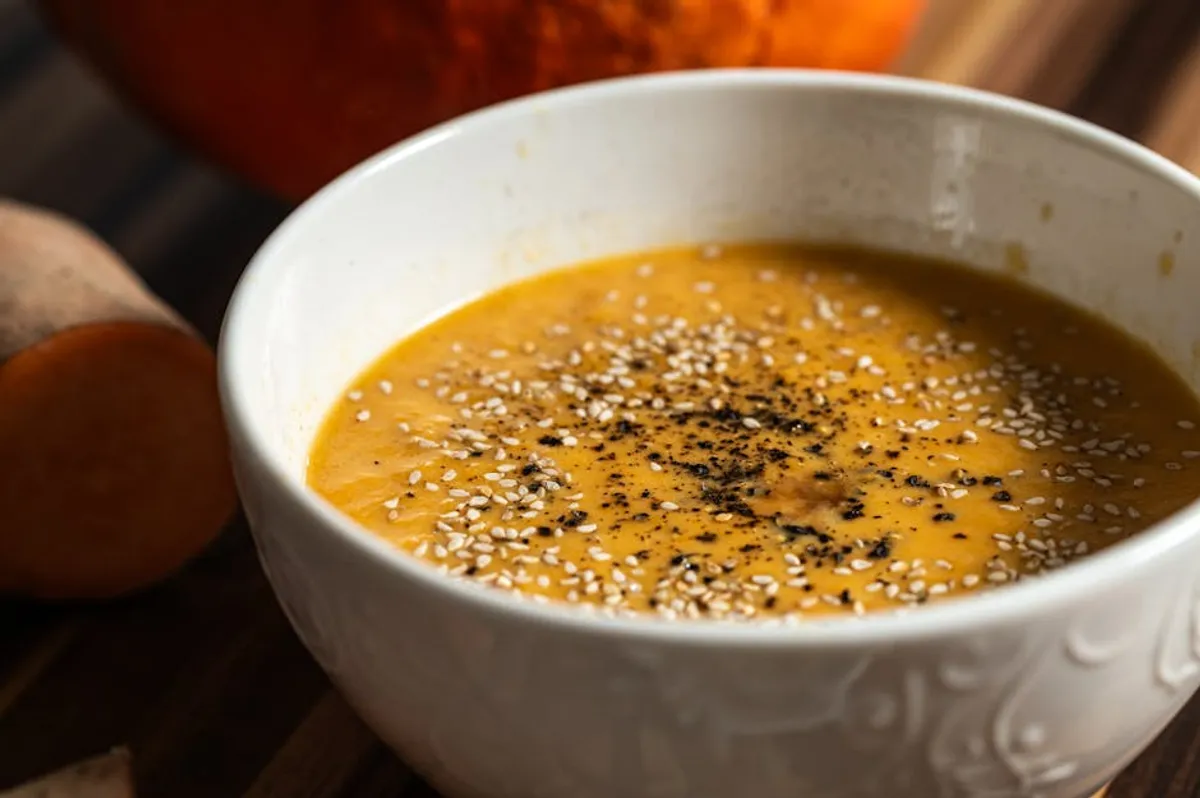
This vibrant orange soup celebrates the natural sweetness of butternut squash, often roasted to enhance its flavor before being pureed with vegetable broth, aromatic spices like nutmeg or sage, and a touch of cream or coconut milk for richness. Its smooth texture and subtly sweet, earthy flavor make it a popular seasonal offering, particularly in autumn and winter. The roasting step adds a layer of depth that raw squash cannot provide.
Best for: Seasonal menus, health-conscious establishments, or as a sophisticated vegetarian option. Appeals to those seeking lighter yet comforting flavors.
Pros:
- Naturally sweet and visually appealing, offering a distinct seasonal draw.
- Easily made vegetarian or vegan, appealing to a wider customer base.
- Butternut squash is generally cost-effective during peak season.
- Excellent for batch cooking and freezing, allowing for efficient preparation.
Cons:
- Squash preparation (peeling, deseeding, chopping) can be labor-intensive if not using pre-cut squash.
- Flavor can be one-dimensional if not balanced with spices and aromatics.
- Seasonal availability of fresh squash can impact cost and quality in off-peak months.
- May require a high-speed blender for the desired smooth, creamy texture.
Verdict: A strong contender for seasonal menus, offering a healthy and visually appealing option with good profit potential. Its labor demands can be mitigated by sourcing pre-cut squash or leveraging efficient kitchen equipment.
6. Classic Lentil Soup
A robust and nutritious soup, classic lentil soup features brown or green lentils simmered with vegetables like carrots, celery, and onions, often in a tomato-based broth with herbs and spices. Its earthy flavor and thick, satisfying texture make it a staple in many cuisines. Lentils provide a significant source of plant-based protein and fiber, making this soup a hearty and healthy option.
Best for: Health-focused menus, vegetarian/vegan-friendly establishments, or as an economical and nutritious option for any dining setting.
Pros:
- Extremely cost-effective due to inexpensive lentil and vegetable base.
- Naturally vegetarian and easily made vegan, catering to diverse dietary needs.
- High in protein and fiber, offering a healthy and satisfying meal option.
- Excellent for batch cooking; flavors deepen upon reheating.
Cons:
- Long cooking time (45-60 minutes) for lentils to become tender.
- Can have a somewhat rustic or "humble" perception, requiring thoughtful presentation to elevate its appeal.
- Texture can become overly thick if not monitored, requiring additional liquid.
- Some may find the earthy flavor too dominant if not balanced with bright elements like lemon or vinegar.
Verdict: A commercially advantageous soup due to its low cost, high nutritional value, and broad dietary appeal. Its long cooking time is offset by its suitability for batch preparation, making it an efficient and profitable menu item.
7. Broccoli Cheddar Soup
This rich and creamy soup combines tender broccoli florets with sharp cheddar cheese, often thickened with a roux and milk or cream. Its vibrant color and indulgent, savory flavor make it a popular choice, particularly for those seeking comfort food. The balance between the slight bitterness of broccoli and the sharpness of cheddar is key to its appeal, creating a harmonious and satisfying profile.
Best for: Cafes, family restaurants, or as a popular lunch item. Its familiar flavors and creamy texture ensure widespread appeal.
Pros:
- High customer appeal, especially among families and those seeking comfort food.
- Relatively quick preparation time, particularly if using pre-cut broccoli.
- Ingredients are widely available and generally affordable.
- Can be made ahead and reheated, though texture may need slight adjustment.
Cons:
- High in dairy and fat, making it unsuitable for vegan or lactose-intolerant diets without significant modification.
- Cheese can sometimes separate or become oily if reheated improperly or held at incorrect temperatures.
- Requires careful seasoning to prevent blandness or an overly cheesy flavor.
- Broccoli can become overcooked and mushy if added too early or cooked too long.
Verdict: A reliable, high-demand soup that delivers on comfort and flavor. Its commercial success hinges on managing dairy components effectively for consistent texture and ensuring proper broccoli cooking to maintain vibrancy and slight bite.
8. Classic Minestrone
Minestrone is a thick, hearty Italian vegetable soup, often including pasta or rice, and typically made with a tomato-based broth. Its defining characteristic is its flexibility, incorporating a wide array of seasonal vegetables, beans, and sometimes a small amount of meat. This adaptability allows for variations based on available ingredients, making each pot potentially unique. It offers a fresh yet warming profile.
Best for: Italian restaurants, family dining, or as a versatile vegetarian option. Its customizable nature makes it a good fit for varying ingredient availability.
Pros:
- Highly versatile; allows for use of seasonal vegetables and leftover ingredients, reducing waste.
- Naturally vegetarian and easily made vegan by omitting cheese or meat, broadening appeal.
- Economical to produce due to reliance on vegetables, beans, and pasta.
- Excellent for batch cooking, with flavors developing further over time.
Cons:
- Pasta or rice can absorb a lot of liquid and become mushy if added too early or stored in the soup for extended periods; best to cook and add separately.
- Requires a diverse range of vegetables, which can increase prep time for chopping.
- Can be perceived as a "kitchen sink" soup if not thoughtfully composed with balanced flavors and textures.
- Broth can become cloudy if not handled carefully, impacting visual appeal.
Verdict: A commercially flexible and cost-effective soup, ideal for operations that value versatility and waste reduction. Managing the pasta component separately is key to maintaining optimal texture and presentation for service.
9. Hearty Split Pea Soup with Ham
This thick, comforting soup features dried green split peas, which break down during cooking to create a naturally creamy texture, often enhanced with savory ham or ham hocks. Vegetables like carrots, celery, and onions contribute to its robust flavor profile. Its satisfying consistency and deep, smoky taste make it a traditional cold-weather favorite, offering substantial sustenance.
Best for: Diners, delis, or establishments seeking a traditional, budget-friendly, and filling soup option. Ideal for using leftover ham bones.
Pros:
- Very economical to produce, as split peas are inexpensive and ham bones can be repurposed.
- Naturally thick and creamy texture without requiring added dairy or thickeners.
- Excellent for batch cooking and freezing, improving kitchen efficiency.
- High in protein and fiber, offering a very filling and nutritious meal.
Cons:
- Long cooking time (1-2 hours) required for split peas to break down fully.
- Can have a somewhat rustic or heavy perception, potentially limiting appeal for some diners.
- Ham content makes it unsuitable for vegetarian or vegan diets.
- Requires careful seasoning, as ham can contribute significant saltiness.
Verdict: A highly cost-effective and satisfying soup, particularly for businesses that can leverage ham trimmings or bones. Its long cooking time is offset by its batch-cooking suitability and high satiety factor, making it a profitable cold-weather staple.
10. New England Clam Chowder
A rich, creamy, and thick soup, New England Clam Chowder is characterized by tender clams, diced potatoes, and often salt pork or bacon, all simmered in a milk or cream base. Its indulgent texture and briny, savory flavor make it a beloved regional specialty, particularly along coastal areas. The balance of sweet clam meat with salty pork and creamy broth defines its distinct profile.
Best for: Seafood restaurants, coastal cafes, or establishments looking to offer a classic, indulgent option. Commands a higher price point due to ingredient cost.
Pros:
- High perceived value and customer demand, especially in regions where it's a staple.
- Distinctive flavor profile that differentiates it from other soup offerings.
- Can be prepared in advance and reheated gently, though best served fresh.
- Offers a premium menu item that can command a higher price.
Cons:
- Higher ingredient cost due to clams and dairy, impacting profit margins if not priced appropriately.
- Not suitable for vegetarian, vegan, or dairy-free diets.
- Requires careful handling to prevent curdling of dairy during cooking or reheating.
- Potatoes can become mushy if overcooked or stored too long in the soup base.
Verdict: A commercially strong choice for specific markets or upscale menus, offering a high-demand, premium product. Success depends on sourcing quality ingredients and meticulous preparation to maintain its delicate texture and rich flavor.
11. Spicy Pork Pozole Rojo
Pozole Rojo is a traditional Mexican stew-like soup, featuring hominy (nixtamalized corn kernels) and tender chunks of pork, all simmered in a rich, red chili broth. The broth derives its color and heat from dried red chilies like guajillo and ancho. Often served with a variety of fresh garnishes such as shredded cabbage, radishes, lime, and avocado, it offers a complex, spicy, and deeply satisfying experience.
Best for: Mexican restaurants, specialty eateries, or adventurous menus seeking a flavorful, hearty, and authentic option. Appeals to those who appreciate a kick of spice.
Pros:
- Offers a unique and authentic flavor profile that stands out on a menu.
- Highly satisfying and filling due to hominy and pork, providing excellent value.
- Can be prepared in large batches; flavors deepen over time, ideal for advance cooking.
- Garnishes allow for customer customization, enhancing the dining experience.
Cons:
- Long cooking time (2-3 hours) required to tenderize pork and develop chili flavors.
- Requires specific chili varieties and hominy, which may not be readily available everywhere.
- Spicy profile may limit appeal for some customers, requiring clear menu descriptors.
- Pork content makes it unsuitable for vegetarian or vegan diets.
Verdict: A commercially viable option for establishments looking to offer a distinct, flavorful, and hearty soup with cultural authenticity. Its longer preparation time is offset by its batch-cooking potential and high customer satisfaction for those who enjoy bold flavors.
12. Miso Ramen with Chashu Pork
Miso Ramen is a Japanese noodle soup featuring a rich, savory broth flavored with miso paste, typically served with springy ramen noodles, tender slices of chashu (braised pork belly), a soft-boiled egg, and various toppings like scallions, nori, and bamboo shoots. Its complex umami flavor and satisfying combination of textures make it a globally popular dish, offering both warmth and substantial nourishment.
Best for: Asian restaurants, specialty noodle shops, or modern cafes seeking a trendy and flavorful main course soup. Appeals to a younger, food-savvy demographic.
Pros:
- High customer demand and perceived value due to its popularity and complex flavor.
- Offers a complete meal in one bowl, simplifying ordering for customers.
- Highly customizable with various toppings, allowing for premium add-ons.
- Broth can be prepared in large batches and frozen, improving kitchen efficiency.
Cons:
- Requires multiple components (broth, chashu, eggs, noodles, toppings), increasing preparation complexity and labor.
- Chashu pork preparation is time-consuming (several hours of braising).
- Noodles must be cooked fresh for each order to maintain optimal texture, impacting service speed.
- Ingredients like specific miso, dashi, and ramen noodles may require specialty sourcing.
Verdict: A commercially strong, high-demand item that can command premium pricing, but requires significant kitchen organization and skill to execute efficiently. Its complexity necessitates streamlined processes and potentially higher labor costs, balanced by its popularity and profitability.
Selecting the Right Soup for Your Menu or Occasion
Choosing the optimal cold weather soup involves a strategic assessment of your operational capabilities and target audience. For high-volume environments, prioritize recipes with cost-effective ingredients, efficient batch-cooking potential, and broad appeal, such as Hearty Chicken Noodle or Classic Lentil Soup. These minimize labor per serving and ensure consistent demand. If your establishment caters to a more discerning clientele or aims for unique offerings, consider options like French Onion or Miso Ramen, which, despite higher labor or ingredient costs, command premium pricing and enhance brand perception through their distinctiveness. Evaluate dietary considerations: including vegetarian or vegan options like Butternut Squash or Minestrone can significantly expand your market reach. Ultimately, the best soup integrates seamlessly with your existing kitchen workflow, aligns with your brand identity, and consistently delivers a satisfying experience to your customers, optimizing both culinary quality and commercial viability.
Frequently Asked Questions About Cold Weather Soups
How can I make soups more cost-effective for a business?
Focus on recipes that utilize inexpensive base ingredients like legumes (lentils, split peas), root vegetables, or less expensive cuts of meat (e.g., chicken thighs, pork shoulder). Maximize batch cooking to reduce labor costs per serving and minimize waste. Utilizing seasonal vegetables when they are most abundant and affordable can also significantly reduce ingredient expenses. Repurposing ingredients, like using ham bones for split pea soup, further enhances cost efficiency.
Can these soups be prepared in advance and frozen?
Many cold weather soups, particularly broth-based or pureed varieties like Lentil, Beef Stew, Butternut Squash, and French Onion (without the cheese topping), freeze exceptionally well. Soups containing pasta or potatoes may have texture issues upon reheating, as these ingredients can become mushy or mealy. For such soups, it's often best to cook and add