Selecting pie flavors that resonate with consumer demand across the calendar year requires a strategic understanding of seasonality, ingredient availability, and market trends. Businesses aiming to optimize their menu offerings and promotional calendars must consider not just taste profiles, but also the operational efficiencies and marketing opportunities each flavor presents. This assessment guides the decision-making process for curating a compelling and commercially viable pie selection that captures seasonal interest and drives sales.
How to Choose Seasonal Pie Flavors
Effective seasonal pie selection hinges on several critical factors beyond mere preference. First, ingredient seasonality directly impacts freshness, cost, and availability, influencing both product quality and profit margins. Leveraging peak-season produce ensures superior flavor and often reduces supply chain complexity. Second, consumer psychology plays a significant role; certain flavors are intrinsically linked to holidays, cultural events, or weather patterns, creating built-in demand. Aligning with these expectations can boost engagement and sales. Third, consider operational feasibility, including ingredient shelf life, preparation complexity, and potential for batch production. Finally, evaluate the marketing potential of each flavor, assessing its visual appeal for promotional content and its ability to generate buzz through limited-time offers or thematic campaigns. A balanced approach across these dimensions leads to a robust and profitable seasonal pie program.
1. Strawberry Rhubarb Pie
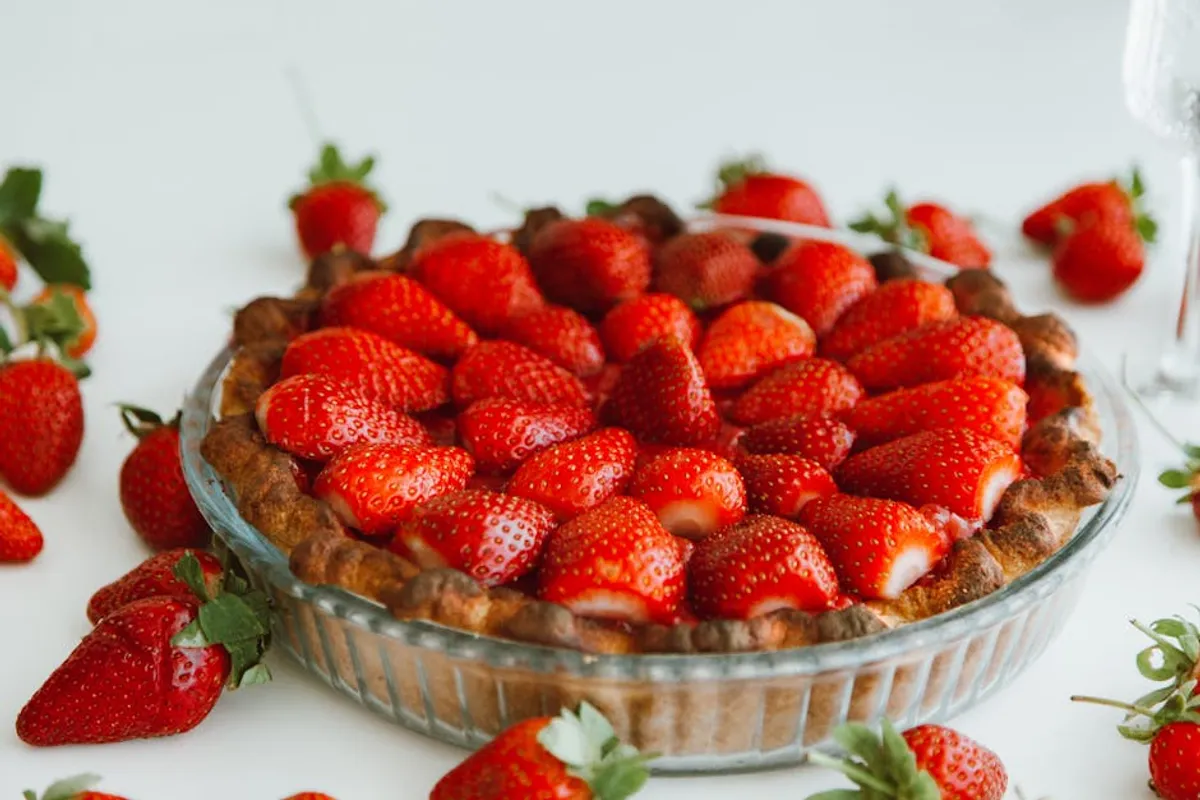
This classic combination signals the arrival of spring with its vibrant, tart rhubarb balanced by the sweet juiciness of fresh strawberries. The flavor profile is bright and refreshing, often featuring a hint of citrus or spice to enhance the fruit. Its visual appeal, with ruby-red filling peeking through a lattice crust, makes it a strong contender for early-season promotions. Ingredient sourcing is straightforward during late spring and early summer, when both fruits are at their peak.
Best for: Spring menus, Mother's Day promotions, farmer's market themes, and customers seeking a balance of sweet and tart.
Pros: Wide appeal and nostalgic value. Visually striking for marketing. Utilizes peak-season ingredients, ensuring freshness and potentially lower costs. Offers a distinct flavor profile that stands out from heavier winter options.
Cons: Rhubarb's seasonality is relatively short, limiting its availability without relying on frozen stock. Requires careful balancing of sweetness to prevent excessive tartness, which can deter some consumers.
Verdict: An essential spring offering that leverages strong seasonal associations and consumer nostalgia. Its unique flavor and visual appeal make it a high-impact choice for early-year menu refreshes.
2. Lemon Meringue Pie
A quintessential spring and summer dessert, Lemon Meringue Pie delivers a sharp, zesty citrus punch contrasted with a sweet, airy meringue topping. The filling, typically a smooth, creamy lemon curd, provides a refreshing counterpoint to richer desserts. Its distinct appearance, with golden-torched meringue peaks, offers significant visual marketing potential, especially for celebratory occasions.
Best for: Spring and summer dessert menus, special events, catering, and consumers who prefer lighter, tangy options over fruit-forward pies.
Pros: High visual appeal and recognizable profile. Offers a refreshing, palate-cleansing experience. Ingredients (lemons, eggs) are readily available year-round, allowing for flexible production. Strong association with celebratory events.
Cons: Meringue can be delicate and prone to weeping or deflating if not prepared or stored correctly, affecting shelf life and presentation. Requires precise technique to achieve optimal texture and stability.
Verdict: A perennially popular choice that offers year-round ingredient availability and strong aesthetic appeal. Its refreshing tang provides a valuable contrast in a diverse pie selection, particularly in warmer months.
3. Key Lime Pie
Originating from the Florida Keys, this pie features a distinctive tart and aromatic lime custard filling, typically set in a graham cracker crust and topped with whipped cream. Its bright, tangy flavor profile evokes tropical warmth and is particularly well-suited for hot weather. The use of key lime juice, known for its unique floral notes, differentiates it from standard lime pies.
Best for: Summer menus, tropical-themed promotions, beachside or outdoor events, and customers seeking a vibrant, tangy, and cooling dessert.
Pros: Distinctive, refreshing flavor with strong regional associations. No baking required for the filling, simplifying production. High consumer recognition and appeal for summer. Visually appealing with its pale green hue and whipped cream topping.
Cons: Key lime juice can be more expensive or harder to source than regular lime juice, impacting cost. The graham cracker crust can be prone to sogginess if not properly sealed or stored. Niche appeal for those who prefer less tart flavors.
Verdict: An excellent summer staple that offers a unique flavor experience and strong seasonal relevance. Its refreshing quality and ease of preparation make it a valuable addition to warm-weather menus.
4. Peach Pie
Peach pie captures the essence of summer with its sweet, juicy, and slightly floral fruit filling. Often enhanced with spices like cinnamon or nutmeg, and sometimes a hint of vanilla or almond, it delivers a comforting yet bright flavor. The soft texture of cooked peaches, encased in a flaky crust, makes it a universally beloved dessert, particularly when peaches are in season.
Best for: Summer menus, BBQ events, Fourth of July celebrations, and customers who appreciate classic, comforting fruit pies.
Pros: Extremely high consumer appeal and familiarity. Utilizes peak-season summer peaches, ensuring optimal flavor and texture. Versatile in presentation, from double-crust to crumb topping. Strong association with summer gatherings and home-style baking.
Cons: Peaches are highly seasonal, requiring frozen fruit for off-season production, which can impact texture and flavor. Fruit quality can vary significantly, necessitating careful sourcing. The pie can become watery if peaches are not properly prepared or thickened.
Verdict: A must-have summer offering that delivers widespread appeal and capitalizes on peak-season fruit. Its comforting flavor profile makes it a reliable choice for driving summer sales and customer satisfaction.
5. Blueberry Pie
Blueberry pie is a quintessential summer dessert, showcasing the sweet and slightly tart flavor of fresh blueberries. The berries, often thickened with cornstarch or flour, burst with juice during baking, creating a rich, vibrant purple filling. A touch of lemon zest or cinnamon often complements the fruit, enhancing its natural sweetness. It's a visually appealing pie, especially with a golden-brown lattice or crumb topping.
Best for: Summer promotions, patriotic holidays, farm-to-table menus, and consumers who enjoy classic, sweet berry flavors.
Pros: Very high consumer popularity and recognition. Blueberries are widely available fresh in summer and frozen year-round, offering production flexibility. Visually attractive, especially with a vibrant filling. Offers a good balance of sweetness and slight tartness.
Cons: Can become runny if not properly thickened, leading to a less desirable texture. Fresh blueberry costs can fluctuate, impacting margins. Some consumers may find it too sweet if not balanced with enough tartness or lemon.
Verdict: A reliable summer performer that benefits from broad appeal and relatively consistent ingredient availability. Its classic status ensures steady demand, making it a foundational element of any summer pie selection.
6. Cherry Pie
Cherry pie, especially made with tart cherries, offers a bold, intensely fruity flavor that balances sweetness with a pleasant sourness. The deep red filling, often glossy and thick, is encased in a flaky crust, making it a visually stunning dessert. It holds strong associations with summer holidays and traditional American baking, particularly around July 4th.
Best for: Summer holiday menus (e.g., Fourth of July), classic American dessert offerings, and customers who prefer a strong, tart fruit flavor.
Pros: Iconic status and strong cultural associations, driving demand. Tart cherries provide a distinctive, vibrant flavor profile. Visually appealing with its rich red filling. Can be made with frozen tart cherries, extending its availability beyond fresh season.
Cons: Fresh tart cherries have a very short season and can be expensive; reliance on frozen product is common. Pitting cherries is labor-intensive. Can be overly tart for some palates if not adequately sweetened.
Verdict: A powerful summer seasonal choice, particularly for patriotic holidays, due to its iconic status and vibrant flavor. While fresh ingredient sourcing is limited, frozen options maintain its year-round viability for targeted promotions.
7. Apple Crumble Pie
Apple Crumble Pie, a variation of the traditional double-crust apple pie, features a buttery, streusel-like topping instead of a top crust. This provides a textural contrast to the soft, spiced apple filling, typically made with a mix of sweet and tart apples like Granny Smith, Honeycrisp, or Fuji. It's a quintessential fall dessert, evoking warmth and comfort.
Best for: Fall menus, Thanksgiving and Halloween promotions, family gatherings, and customers seeking a comforting, spiced fruit pie with textural interest.
Pros: Extremely popular and widely appealing, especially in autumn. Apples are readily available and affordable year-round. The crumble topping offers a unique texture and is often easier to execute than a full top crust. Highly versatile with spice combinations.
Cons: Can become overly sweet or bland if the apple varieties are not balanced correctly. The crumble topping can sometimes be too dry or crumbly if not prepared with the right fat-to-flour ratio. Perceived as a common, less "gourmet" option by some.
Verdict: A foundational fall offering that benefits from universal appeal, consistent ingredient availability, and a comforting flavor profile. Its versatility and ease of production make it a high-volume sales driver during the autumn season.
8. Pumpkin Pie
Pumpkin pie is the undisputed star of autumn and the holiday season, characterized by its smooth, spiced pumpkin custard filling set in a flaky pastry crust. Flavored with cinnamon, nutmeg, ginger, and cloves, it delivers a rich, earthy, and sweet taste profile. Its deep orange hue and classic appearance are instantly recognizable and evoke strong seasonal associations.
Best for: Fall and winter holiday menus (Thanksgiving, Christmas), seasonal promotions, and customers seeking a traditional, comforting dessert.
Pros: Unparalleled seasonal demand and cultural significance during the fall and winter holidays. Canned pumpkin puree is consistently available and cost-effective, simplifying production. Offers a unique, spiced flavor profile distinct from fruit pies. High recognition and broad appeal.
Cons: Highly seasonal demand means sales outside of fall/winter are significantly lower. Some consumers find the texture too uniform or the spice blend too strong. Requires careful baking to prevent cracking or overcooking of the custard.
Verdict: An indispensable seasonal offering with immense demand during its peak. Its strong cultural ties and consistent ingredient availability make it a non-negotiable for any fall and winter pie selection, despite its limited year-round appeal.
9. Pecan Pie
Pecan pie is a rich, sweet, and nutty dessert, featuring a gooey, caramel-like filling packed with toasted pecans, all nestled in a buttery crust. Often made with corn syrup, brown sugar, and eggs, it provides a dense, satisfying texture and a deep, complex sweetness. It's a traditional holiday pie, particularly popular in the Southern United States, and well-suited for cooler weather.
Best for: Fall and winter holiday menus (Thanksgiving, Christmas), Southern-themed promotions, and customers who prefer rich, sweet, and nutty desserts.
Pros: High demand during the holiday season. Pecans are widely available year-round. Offers a distinct texture and flavor profile that differentiates it from fruit or custard pies. Perceived as a decadent, indulgent treat.
Cons: Can be very sweet, potentially limiting its appeal to some palates. Pecans can be an expensive ingredient, impacting cost of goods. The rich, dense nature can be heavy for some consumers. Requires precise baking to ensure the filling sets correctly without becoming rubbery.
Verdict: A robust performer for the holiday season, offering a rich and indulgent option that complements lighter fare. Its strong seasonal demand and consistent ingredient availability make it a valuable addition for targeted fall and winter sales.
10. Sweet Potato Pie
Sweet Potato Pie is a Southern comfort classic, featuring a smooth, spiced custard filling made from mashed sweet potatoes. Similar to pumpkin pie in texture and spice profile (cinnamon, nutmeg, ginger), it offers a slightly sweeter, earthier flavor with a less pronounced "pumpkin" taste. It's a staple during the fall and winter holidays, particularly Thanksgiving.
Best for: Fall and winter holiday menus, Southern comfort food themes, and customers seeking a less common but equally traditional alternative to pumpkin pie.
Pros: Strong cultural significance and demand during the holiday season, especially in certain regions. Sweet potatoes are readily available and affordable year-round. Offers a slightly different flavor profile than pumpkin, appealing to those seeking variety. Rich and comforting texture.
Cons: Demand is highly seasonal, similar to pumpkin pie. Can be mistaken for pumpkin pie by some consumers, requiring clear differentiation. Mashing sweet potatoes can be more labor-intensive than using canned pumpkin puree. Texture can vary based on sweet potato preparation.
Verdict: A strong contender for fall and winter menus, providing a comforting and culturally significant alternative to pumpkin pie. Its consistent ingredient availability and distinct flavor make it a valuable option for expanding holiday offerings.
11. Mince Pie
Mince pie is a traditional British Christmas pastry, filled with "mincemeat"—a rich, spiced mixture of dried fruits, nuts, suet (or vegetable shortening), and often brandy or rum. While originally containing meat, modern versions are typically vegetarian. It's a small, individual pie, intensely flavorful and aromatic, strongly associated with the festive winter season.
Best for: Winter holiday menus, particularly Christmas and New Year's, European-themed promotions, and customers seeking traditional, rich, and spiced festive treats.
Pros: Extremely strong seasonal and cultural association with Christmas, driving niche but intense demand. Long shelf life for mincemeat filling, allowing for advance preparation. Offers a unique, complex flavor profile distinct from other pies. Individual size is convenient for portion control and catering.
Cons: Very specific, limited seasonal appeal; virtually no demand outside of the winter holidays. The rich, intense flavor and texture may not appeal to all palates, particularly those unfamiliar with traditional mincemeat. Ingredient list for mincemeat can be extensive and preparation time-consuming if made from scratch.
Verdict: A highly specialized, high-impact winter holiday offering that caters to a specific, tradition-driven market. While its demand window is narrow, its cultural significance makes it an essential inclusion for a comprehensive festive pie selection.
12. Chocolate Silk Pie
Chocolate Silk Pie features a rich, smooth, and intensely chocolatey filling, often made with melted chocolate, butter, eggs, and sugar, set in a chocolate cookie or traditional pastry crust. It's typically topped with a generous layer of whipped cream or chocolate shavings. This pie offers a decadent, indulgent experience, suitable for any time of year but particularly comforting in colder months.
Best for: Year-round dessert menus, special occasions, Valentine's Day, and customers seeking a rich, luxurious, and intensely chocolate-flavored treat.
Pros: High universal appeal for chocolate lovers. Ingredients are readily available year-round. Offers a rich, indulgent experience, often perceived as a premium dessert. Visually appealing with its dark filling and white whipped cream contrast. No baking required for the filling, simplifying production.
Cons: Can be very rich, potentially limiting portion size or appeal to those preferring lighter desserts. Chocolate quality significantly impacts flavor, requiring careful sourcing. Requires proper chilling to set the filling, impacting production time. Perceived as less "seasonal" than fruit pies.
Verdict: A versatile, high-demand pie with year-round appeal, particularly strong during cooler seasons when comfort foods are favored. Its decadent profile ensures it remains a popular choice for special occasions and chocolate enthusiasts.
Measuring Success with Seasonal Pie Offerings
Evaluating the performance of seasonal pie flavors extends beyond simple sales volume. Key metrics include week-over-week or month-over-month sales comparisons for specific seasonal offerings, tracking average order value when a seasonal pie is included, and monitoring customer feedback through surveys or online reviews. Pay attention to ingredient waste and spoilage rates, which directly impact profitability. Analyze marketing campaign effectiveness by tracking engagement rates on social media posts featuring seasonal pies and conversion rates from email promotions. Repeat purchase rates for customers who tried a seasonal pie can indicate long-term appeal. Finally, consider the halo effect—do seasonal offerings draw new customers who then try other menu items? A holistic view of these data points provides actionable insights for refining future seasonal menus and optimizing inventory management.
Frequently Asked Questions
What is the primary benefit of offering seasonal pie flavors?
The primary benefit is aligning with consumer demand and expectations, which are often tied to holidays, cultural events, and fresh ingredient availability. This alignment can drive increased sales, enhance brand relevance, and allow for dynamic marketing campaigns.
How far in advance should I plan for seasonal pie ingredients?
Planning for seasonal pie ingredients should ideally begin 2-3 months in advance for highly seasonal fruits or specialty items. This allows for securing optimal pricing, ensuring availability, and managing supply chain logistics, especially for large-volume production.
Can I use frozen fruit for seasonal pies outside of peak season?
Yes, using high-quality frozen fruit is a common and effective strategy for extending the availability of seasonal pie flavors beyond their fresh harvest window. Adjustments to thickening agents or baking times may be necessary to account for the extra moisture in frozen fruit.
How do I market seasonal pies effectively?
Effective marketing for seasonal pies involves creating compelling visual content for social media, developing limited-time offers, crafting themed email campaigns, and collaborating with local influencers or community events. Highlighting the freshness of ingredients and the tie-in to current holidays or weather can boost engagement.
Should I rotate seasonal pies quickly or keep them longer?
The rotation speed depends on the specific flavor's appeal and ingredient availability. Highly seasonal flavors like pumpkin or mince pie typically have a shorter, intense run. More versatile seasonal options, such as apple or blueberry, can be extended as long as demand and ingredient quality remain high. Monitor sales data to inform rotation decisions.
How do seasonal pies impact overall menu diversity?
Seasonal pies significantly enhance menu diversity by introducing new flavor profiles, textures, and ingredient combinations that differ from year-round staples. This keeps the menu fresh and exciting for returning customers, providing variety and catering to evolving preferences throughout the year.