Exploring the culinary landscape of Latin America means navigating a rich tapestry of flavors, techniques, and cultural narratives. From the bustling street food stalls of Mexico City to the coastal kitchens of Peru, each dish offers a distinct experience, shaped by local ingredients and centuries of tradition. For those seeking to expand their palate, understand regional specialties, or simply identify the next memorable meal, discerning which dishes genuinely represent the breadth and depth of Latin American cuisine is key. This curated selection focuses on dishes renowned for their authentic character, widespread appeal, and significant cultural footprint, providing a practical guide for culinary exploration.
How to Approach Latin American Cuisine
When embarking on a culinary journey through Latin America, consider several factors to ensure a rewarding experience. First, prioritize authenticity; seek out establishments or recipes that adhere to traditional preparation methods and local ingredient sourcing. This often means looking beyond tourist-centric venues to local markets, family-run restaurants, or specialized eateries. Second, embrace regional variations. Many dishes, like empanadas or ceviche, have distinct interpretations across different countries or even within regions of the same country. Understanding these nuances enriches the tasting experience and highlights the diversity of the continent's food culture. Finally, consider the context of the dish – whether it's a celebratory meal, a street-side snack, or a comforting home staple. This contextual understanding deepens appreciation for its role in daily life and cultural heritage.
1. Tacos al Pastor
Tacos al Pastor are a cornerstone of Mexican street food, originating from Lebanese immigrants who brought spit-grilled meat techniques to Puebla. Marinated pork, often with achiote, spices, and dried chiles, is cooked on a vertical rotisserie (trompo), then thinly sliced directly into warm corn tortillas. Toppings typically include finely diced onion, cilantro, and a sliver of pineapple, providing a crucial sweet and acidic counterpoint to the savory meat. The preparation method ensures a distinctive char and tender texture, making it a highly sought-after dish.
Best for: Street food enthusiasts, quick and flavorful meals, those new to authentic Mexican cuisine.
Pros: Complex flavor profile from the marinade and cooking method; highly customizable with various salsas; widely available in Mexico and increasingly in international cities.
Cons: Can be messy to eat; authentic preparation requires specialized equipment (trompo), which limits home preparation; quality varies significantly between vendors.
Verdict: An essential culinary experience for anyone visiting Mexico or exploring its cuisine. The balance of savory pork, sweet pineapple, and fresh herbs creates an addictive and deeply satisfying dish that exemplifies Mexican street food culture.
2. Ceviche
Ceviche, a dish with strong roots in Peru and Ecuador, features fresh raw fish or seafood cured in citrus juices, typically lime or bitter orange. The acidity denatures the proteins, effectively "cooking" the seafood without heat. Essential accompaniments include red onion, cilantro, and often aji (chili peppers) for a subtle heat. Peruvian ceviche frequently includes sweet potato and corn (choclo), while Ecuadorian versions might incorporate tomato and shrimp. The key is the freshness of the seafood and the precise balance of acidic and aromatic components.
Best for: Seafood lovers, warm climates, light and refreshing meals, those seeking a healthy option.
Pros: Exceptionally fresh and vibrant flavors; low-carb and high-protein; offers a unique culinary technique of "cooking" with acid; highly customizable with different seafood and garnishes.
Cons: Requires very high-quality, fresh seafood to be safe and enjoyable; preparation is time-sensitive; may not appeal to those unaccustomed to raw fish textures.
Verdict: A quintessential South American dish that showcases the brilliance of simple, fresh ingredients. Its bright, tangy profile makes it an ideal choice for a light lunch or appetizer, particularly in coastal regions.
3. Arepas
Arepas are versatile, gluten-free cornmeal patties that serve as a staple food in Colombia and Venezuela. Made from a special pre-cooked corn flour (masarepa), they are typically grilled, baked, or fried to achieve a crispy exterior and soft, fluffy interior. In Venezuela, arepas are often split and generously stuffed with a wide array of fillings, from shredded beef (carne mechada) and black beans to cheese and avocado. Colombian arepas are generally thinner and often served plain or with simple toppings like butter and cheese, accompanying larger meals.
Best for: Breakfast, quick meals, customizable dining, gluten-sensitive individuals, comfort food.
Pros: Extremely versatile with endless filling possibilities; naturally gluten-free; satisfying and filling; can be prepared quickly for a meal or snack.
Cons: Can be bland if not properly seasoned or filled; requires specific corn flour (masarepa) for authentic texture; quality depends heavily on the freshness of preparation.
Verdict: An incredibly adaptable and comforting food that offers a true taste of home for many in the Andean region. Their simplicity allows for diverse culinary creativity, making them a must-try for any food explorer.
4. Empanadas
Empanadas are savory pastries found throughout Latin America, each country and region boasting its unique variations. These crescent-shaped dough pockets are typically filled with a mixture of meat (beef, chicken), cheese, vegetables, or even fruit, then baked or fried until golden. Argentine empanadas often feature finely diced beef, olives, and hard-boiled eggs, while Chilean versions are larger and include ground beef, onion, and raisins. The dough itself can vary from flaky, puff pastry-like to a more robust cornmeal or wheat flour base.
Best for: Portable snacks, appetizers, party food, catering to diverse tastes with various fillings.
Pros: Highly portable and convenient; wide range of fillings caters to different preferences; satisfying texture from the crispy crust and savory interior; culturally significant across multiple countries.
Cons: Can be greasy if fried; quality varies greatly depending on filling and dough preparation; some versions can be heavy.
Verdict: A universally beloved Latin American staple that offers a delicious and practical way to experience regional flavors. Their versatility and convenience make them an excellent choice for casual dining or on-the-go enjoyment.
5. Feijoada
Feijoada is Brazil's national dish, a rich and hearty stew primarily made with black beans and various cuts of pork and beef. Traditional preparations incorporate smoked sausage, dried beef, pork ribs, and sometimes pig's ears or trotters, slow-cooked until the flavors meld into a deep, savory broth. It is typically served with white rice, collard greens (couve refogada), farofa (toasted cassava flour), and orange slices to cut through the richness. Feijoada is often a celebratory meal, traditionally enjoyed on Wednesdays and Saturdays.
Best for: Hearty meals, colder weather, communal dining, experiencing Brazilian culinary tradition.
Pros: Deep, complex flavors developed through slow cooking; incredibly satisfying and filling; represents a significant cultural experience in Brazil; excellent for sharing.
Cons: Very heavy and rich; preparation is time-consuming; may contain cuts of meat unfamiliar to some palates; high calorie count.
Verdict: A profound culinary experience that embodies Brazilian comfort food and communal spirit. While demanding in preparation, the resulting depth of flavor and cultural significance make it an unforgettable dish.
6. Asado
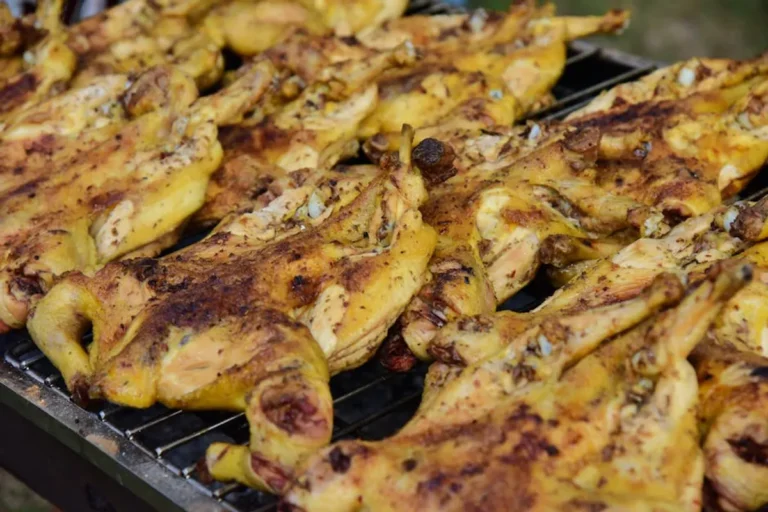
Asado refers to both the technique of grilling meat and the social event surrounding it, particularly prominent in Argentina and Uruguay. It's not just a meal but a cultural ritual, centered around various cuts of beef (such as flank steak, short ribs, or sirloin), lamb, or pork, slow-cooked over an open flame or embers. The simplicity of seasoning—often just coarse salt—allows the quality of the meat and the skill of the asador (grill master) to shine. Accompaniments usually include chimichurri sauce, salads, and bread.
Best for: Meat lovers, social gatherings, outdoor cooking, experiencing South American grilling traditions.
Pros: Showcases high-quality meat with minimal intervention; creates incredibly tender and flavorful results; fosters a strong communal dining experience; adaptable to various cuts of meat.
Cons: Requires specific grilling expertise and equipment; can be time-consuming; primarily meat-focused, offering fewer options for vegetarians; quality is highly dependent on meat source.
Verdict: More than just a meal, Asado is a celebration of South American culture and a testament to the art of grilling. For those who appreciate well-prepared meat and a convivial atmosphere, it's an unparalleled experience.
7. Pupusas
Pupusas are thick, handmade corn tortillas originating from El Salvador, often considered the national dish. They are typically filled with a variety of ingredients, such as cheese (quesillo), refried beans, chicharrón (fried pork belly), or a combination known as revueltas. The filled tortillas are then cooked on a comal (griddle) until golden brown and slightly puffed. Pupusas are traditionally served with curtido, a lightly fermented cabbage slaw, and a mild tomato salsa, which provide a crucial acidic contrast to the rich, warm pupusa.
Best for: Casual dining, comfort food, vegetarian options (cheese and bean fillings), exploring Central American street food.
Pros: Inexpensive and widely available in El Salvador; highly customizable with various fillings; satisfyingly warm and savory; naturally gluten-free.
Cons: Can be heavy; quality varies significantly by vendor; requires a specific skill to make well at home; often served with fried elements which can be greasy.
Verdict: A delightful and comforting dish that perfectly encapsulates Salvadoran culinary identity. The combination of the warm, soft pupusa with the tangy curtido is a simple yet profoundly satisfying experience.
8. Gallo Pinto
Gallo Pinto is a quintessential breakfast staple in Costa Rica and Nicaragua, though it's enjoyed throughout the day. This dish consists of rice and black beans stir-fried together, often with finely diced bell peppers, onion, and cilantro, seasoned with Lizano sauce (a Worcestershire-like condiment unique to Costa Rica) or other local spices. The mixture is typically served with fried or scrambled eggs, sour cream (natilla), fried plantains, and sometimes a side of cheese or tortillas. The key is the harmonious blend of flavors and textures, with each grain of rice distinct yet coated in the bean mixture.
Best for: Breakfast, hearty and inexpensive meals, vegetarian-friendly, experiencing Central American daily life.
Pros: Nutritious and filling; cost-effective; versatile as a base for various additions; vegetarian-friendly; offers a unique flavor profile with Lizano sauce.
Cons: Can be repetitive if eaten daily; preparation requires some technique to prevent mushiness; availability of key local ingredients like Lizano sauce may be limited outside the region.
Verdict: A foundational dish that provides a satisfying and culturally immersive start to the day in Costa Rica and Nicaragua. Its simplicity belies a deeply comforting and flavorful experience.
9. Ropa Vieja
Ropa Vieja, meaning "old clothes" in Spanish, is a classic Cuban dish featuring shredded flank steak slow-cooked in a rich tomato-based sauce with bell peppers, onions, and garlic. The name refers to the appearance of the shredded meat, resembling tattered rags. The long cooking time renders the meat incredibly tender and allows it to absorb the savory flavors of the sofrito base. It is traditionally served with white rice, black beans, and fried plantains (maduros), creating a balanced and flavorful meal.
Best for: Comfort food, slow-cooked meals, experiencing Cuban culinary heritage, family dinners.
Pros: Incredibly tender and flavorful meat; rich and aromatic sauce; pairs well with traditional Cuban sides; excellent for meal prepping as flavors deepen over time.
Cons: Requires significant cooking time (though much of it is passive); preparation can be involved; may be heavy for some palates.
Verdict: A deeply satisfying and historically rich dish that showcases the comforting warmth of Cuban home cooking. Its tender meat and flavorful sauce make it a standout choice for those seeking a hearty, traditional meal.
10. Ajiaco
Ajiaco is a traditional Colombian soup, particularly famous in Bogotá and the Andean region. It's a rich, creamy chicken and potato soup characterized by the use of three distinct types of potatoes: sabanera (firm), pastusa (floury), and criolla (small, yellow, and very floury, dissolving to thicken the soup). The unique herb guascas is crucial for its distinctive flavor. Ajiaco is typically served with capers, sour cream, and a slice of avocado, allowing diners to customize each spoonful. It's a comforting and substantial meal, especially in cooler climates.
Best for: Comfort food, cold weather, experiencing Colombian culinary specialties, those who enjoy hearty soups.
Pros: Deeply comforting and nourishing; unique flavor profile from guascas and the three potato varieties; highly customizable with toppings; a complete meal in one bowl.
Cons: Requires specific ingredients (guascas, specific potato types) that may be hard to find outside Colombia; preparation can be somewhat involved; may be too heavy for lighter appetites.
Verdict: A unique and deeply comforting soup that offers a true taste of Bogotá. Its complex texture from the potatoes and the distinctive aroma of guascas make it a memorable and essential Colombian dish.
11. Moqueca
Moqueca is a Brazilian seafood stew, with two main regional variations: Moqueca Capixaba (from Espírito Santo) and Moqueca Baiana (from Bahia). Moqueca Capixaba is lighter, made with olive oil, tomatoes, onions, garlic, and cilantro, often featuring white fish and shrimp. Moqueca Baiana, influenced by Afro-Brazilian culinary traditions, incorporates palm oil (dendê), coconut milk, and often bell peppers, giving it a richer, more vibrant orange hue and a distinct flavor. Both are slow-cooked in a clay pot, resulting in tender seafood and a fragrant, flavorful broth, typically served with rice and farofa.
Best for: Seafood lovers, experiencing regional Brazilian cuisine, those who enjoy rich and aromatic stews.
Pros: Incredibly flavorful and aromatic; showcases fresh seafood; offers distinct regional variations for different palates; visually appealing with vibrant colors.
Cons: Requires fresh, high-quality seafood; Moqueca Baiana uses dendê oil, which has a strong, acquired taste for some; can be relatively expensive due to seafood content.
Verdict: A truly exquisite Brazilian dish that highlights the country's diverse culinary influences and abundant seafood. Whether opting for the lighter Capixaba or the richer Baiana, it promises a deeply satisfying and aromatic experience.
12. Pastel de Choclo
Pastel de Choclo is a savory corn pie popular in Chile, Peru, Argentina, and other Andean countries. It features a creamy, slightly sweet purée of fresh corn (choclo) as a topping, baked over a filling (pino) of ground beef, onions, olives, and hard-boiled eggs. The corn topping often includes basil, adding an aromatic dimension. The dish is baked until the corn topping is golden brown and slightly caramelized. It's a comforting, hearty meal that balances sweet and savory elements, often served as a main course.
Best for: Comfort food, family meals, experiencing Andean cuisine, those who enjoy sweet and savory combinations.
Pros: Unique blend of sweet corn and savory meat filling; deeply comforting and filling; excellent for communal dining; can be made ahead and reheated.
Cons: Preparation can be time-consuming, especially processing fresh corn; can be heavy; some may find the sweet-savory combination unusual; quality depends on corn freshness.
Verdict: A wonderfully comforting and distinctive dish that beautifully marries the flavors of fresh corn with a savory meat filling. It offers a unique taste of Andean culinary tradition, perfect for a hearty family meal.
Choosing Your Next Culinary Adventure
Selecting the ideal Latin American dish depends on several factors, including your preferred flavor profiles, dietary considerations, and the context of your meal. If you prioritize freshness and a vibrant, acidic kick, ceviche is an excellent starting point. For those seeking hearty, slow-cooked comfort, feijoada or ropa vieja deliver profound depth. Street food enthusiasts will find tacos al pastor and pupusas offer immediate satisfaction and cultural immersion. Consider the availability of authentic ingredients if attempting home preparation, or seek out specialized restaurants that excel in the specific regional cuisine. Ultimately, the best choice is one that aligns with your adventurous spirit and opens a door to new culinary understanding. When preparing at home, ensure you have authentic Mexican food experiences by sourcing the best ingredients.
Frequently Asked Questions
What defines Latin American cuisine?
Latin American cuisine is characterized by its diverse regional ingredients—such as corn, beans, potatoes, and various chiles—and a rich blend of indigenous, European (especially Spanish and Portuguese), and African culinary influences. This fusion results in a wide array of flavors, from spicy and tangy to rich and savory.
Are all Latin American foods spicy?
No, not all Latin American foods are inherently spicy. While chiles are a fundamental ingredient in many cuisines, particularly Mexican and Central American, their use varies from mild to intensely hot. Many dishes, like Brazilian feijoada or Colombian ajiaco, focus on savory, rich, or herbaceous flavors rather than heat. Spiciness is often adjustable with accompanying salsas or condiments.
Is Latin American food generally healthy?
Latin American cuisine encompasses a broad spectrum of dishes, some of which are very healthy due to their reliance on fresh vegetables, lean proteins, and whole grains like corn and beans. Dishes like ceviche, gallo pinto, and many vegetable-based stews can be highly nutritious. However, like any cuisine, there are also richer, fried, or meat-heavy options. Portion control and preparation methods (e.g., baked vs. fried empanadas) play a significant role in overall healthfulness.
What are common staple ingredients in Latin American cooking?
Common staple ingredients include corn (used for tortillas, tamales, arepas), beans (black beans, pinto beans), rice, potatoes, plantains, various types of chiles, cilantro, onions, garlic, and citrus fruits like lime and bitter orange. Meats such as beef, pork, and chicken are also widely consumed, as is a variety of fresh seafood in coastal regions.
How can I find authentic Latin American food outside of Latin America?
To find authentic Latin American food, seek out restaurants in neighborhoods with a strong Latin American diaspora, often indicated by specialty grocery stores or cultural centers. Look for establishments with menus written in Spanish or Portuguese, and those frequented by members of the specific cultural community. Online reviews can also highlight places praised for their authenticity rather than just general appeal.