Exploring Jamaican cuisine offers a vibrant journey through a rich tapestry of flavors, influenced by African, Indian, Spanish, British, and Chinese culinary traditions. This diversity results in dishes that range from fiery and complex to comforting and subtly spiced, each telling a story of the island's history and cultural fusion. For those new to Jamaican food, or looking to deepen their appreciation, understanding the core characteristics of popular dishes is key to a satisfying experience. This guide navigates the essential flavors, common ingredients, and preparation methods that define the island's most celebrated meals, helping you identify dishes that align with your taste preferences and culinary curiosity.
Understanding Jamaican Flavors: What to Consider Before You Try
Before diving into specific dishes, consider the foundational elements of Jamaican cooking. Spice levels vary significantly; while jerk seasoning is famously hot, many dishes achieve warmth and depth through allspice, thyme, scotch bonnet peppers (used judiciously), and a blend of aromatic herbs rather than overwhelming heat. Key ingredients like coconut milk, various legumes (peas and beans), fresh seafood, and a range of ground provisions (root vegetables like yam, dasheen, and sweet potato) are staples. Preparation often involves slow cooking, stewing, or grilling over pimento wood, which imparts distinct smoky notes. When selecting, think about your preference for meat (chicken, goat, oxtail, fish), vegetables, and your tolerance for heat. Authentic Jamaican food emphasizes fresh, local produce and a balance of sweet, savory, and spicy elements, promising a unique sensory experience with every bite.
1. Jerk Chicken
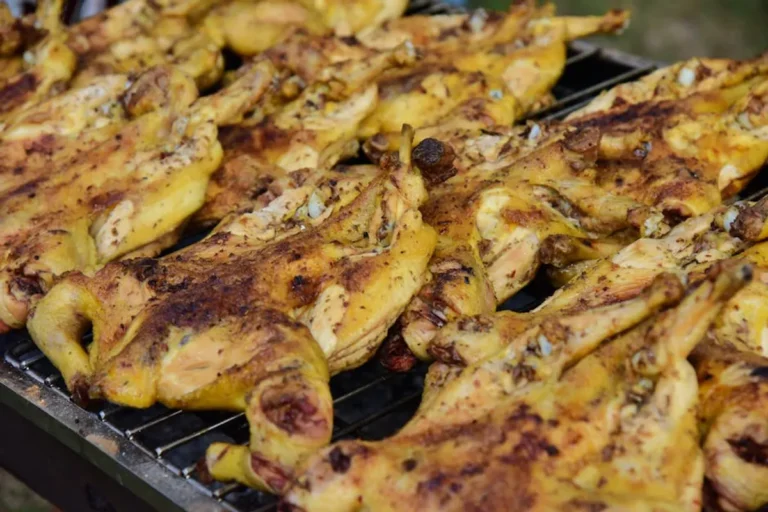
Jerk Chicken stands as Jamaica's most iconic culinary export, celebrated globally for its distinctive flavor profile and cooking method. The chicken is traditionally marinated for hours in a potent blend of scotch bonnet peppers, allspice (pimento), thyme, garlic, ginger, and other spices, then slow-cooked over pimento wood charcoal. This process imbues the meat with a smoky, spicy, and deeply aromatic essence, resulting in tender, fall-off-the-bone chicken with a charred, flavorful skin. The heat level can vary, but authentic jerk always delivers a significant, lingering warmth that is balanced by the complex spice mixture.
Best for: Diners seeking an authentic, bold, and spicy Jamaican experience, particularly those who appreciate smoky grilled meats.
Pros: Unmistakable, complex flavor; tender texture; embodies the essence of Jamaican cooking; widely available.
Cons: Can be very spicy for sensitive palates; preparation time is extensive, making home cooking less spontaneous; quality varies greatly depending on authenticity of cooking method.
Verdict: An essential experience for any visitor or culinary explorer, Jerk Chicken offers a masterclass in flavor balance and traditional cooking techniques, justifying its global renown.
2. Ackee and Saltfish
Ackee and Saltfish is Jamaica's national dish, a quintessential breakfast staple that also appears at other meals. It combines boiled and sautéed salt cod (saltfish) with ackee, a unique fruit that, when cooked, has a creamy texture and mild, slightly nutty flavor reminiscent of scrambled eggs. The dish is typically prepared with onions, bell peppers, tomatoes, and scotch bonnet pepper, creating a savory, aromatic, and subtly spicy combination. Its distinctive appearance and taste make it a must-try for those exploring the breadth of Jamaican cuisine.
Best for: Adventurous eaters seeking a truly unique and traditional Jamaican breakfast or brunch item; seafood and vegetable enthusiasts.
Pros: Highly distinctive flavor and texture; culturally significant; offers a savory, comforting profile; relatively healthy.
Cons: Ackee must be prepared correctly to be safe (unripe ackee is toxic); saltfish requires desalting, adding preparation time; some may find the texture unusual.
Verdict: This dish is a cornerstone of Jamaican identity, offering a delicate balance of savory and creamy notes that is both comforting and uniquely exotic.
3. Oxtail Stew
Jamaican Oxtail Stew is a rich, hearty, and deeply flavorful dish, celebrated for its tender meat and thick, savory gravy. Oxtail pieces are slow-braised until incredibly tender, often falling off the bone, in a robust sauce made with broad beans, carrots, potatoes, butter beans, and a medley of spices including allspice, thyme, and scotch bonnet pepper. The long cooking process allows the collagen from the oxtail to break down, enriching the gravy and imparting a luxurious, sticky texture. It's typically served with rice and peas, soaking up every drop of the intensely flavored sauce.
Best for: Those who appreciate slow-cooked, rich, and comforting meat dishes with deep savory flavors and tender textures.
Pros: Exceptionally tender and flavorful meat; rich, complex gravy; very filling and satisfying; a true comfort food.
Cons: Requires significant cooking time; can be a heavier dish; not suitable for those avoiding red meat.
Verdict: A testament to the power of slow cooking, Oxtail Stew delivers a profound depth of flavor and a supremely tender experience, making it a highly rewarding choice.
4. Curry Goat
Curry Goat is a staple across Jamaica, reflecting the island's Indian culinary influences adapted with local ingredients and spices. Chunks of goat meat are slow-cooked in a vibrant, aromatic curry sauce featuring a blend of curry powder, scotch bonnet pepper, ginger, garlic, thyme, and often potatoes and carrots. The long stewing process tenderizes the goat meat, allowing it to absorb the complex flavors of the curry, resulting in a rich, slightly spicy, and deeply satisfying dish. The curry is typically less creamy than South Asian versions, focusing more on earthy spice notes.
Best for: Enthusiasts of aromatic, savory, and moderately spicy stews; those open to trying less common meats prepared with traditional methods.
Pros: Tender, flavorful meat; rich, aromatic sauce; distinct blend of spices; a hearty and fulfilling meal.
Cons: Goat meat can have a stronger flavor than other meats, which may not appeal to everyone; contains bones; can be spicy.
Verdict: Curry Goat showcases Jamaica's ability to fuse global flavors into uniquely local creations, offering a robust and aromatic curry experience distinct from other regional variations.
5. Escovitch Fish
Escovitch Fish is a vibrant and tangy dish, typically featuring a whole fried fish (often snapper or kingfish) marinated and then topped with a piquant sauce made from vinegar, onions, carrots, bell peppers, and scotch bonnet peppers. The fish is fried until crispy, then immediately doused in the hot, vinegary marinade, which "cooks" the vegetables slightly and infuses the fish with a sharp, spicy, and tangy flavor. It's a refreshing contrast to many of the island's heavier stews and is popular on Good Friday and other special occasions.
Best for: Seafood lovers who enjoy tangy, spicy, and fresh flavors; those looking for a lighter yet impactful Jamaican meal.
Pros: Crispy fish with a bright, tangy, and spicy topping; visually appealing; relatively quick to prepare; showcases fresh seafood.
Cons: Contains bones (as it's often a whole fish); the vinegar and spice can be intense for some palates; best when eaten fresh.
Verdict: Escovitch Fish provides a zesty and invigorating culinary experience, perfectly balancing the richness of fried fish with a sharp, vibrant marinade.
6. Jamaican Beef Patty
The Jamaican Beef Patty is a ubiquitous snack, a golden, flaky pastry filled with seasoned ground beef. The dough, often colored with turmeric, is crisp and buttery, encasing a savory filling typically seasoned with scotch bonnet pepper, onions, garlic, and a blend of spices that give it a distinctive, slightly spicy kick. Patties are a portable, satisfying, and affordable meal or snack, available everywhere from street vendors to bakeries across the island. Variations include chicken, vegetable, cheese, and sometimes even lobster fillings.
Best for: Quick, flavorful, and convenient meals or snacks; those seeking a taste of Jamaican street food culture.
Pros: Convenient and portable; delicious flaky crust; savory, well-seasoned filling; widely available and affordable.
Cons: Can be greasy due to the pastry; beef filling can sometimes be inconsistent in spice level or texture; primarily a snack, not a full meal.
Verdict: More than just a snack, the Jamaican Beef Patty is a cultural institution, offering a perfect blend of savory filling and buttery crust that defines grab-and-go island flavor.
7. Brown Stew Chicken
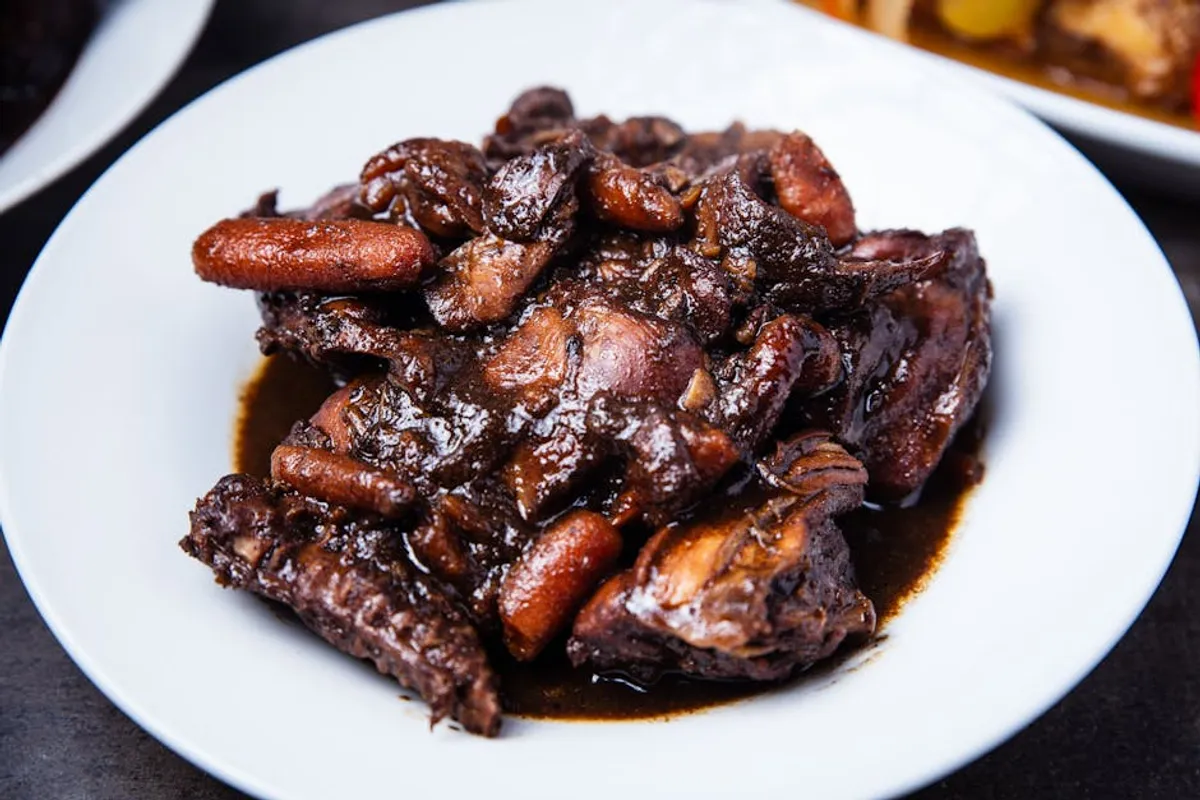
Brown Stew Chicken is a beloved Jamaican comfort food, characterized by its rich, dark, and savory gravy that coats tender pieces of chicken. Chicken pieces are typically marinated with a blend of herbs and spices, then pan-fried to achieve a golden-brown crust before being slowly stewed in a sauce made from browning (burnt sugar, giving it color and depth), onions, garlic, bell peppers, tomatoes, and often carrots. The result is a deeply flavored, aromatic dish that is less spicy than jerk but equally satisfying, typically served with rice and peas or ground provisions.
Best for: Diners seeking a comforting, savory, and moderately spiced chicken dish; those who prefer stewed over grilled meats.
Pros: Tender, flavorful chicken; rich, aromatic gravy; comforting and satisfying; generally milder spice profile than jerk.
Cons: Can sometimes be overly salty if not prepared carefully; relies heavily on the browning technique for flavor and color, which can vary.
Verdict: Brown Stew Chicken offers a quintessential taste of home-style Jamaican cooking, delivering deep, savory flavors and tender chicken in a comforting, aromatic gravy.
8. Run Down (Mackerel Run Down)
Run Down, particularly Mackerel Run Down, is a traditional Jamaican dish where salted mackerel is simmered in coconut milk until the milk "runs down" or thickens into a rich, creamy sauce. The mackerel is first desalted, then cooked with a medley of onions, garlic, tomatoes, thyme, and scotch bonnet pepper, allowing the flavors to meld into a savory, slightly spicy, and deeply satisfying stew. It's a popular breakfast or dinner option, often served with boiled green bananas, dumplings, or yam, allowing the starchy sides to absorb the rich sauce.
Best for: Those who enjoy creamy, savory, and subtly spicy seafood dishes; an authentic taste of traditional Jamaican home cooking.
Pros: Rich, creamy texture from coconut milk; deeply savory flavor; unique preparation method; comforting and hearty.
Cons: Salted mackerel can be an acquired taste for some; requires desalting process; contains bones; can be heavy.
Verdict: Run Down provides a unique and flavorful experience, showcasing the versatility of coconut milk in creating a rich, savory base for salted fish, a true taste of island tradition.
9. Mannish Water
Mannish Water is a traditional Jamaican soup renowned for its restorative properties and unique ingredients. It's a hearty, flavorful broth made primarily from goat head and offal (intestines, tripe), slow-simmered with various root vegetables (yam, potato, carrots), dumplings, and a generous blend of spices including scotch bonnet pepper, pimento, and thyme. Often served at gatherings and celebrations, it's believed to be an aphrodisiac and energy booster, offering a rich, savory, and slightly spicy experience that is distinctly Jamaican.
Best for: Adventurous eaters seeking a truly traditional and robust Jamaican soup; those open to offal-based dishes.
Pros: Extremely flavorful and rich broth; deeply traditional and culturally significant; very hearty and filling; believed to have restorative properties.
Cons: Contains offal, which may not appeal to all palates; can be very spicy; preparation is lengthy and complex.
Verdict: Mannish Water is a bold and authentic culinary statement, offering a profound taste of Jamaican heritage and a deeply satisfying, if unconventional, soup experience.
10. Festival
Festival is a sweet, fried dumpling that serves as a popular side dish to many Jamaican meals, particularly fried fish or jerk chicken. Made from a simple dough of flour, cornmeal, sugar, salt, and baking powder, it's typically shaped into an elongated oval and deep-fried until golden brown and slightly crisp on the outside, with a soft, fluffy interior. Its subtle sweetness and tender texture provide a perfect counterpoint to spicy or savory main courses, acting as a delicious palate cleanser and a satisfying starch.
Best for: Those looking for a sweet, comforting side dish to balance savory or spicy mains; a simple yet essential part of the Jamaican dining experience.
Pros: Sweet and savory balance; soft, fluffy interior with a crisp exterior; versatile side dish; universally appealing.
Cons: Fried food, so can be greasy; best eaten fresh; primarily a carbohydrate-heavy side.
Verdict: Festival is an unassuming yet indispensable component of Jamaican cuisine, offering a delightful sweet and savory balance that perfectly complements a range of main dishes.
11. Callaloo
Callaloo is a versatile and nutritious green leafy vegetable, similar to spinach, widely used in Jamaican cooking. It's often sautéed with onions, garlic, tomatoes, and scotch bonnet pepper, creating a simple yet flavorful side dish. Callaloo can also be incorporated into soups, stews, or served alongside ackee and saltfish. Its slightly earthy flavor and tender texture make it a popular and healthy accompaniment to many meals, providing essential vitamins and minerals.
Best for: Vegetarians and those seeking healthy, flavorful green vegetable sides; an excellent way to experience traditional Jamaican produce.
Pros: Highly nutritious; versatile in preparation; fresh, earthy flavor; provides a light contrast to heavier dishes.
Cons: Can be somewhat bitter if not prepared correctly; availability may be limited outside of tropical regions; primarily a side dish.
Verdict: Callaloo is a fundamental and healthy component of Jamaican meals, offering a fresh, earthy flavor that complements a wide array of dishes while providing nutritional value.
12. Gungo Peas and Rice
Gungo Peas and Rice, also known as Rice and Peas, is a foundational side dish in Jamaican cuisine, often served with almost every main course. It consists of long-grain rice cooked with gungo peas (pigeon peas), coconut milk, scallions, thyme, and often a whole scotch bonnet pepper for flavor (removed before serving). The coconut milk imparts a creamy richness and subtle sweetness, while the herbs and peas add depth and texture. It's a comforting, aromatic, and essential accompaniment that completes many Jamaican meals.
Best for: Anyone seeking a comforting, flavorful, and essential side dish; a staple for understanding the full Jamaican dining experience.
Pros: Aromatic and flavorful; creamy texture from coconut milk; versatile accompaniment; provides a satisfying base for other dishes.
Cons: Can be heavy due to coconut milk and starch; preparation requires attention to achieve perfect texture; primarily a carbohydrate.
Verdict: Gungo Peas and Rice is more than a side; it's the aromatic, comforting foundation upon which many Jamaican meals are built, essential for a complete culinary experience.
Choosing Your Jamaican Culinary Journey: Matching Dishes to Preferences
Selecting the right Jamaican dish depends largely on your personal taste, spice tolerance, and desired experience. If you favor bold, smoky, and spicy flavors, Jerk Chicken is an undeniable starting point. For a unique cultural immersion, Ackee and Saltfish offers a distinctive taste and texture. Those who appreciate rich, slow-cooked meats will find Oxtail Stew or Curry Goat deeply satisfying. If fresh seafood with a tangy kick appeals, Escovitch Fish is an excellent choice. For quick, flavorful bites, the Jamaican Patty is unparalleled. Vegetarians have options like Callaloo, and everyone can enjoy the comforting staples of Festival and Gungo Peas and Rice. Consider the setting—whether a formal restaurant or a casual street vendor—as this often influences preparation style and authenticity. Don't hesitate to ask about spice levels or popular accompaniments to ensure your choice perfectly matches your expectations.
Frequently Asked Questions About Jamaican Dishes
Is Jamaican food always spicy?
No, not all Jamaican food is intensely spicy. While scotch bonnet peppers are a common ingredient, many dishes like Brown Stew Chicken, Oxtail Stew, and Rice and Peas focus more on aromatic spices and rich savory flavors, with heat levels that can be adjusted. Jerk is typically the spiciest, but even then, the heat is balanced by other complex flavors.
What are common side dishes served with Jamaican meals?
Common sides include Rice and Peas (Gungo Peas and Rice), plain white rice, fried plantains, steamed vegetables (like Callaloo), hard dough bread, and various "ground provisions" such as boiled yam, green bananas, or dumplings. These starchy sides help balance the rich and often spicy main courses.
Can I find vegetarian or vegan options in Jamaican cuisine?
Yes, Jamaican cuisine offers several vegetarian and vegan-friendly options. Dishes like Callaloo, various steamed vegetable preparations, and vegetable patties are common. Many stews can be made without meat, focusing on legumes and root vegetables, such as "ital" stews which adhere to a strict vegan diet, often found in Rastafarian communities.
What is "browning" in Jamaican cooking?
Browning refers to a dark, caramel-like liquid made from burnt sugar, often used in Jamaican cooking to give stews and meats a rich, dark color and a subtle depth of flavor. It's a key ingredient in dishes like Brown Stew Chicken and often used in marinades.
What is the best way to experience authentic Jamaican food?
To experience authentic Jamaican food, seek out local restaurants, cook shops, and street vendors, especially those that are busy with local patrons. Don't be afraid to try dishes you're unfamiliar with. Engaging with locals about their favorite dishes can also lead to hidden culinary gems.