Navigating the diverse culinary landscape of the Caribbean presents a unique challenge for any traveler. Beyond the ubiquitous resort buffets, the islands offer a rich tapestry of flavors, ingredients, and cooking traditions, each telling a story of indigenous, African, European, and Asian influences. Identifying the most impactful dishes to experience is not merely about taste; it is about understanding the cultural significance, regional variations, and practical considerations for sourcing authentic preparations. This guide focuses on distinct, iconic dishes that provide a genuine insight into the Caribbean's gastronomic identity, offering clarity on what to seek out for a truly memorable and representative culinary journey.
How to Choose Your Caribbean Culinary Journey
Selecting which foods to prioritize in the Caribbean involves more than just a list of popular dishes. Consider the specific island or islands you plan to visit, as regional specialties vary significantly—Jamaican jerk is distinct from Barbadian cou-cou. Evaluate your own palate: are you drawn to spicy, savory, sweet, or fresh seafood? Think about the dining context: do you prefer street food, casual eateries, or more formal restaurant settings? Finally, be open to local recommendations; often, the best experiences come from trying what locals eat, prepared by those who have perfected the recipes over generations. This approach ensures a more authentic and satisfying exploration of the region's food culture.
1. Jerk Chicken
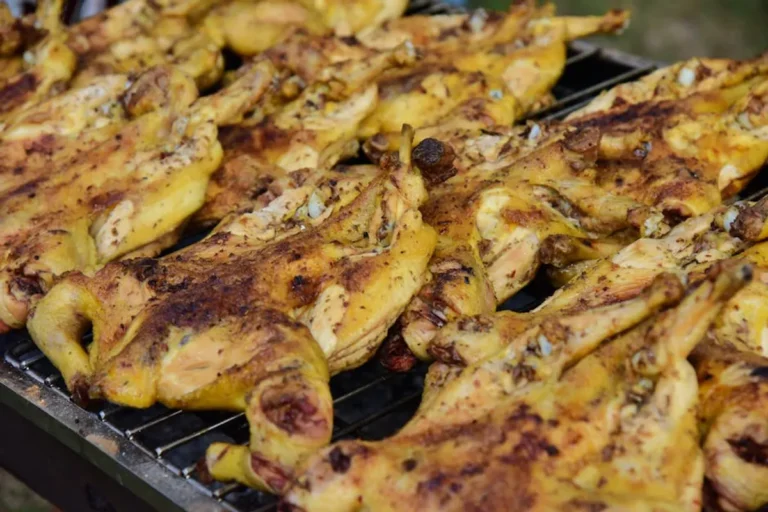
Jerk chicken stands as Jamaica's most globally recognized culinary export, characterized by its distinctive smoky flavor, tender meat, and fiery spice profile. The traditional preparation involves marinating chicken (or pork) in a potent blend of Scotch bonnet peppers, allspice, thyme, and other aromatics, then slow-cooking it over pimento wood coals. This method imparts a unique, earthy smokiness that cannot be replicated by conventional grilling. The result is a complex interplay of heat, savory depth, and aromatic sweetness, often served with sides like rice and peas, fried plantains, or festival (fried dough).
Best For: Spice enthusiasts, barbecue lovers, and those seeking an iconic Jamaican experience.
Pros: Deeply flavorful and aromatic; widely available across Jamaica and increasingly elsewhere; offers a genuine taste of Jamaican culinary heritage.
Cons: Spice levels can be intense for unaccustomed palates; quality varies significantly between vendors; can be messy to eat due to bone-in preparation.
Verdict: An essential culinary experience that defines Jamaican cuisine, demanding to be tried for its unique flavor and cultural resonance.
2. Curried Goat
Curried goat is a staple across many Caribbean islands, particularly in Jamaica, Trinidad and Tobago, and Guyana, reflecting the strong Indian influence on the region's cuisine. This dish features tender pieces of goat meat, slow-simmered in a rich, aromatic curry sauce. The curry powder blends used are typically distinct from South Asian varieties, often incorporating turmeric, cumin, coriander, fenugreek, and sometimes Scotch bonnet peppers for a subtle kick. The long cooking time ensures the meat is fall-off-the-bone tender, absorbing the complex flavors of the spices. It’s commonly served with rice, roti, or breadfruit.
Best For: Adventurous eaters, those who appreciate rich stews, and fans of aromatic, savory dishes.
Pros: Exceptionally flavorful and tender when prepared correctly; offers a unique Caribbean twist on curry; deeply satisfying and hearty.
Cons: Often served bone-in, which can be inconvenient for some diners; the gaminess of goat meat might not appeal to everyone; preparation can be time-consuming.
Verdict: A foundational dish that showcases the diverse culinary heritage of the Caribbean, offering a deeply satisfying and authentically spiced experience.
3. Ackee and Saltfish
Jamaica’s national dish, ackee and saltfish, offers a unique flavor and texture profile unlike any other breakfast or brunch item. Ackee, a fruit native to West Africa, is cooked until it resembles scrambled eggs in texture and has a mild, nutty, and slightly buttery taste. It is sautéed with rehydrated salted codfish, onions, bell peppers, tomatoes, and Scotch bonnet peppers. The combination creates a savory, hearty meal that is surprisingly complex. The fruit must be picked and prepared carefully, as unripe ackee contains a toxin that dissipates upon proper maturation and cooking.
Best For: Breakfast or brunch, those seeking unique flavor combinations, and an authentic Jamaican culinary immersion.
Pros: Distinctive and memorable flavor; hearty and fulfilling; offers a genuine taste of Jamaican culture.
Cons: The texture of ackee can be unfamiliar to some; proper preparation is critical due to the fruit's toxicity when unripe; not always widely available outside of specific Jamaican restaurants.
Verdict: A truly unique and essential Jamaican dish that provides a deep insight into the island's culinary identity, worth seeking out for its singular taste.
4. Roti
Roti, a legacy of Indian indentured laborers, is a versatile and ubiquitous staple across islands like Trinidad and Tobago, Guyana, and Suriname. It refers to a thin, unleavened flatbread, which can be plain (buss-up shut, dhalpuri) or filled. Dhalpuri roti, for instance, is stuffed with ground split peas and spices before being cooked on a tawa. It is then used as a wrap for various curries, such as chicken, goat, beef, or vegetables like channa (chickpeas) and potato. The soft, pliable bread perfectly soaks up the rich sauces, making it a satisfying and portable meal.
Best For: Quick and customizable meals, street food enthusiasts, and those who enjoy Indian-influenced flavors.
Pros: Extremely versatile with a wide range of fillings; portable and convenient; highly flavorful and comforting; often affordable.
Cons: Can be messy to eat, especially with saucy fillings; quality of the roti itself varies; finding truly authentic versions outside of specific islands can be challenging.
Verdict: An indispensable Caribbean street food that offers a delicious and practical way to experience the region's diverse culinary influences.
5. Conch Fritters and Salad
Conch, a large marine snail, is a culinary cornerstone in the Bahamas, Turks and Caicos, and other parts of the Caribbean. It is prepared in numerous ways, with conch fritters and conch salad being particularly popular. Conch fritters involve finely diced conch meat mixed into a seasoned batter, then deep-fried until golden and crispy. Conch salad, on the other hand, is a refreshing ceviche-style dish where raw conch is marinated in lime or sour orange juice, mixed with diced onions, bell peppers, and sometimes Scotch bonnet, resulting in a tangy and tender bite. Both showcase the fresh, slightly sweet flavor of the conch.
Best For: Seafood lovers, light appetizers, and those seeking fresh, local ingredients.
Pros: Fresh and tender when properly prepared; offers a true taste of the sea; versatile in preparation (fried or raw); often locally sourced.
Cons: Can become rubbery if overcooked; sustainability concerns exist for conch populations in some areas; price can be higher due to sourcing.
Verdict: A quintessential Bahamian and Turks & Caicos experience that highlights the pristine seafood of the region, offering both crispy and refreshing options.
6. Flying Fish and Cou-Cou
Barbados' national dish, flying fish and cou-cou, is a testament to the island's rich culinary traditions. Flying fish, a small, delicate fish, is typically steamed, fried, or stewed in a rich tomato-based sauce, often seasoned with Bajan green seasoning (a blend of herbs, garlic, and Scotch bonnet). Cou-cou is a savory side dish made from cornmeal and okra, slowly stirred until it reaches a smooth, polenta-like consistency. The mild flavor of the cou-cou provides a perfect counterpoint to the seasoned fish, absorbing the sauce and creating a harmonious and comforting meal.
Best For: Traditionalists, those seeking unique textures, and a deep dive into Barbadian culinary heritage.
Pros: Offers an authentic taste of Barbados; the fish is delicate and flavorful; cou-cou provides a comforting and unique texture.
Cons: Cou-cou's texture might be unfamiliar to some palates; flying fish is specific to Barbados, limiting availability elsewhere; preparation requires skill to achieve the right consistency.
Verdict: A foundational Barbadian meal that provides a comprehensive and comforting taste of the island's distinct culinary identity.
7. Mofongo
Mofongo is a hearty and iconic dish from Puerto Rico, characterized by its base of fried green plantains mashed with garlic, pork cracklings (chicharrón), and olive oil. The mixture is then typically formed into a ball and often served with a savory broth or filled with various meats (shrimp, chicken, beef) or vegetables. The texture is dense yet pliable, with a rich garlicky flavor that makes it incredibly satisfying. Mofongo represents a fusion of indigenous Taíno, African, and Spanish influences, making it a cornerstone of Puerto Rican cuisine.
Best For: Hearty meal seekers, plantain enthusiasts, and those who appreciate robust, savory flavors.
Pros: Incredibly flavorful and satisfying; highly customizable with various fillings; offers a unique textural experience; a true Puerto Rican staple.
Cons: Can be very dense and filling; quality varies based on the freshness of ingredients and preparation skill; requires fresh green plantains for authenticity.
Verdict: A robust and deeply flavorful dish that is essential for understanding Puerto Rican cuisine, offering a versatile and satisfying culinary experience.
8. Callaloo
Callaloo is a vibrant, leafy green stew found across many Caribbean islands, though its preparation and primary ingredient vary. In Trinidad and Tobago, it typically uses dasheen (taro) leaves, while in Jamaica, it might feature amaranth or spinach. Common additions include okra, coconut milk, crab, salted pork, or smoked fish, all simmered together with aromatics like garlic, onions, and Scotch bonnet peppers. The result is a rich, earthy, and often subtly spicy stew with a distinctive velvety texture, usually served as a side dish to rice, provisions (boiled root vegetables), or fried fish.
Best For: Vegetable lovers, those seeking nutrient-rich options, and an authentic taste of Caribbean home cooking.
Pros: Healthy and packed with nutrients; deeply flavorful and comforting; often vegetarian-friendly (depending on preparation); a versatile side dish.
Cons: The texture can be slimy if not prepared correctly; specific leaf varieties can be hard to find outside the Caribbean; acquired taste for some due to its earthy flavor.
Verdict: A ubiquitous and healthy Caribbean staple that offers a comforting and flavorful insight into the region's use of local produce.
9. Pelau
Pelau is a beloved one-pot rice dish, particularly prominent in Trinidad and Tobago, but also enjoyed in other islands. It's a flavorful and convenient meal where rice, pigeon peas, and various meats (chicken, beef, or salted pigtail) are cooked together in caramelized sugar, which gives the dish its characteristic dark brown color and subtle sweetness. Coconut milk, herbs, and spices like thyme, broad leaf thyme (shadow beni), and Scotch bonnet contribute to its complex and savory profile. Pelau is often served at gatherings and as a complete meal.
Best For: Communal meals, those seeking a balanced and complete dish, and fans of hearty, savory rice preparations.
Pros: A complete and satisfying meal in one pot; rich umami flavor with a hint of sweetness; excellent for sharing; showcases Caribbean cooking techniques.
Cons: Can be quite heavy; requires specific ingredients like pigeon peas and coconut milk for authenticity; cooking time can be substantial.
Verdict: A comforting and flavorful one-pot wonder that exemplifies Caribbean ingenuity in creating balanced and deeply satisfying communal meals.
10. Escovitch Fish
Escovitch fish is a vibrant Jamaican dish featuring whole fried fish (often snapper or doctor fish) marinated in a spicy, tangy sauce of vinegar, onions, carrots, and Scotch bonnet peppers. The fish is typically fried until crispy, then immediately doused in the hot, pickled marinade. This process allows the flavors to penetrate the fish, creating a harmonious blend of crispy texture, tender flesh, and a sharp, spicy, and slightly sweet tang. It’s a popular dish for breakfast, lunch, or dinner, often served with bammy (cassava flatbread) or festival.
Best For: Fish lovers, those who enjoy bold and tangy flavors, and an authentic Jamaican seafood experience.
Pros: Crispy exterior with tender, flavorful fish; vibrant and complex flavor profile; a true representation of Jamaican seafood preparation.
Cons: Often served whole with bones, which can be challenging for some; can be very spicy; quality depends heavily on fresh fish.
Verdict: A truly distinctive and flavorful Jamaican seafood dish that offers a perfect balance of crispiness, spice, and tang, a must-try for fish enthusiasts.
11. Bake and Shark
A quintessential beachside delicacy of Trinidad and Tobago, bake and shark consists of seasoned, fried shark meat nestled in a piece of fluffy, fried flatbread called "bake." The magic truly happens at the condiment station, where diners customize their bake and shark with an array of toppings including various chutneys (mango, tamarind), fresh salads, coleslaw, hot pepper sauce, and garlic sauce. This creates a highly personalized and explosive flavor experience, making it a beloved street food, especially after a swim at Maracas Bay.
Best For: Adventurous eaters, beach food enthusiasts, and those who appreciate customizable, flavorful sandwiches.
Pros: Unique combination of textures and flavors; highly customizable with diverse toppings; iconic Trinidadian beach food experience.
Cons: Sustainability concerns regarding shark populations; can be greasy due to frying; specific to Trinidad, limiting availability.
Verdict: An iconic and highly customizable Trinidadian street food that delivers a memorable and uniquely Caribbean beach dining experience, despite sustainability considerations.
12. Doubles
Doubles are a beloved vegetarian street food from Trinidad and Tobago, often enjoyed for breakfast or as a snack. They consist of two soft, fried flatbreads (bara) filled with a savory curry of chickpeas (channa). The dish is then typically topped with various chutneys (tamarind, mango, cucumber), hot pepper sauce, and sometimes grated coconut. The combination of the soft, slightly sweet bara with the spicy, aromatic channa and tangy chutneys creates an addictive and deeply satisfying flavor profile. Doubles are portable, affordable, and a true culinary emblem of Trinidad.
Best For: Vegetarian snack seekers, breakfast on the go, and those who appreciate flavorful, portable street food.
Pros: Delicious and highly addictive; vegetarian-friendly; portable and affordable; offers a complex blend of sweet, savory, and spicy flavors.
Cons: Can be messy to eat; not widely available outside of Trinidad and Tobago; spice levels can vary greatly.
Verdict: An essential Trinidadian street food experience that delivers an addictive combination of flavors and textures, perfect for a quick, satisfying, and authentic bite.
Maximizing Your Caribbean Food Experience
To truly maximize your culinary journey through the Caribbean, move beyond resort dining. Seek out local markets and street food vendors, as these are often where the most authentic and flavorful dishes are found. Engage with locals for recommendations; their insights can lead to hidden gems and family-run establishments. Don't be afraid to try unfamiliar ingredients or preparations, but always inquire about spice levels if you have a low tolerance. Consider food tours, which offer curated experiences and historical context for the dishes. Finally, be mindful of food safety practices, especially with street food, by observing cleanliness and choosing vendors with high turnover. This proactive approach will ensure a richer, more authentic, and safer gastronomic adventure.
Frequently Asked Questions
Is Caribbean food generally spicy?
Many Caribbean dishes incorporate Scotch bonnet peppers, which are very hot. However, spice levels vary significantly by dish and island. Jerk chicken and escovitch fish are often quite spicy, while dishes like callaloo or cou-cou are typically milder, with heat added via optional sauces. Always ask about the spice level if you are sensitive to heat.
Are there many vegetarian options in Caribbean cuisine?
Yes, Caribbean cuisine offers numerous delicious vegetarian options. Many dishes are vegetable-centric, such as callaloo, rice and peas, fried plantains, and various root vegetable preparations (provisions). Doubles from Trinidad and Tobago are a prime example of a popular vegetarian street food. Always confirm ingredients, as some vegetable dishes might use meat broths or small amounts of salted meat for flavor.
What are common ingredients used in Caribbean cooking?
Common ingredients include various root vegetables (yams, cassava, dasheen, sweet potatoes), plantains, rice, pigeon peas, coconut milk, fresh seafood, chicken, goat, and a wide array of fresh herbs and spices like thyme, allspice, ginger, garlic, and of course, Scotch bonnet peppers. The specific mix varies by island, reflecting different cultural influences.
Where is the best place to find authentic Caribbean food?
The most authentic Caribbean food is often found at local eateries, street food stalls, and bustling markets. These establishments typically use traditional recipes and fresh, local ingredients. Asking locals for their favorite spots is an excellent way to discover hidden culinary gems beyond tourist-centric restaurants. Each island also has its unique specialties worth exploring.