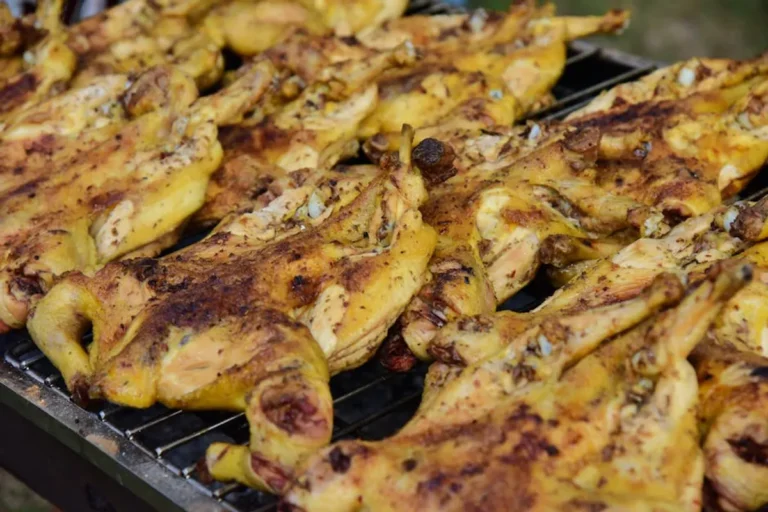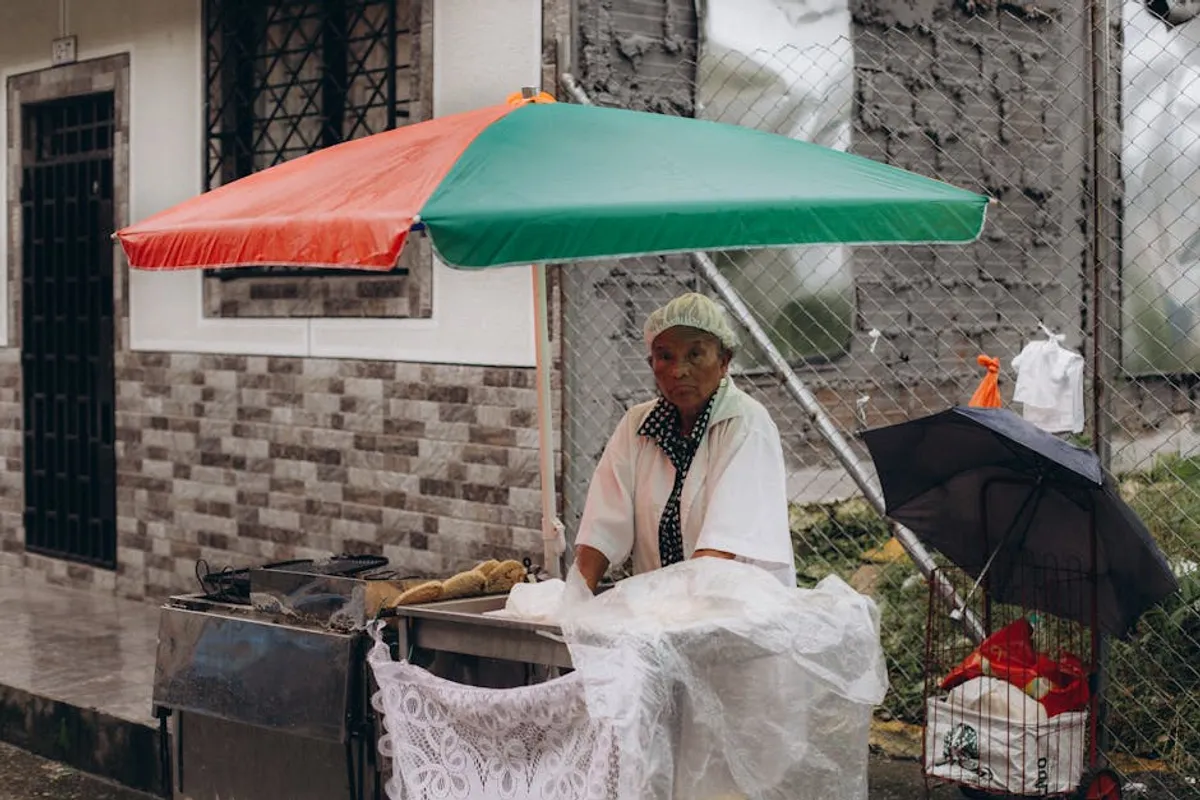
Ecuadorian street food offers a vibrant, accessible culinary landscape, reflecting the country's diverse geography and cultural heritage. From the Andean highlands to the Pacific coast, vendors present a spectrum of flavors, textures, and aromas that define local gastronomic identity. Navigating this street food scene requires understanding the distinct characteristics of each dish, its preparation, and its cultural significance. This guide aims to provide a structured overview, helping enthusiasts and culinary travelers identify key offerings, appreciate their unique appeal, and make informed choices for an authentic tasting experience.
What to Look For in Ecuadorian Street Food Experiences
When approaching the diverse world of Ecuadorian street food, several factors contribute to a fulfilling experience. Prioritize vendors with visible, high turnover, as this often indicates fresh ingredients and consistent preparation. Observe local patrons; a bustling stall frequented by residents is typically a strong indicator of quality and authenticity. Pay attention to preparation methods: many dishes are cooked to order, ensuring peak freshness. Consider regional specialties; coastal areas will feature seafood-centric dishes like ceviche, while highland regions excel in pork and potato-based preparations such as hornado or llapingachos. Finally, engage with vendors; they often offer insights into their ingredients and family recipes, enriching the overall experience beyond just the taste.
1. Empanadas de Viento
Empanadas de Viento are a quintessential Ecuadorian street food, distinct from their regional counterparts. These are large, airy, deep-fried pastries with a simple filling of fresh cheese, often accompanied by a light dusting of sugar. The "viento" (wind) in their name refers to their puffed-up, hollow interior, achieved by the rapid expansion of steam during frying. The dough is typically thin and crisp, providing a delicate contrast to the molten, salty cheese inside. They are a staple breakfast or afternoon snack, readily available from street carts and small bakeries across the country, particularly in the highlands.
Best For: A quick, satisfying snack or light breakfast, especially for those seeking a balance of sweet and savory flavors in a portable format.
Pros:
- Affordable and widely available, ensuring accessibility in most urban and rural areas.
- Unique texture profile, combining a crispy exterior with a soft, melted cheese interior.
- Quick preparation and serving, ideal for on-the-go consumption.
Cons:
- Can be greasy due to deep-frying, which may not appeal to all palates.
- Limited nutritional value, primarily serving as a comfort food or indulgence.
- Flavor profile is relatively simple, lacking the complexity of other street food options.
Verdict: Empanadas de Viento offer an iconic, comforting taste of Ecuadorian street culture. Their simplicity and satisfying texture make them an essential first bite for newcomers, providing a foundational understanding of local snack preferences.
2. Ceviche de Camarón
Ecuadorian Ceviche de Camarón (shrimp ceviche) stands apart from other Latin American versions due to its unique preparation. Unlike the raw fish marinated in lime juice found elsewhere, Ecuadorian shrimp ceviche often uses pre-cooked shrimp, which are then "cooked" again in a vibrant, cold marinade of lime juice, orange juice, red onion, cilantro, and sometimes tomato sauce. This results in a sweeter, less acidic, and often more soupy consistency, typically served with a side of toasted corn (maíz tostado), plantain chips (chifles), or popcorn (canguil). It is a refreshing and popular dish, particularly along the coast.
Best For: A refreshing, light meal or appetizer, especially on warm days or for those who prefer seafood with a milder acidity.
Pros:
- Distinctive flavor profile, balancing citrus notes with a subtle sweetness and fresh herbs.
- Often uses pre-cooked shrimp, which can be a preference for some diners regarding texture and safety.
- Highly customizable with various accompaniments, enhancing textural contrast.
Cons:
- The soupy consistency might not appeal to those expecting a firmer, more acidic ceviche.
- Availability is more concentrated in coastal and urban areas with access to fresh seafood.
- Quality can vary significantly based on the freshness of ingredients and balance of the marinade.
Verdict: This ceviche provides a unique, milder entry into the world of cured seafood, offering a flavorful and hydrating experience that is a cornerstone of Ecuadorian coastal cuisine.
3. Hornado
Hornado is a slow-roasted whole pig, a culinary centerpiece in the Ecuadorian highlands. The pig is seasoned extensively, often with garlic, cumin, achiote, and chicha (fermented corn drink), then roasted for several hours until the skin is incredibly crispy (cuerito) and the meat is tender and succulent. Street vendors typically carve portions directly from the roasted pig, serving it with llapingachos (potato patties), mote (hominy), ripe plantains, and a tangy onion and tomato salad (ensalada criolla). It's a hearty, communal dish, often found at bustling markets and street-side stalls, particularly on weekends.
Best For: A substantial, celebratory meal, ideal for those seeking rich, savory flavors and a truly authentic highland experience.
Pros:
- Deep, complex flavors developed from slow roasting and traditional seasonings.
- The crispy skin (cuerito) is a highly prized delicacy, offering a unique textural element.
- Generous portions make it a filling and satisfying option, often shared among groups.
Cons:
- Can be very heavy and rich, potentially overwhelming for lighter appetites.
- Primarily available in highland regions, limiting its accessibility in coastal areas.
- Preparation involves significant time and specific equipment, making it less common for impromptu home cooking.
Verdict: Hornado represents the pinnacle of Ecuadorian comfort food, delivering an unforgettable combination of tender pork and crispy skin that embodies the country's culinary heritage.
4. Llapingachos
Llapingachos are griddled potato patties, a staple side dish and street food in the Ecuadorian Andes. Made from mashed potatoes, often mixed with cheese, they are flattened and cooked on a griddle until golden brown and slightly crispy. They are commonly served alongside hornado, fritada, or fried eggs, often topped with a peanut sauce (salsa de maní) for an added layer of richness and flavor. Their simplicity belies their comforting appeal, offering a satisfying starch component to many meals.
Best For: A versatile side dish or a light, savory snack, particularly for those who appreciate potato-based comfort foods with a cheesy twist.
Pros:
- Comforting and familiar texture, appealing to a wide range of palates.
- The addition of cheese provides a savory depth and gooey interior.
- Pairs well with a variety of meats and sauces, enhancing meal flexibility.
Cons:
- Can be somewhat bland on its own without accompanying sauces or dishes.
- Often pan-fried, contributing to a higher fat content.
- Texture can vary greatly depending on potato type and preparation, impacting consistency.
Verdict: Llapingachos are a humble yet essential component of Ecuadorian cuisine, providing a comforting and adaptable base that elevates many traditional dishes.
5. Bolones de Verde
Bolones de Verde are dense, savory green plantain dumplings, a popular breakfast item and street snack, especially in the coastal regions. Mashed green plantains are mixed with cheese, chicharrón (fried pork belly), or a combination of both, then formed into balls and often deep-fried or pan-fried until golden. The result is a substantial, filling sphere with a slightly crispy exterior and a soft, flavorful interior. They are typically served with coffee and sometimes a fried egg.
Best For: A hearty, energy-rich breakfast or a substantial snack, particularly for those who enjoy the unique texture and flavor of green plantains.
Pros:
- Extremely filling and satisfying, providing sustained energy.
- Offers a distinct savory flavor and chewy texture from the green plantains.
- Versatile fillings (cheese, pork) cater to different preferences.
Cons:
- Can be very dense and heavy, potentially overwhelming for smaller appetites.
- Often fried, contributing to a higher caloric and fat content.
- Requires specific preparation skills to achieve the correct plantain consistency.
Verdict: Bolones de Verde are a foundational coastal breakfast, offering a unique and satisfying culinary experience rooted in the versatility of green plantains.
6. Salchipapas
Salchipapas is a straightforward yet immensely popular street food, particularly among younger generations. It consists of thinly sliced fried sausages (salchichas) served over a bed of French fries (papas fritas), often drizzled with various sauces like ketchup, mayonnaise, and aji (Ecuadorian hot sauce). This dish is a late-night staple and a quick, satisfying option, embodying the simplicity and immediate gratification often sought in street food.
Best For: A quick, comforting, and inexpensive snack or light meal, especially popular with children and for late-night cravings.
Pros:
- Universally appealing combination of fried potatoes and sausage.
- Very affordable and widely available in urban areas.
- Quick to prepare and serve, suitable for immediate consumption.
Cons:
- High in fat and calories, offering limited nutritional value.
- Lacks the complex flavors and cultural depth of more traditional dishes.
- Quality can vary significantly based on the type of sausage and freshness of fries.
Verdict: Salchipapas deliver on convenience and familiar comfort, serving as a popular, unpretentious option for a quick bite, particularly in casual settings.
7. Mote con Chicharrón
Mote con Chicharrón combines two fundamental ingredients of Andean cuisine: mote (large kernel hominy) and chicharrón (fried pork belly or pork rinds). The mote is typically boiled until tender, then sautéed with onions and spices, while the chicharrón is fried until crispy. The dish is a textural and flavorful contrast, with the soft, earthy mote balancing the rich, fatty, and crunchy pork. It's a hearty and satisfying street food, especially prevalent in highland markets.
Best For: A substantial, savory meal for those who appreciate pork and corn-based dishes, offering a rich and comforting experience.
Pros:
- Provides a satisfying combination of textures, from chewy mote to crispy chicharrón.
- Rich, savory flavors derived from the pork fat and seasonings.
- Culturally significant, representing traditional Andean ingredients.
Cons:
- Can be very heavy and high in fat, potentially challenging for lighter appetites.
- Availability is more consistent in highland regions compared to the coast.
- Preparation quality heavily relies on properly rendered chicharrón to avoid excessive greasiness.
Verdict: Mote con Chicharrón offers a robust and authentic taste of the Ecuadorian highlands, delivering a powerful combination of staple ingredients in a comforting format.
8. Espumillas
Espumillas are a unique Ecuadorian dessert, often mistaken for ice cream due to their appearance and the way they are served from street carts. These are actually meringue-like foams made from egg whites, sugar, and fruit pulp (typically guava, mora/blackberry, or naranjilla). The mixture is whipped until light and airy, then piped into cones or cups and often topped with fruit syrup or sprinkles. They offer a delicate, sweet, and refreshing experience, particularly popular in parks and plazas.
Best For: A light, sweet, and refreshing dessert or treat, especially for those seeking a unique textural experience beyond traditional ice cream.
Pros:
- Distinctive airy, cloud-like texture that melts in the mouth.
- Light and refreshing, providing a sweet contrast to savory street foods.
- Visually appealing due to its vibrant colors and piped presentation.
Cons:
- Can be overly sweet for some palates due to the high sugar content.
- Lacks the creaminess and richness of dairy-based desserts.
- Susceptible to melting quickly in warm climates, requiring immediate consumption.
Verdict: Espumillas provide an enchanting and unique sweet treat, offering a delicate, fruit-flavored cloud that is a delightful end to a street food tour.
9. Fritada
Fritada is a traditional Ecuadorian pork dish, prepared by simmering pork chunks in water and orange juice until the liquid evaporates, then frying the meat in its own rendered fat until golden and crispy. This method results in incredibly tender meat with flavorful, slightly caramelized edges. It's typically served with mote, llapingachos, ripe plantains, and an onion salad. Found in markets and specialized fritada restaurants, it offers a rich and satisfying meal, especially popular during festivals and family gatherings.
Best For: A hearty, flavorful pork meal, suitable for those who appreciate slow-cooked meats with a crispy finish and a full complement of traditional sides.
Pros:
- Tender, juicy pork with a desirable crispy exterior from self-frying.
- The cooking method imparts a unique depth of flavor from the orange juice and rendered fat.
- Often served as a complete plate with multiple traditional accompaniments.
Cons:
- Can be quite rich and fatty due to the cooking process, potentially heavy for some.
- Preparation is time-intensive, making it less common for quick street-side consumption compared to other items.
- Portion sizes are often generous, requiring a significant appetite.
Verdict: Fritada offers a deeply satisfying and authentic taste of Ecuadorian slow-cooked pork, a testament to traditional culinary techniques and robust flavors.
10. Humitas
Humitas are savory steamed corn cakes, a beloved traditional dish throughout the Andes. Made from freshly ground tender corn, cheese, eggs, and sometimes onions or cilantro, the mixture is wrapped in corn husks and then steamed. The result is a moist, slightly sweet, and savory cake with a delicate texture. They are a popular breakfast item, snack, or accompaniment to a meal, often sold by street vendors and in small bakeries.
Best For: A comforting, naturally sweet and savory snack or breakfast item, ideal for those seeking a milder, softer texture and the fresh taste of corn.
Pros:
- Delicate, moist texture and a naturally sweet flavor from fresh corn.
- Often contains cheese, adding a savory counterpoint to the sweetness.
- Steamed preparation makes it a lighter option compared to fried street foods.
Cons:
- Flavor profile can be subtle, potentially less exciting for those seeking bold tastes.
- Availability is seasonal, dependent on fresh corn harvests.
- Can be perceived as less substantial than other street food options.
Verdict: Humitas offer a gentle, flavorful embrace of fresh corn, representing a comforting and wholesome aspect of Ecuadorian culinary tradition.
11. Choclo con Queso
Choclo con Queso is a simple yet iconic street food, particularly in the Ecuadorian highlands. It consists of large-kernel, starchy Andean corn (choclo) that is boiled or grilled, then served with a slice of fresh, salty, and often squeaky cheese (queso fresco). The combination highlights the earthy sweetness of the corn against the mild saltiness of the cheese, creating a harmonious and satisfying snack. It's a common sight at markets and fairs.
Best For: A simple, wholesome, and naturally gluten-free snack, appealing to those who appreciate fresh, unadulterated flavors and textures.
Pros:
- Clean, natural flavors showcasing fresh corn and cheese.
- Quick and easy to prepare, making it readily available.
- Provides a satisfying textural contrast between the firm corn kernels and soft cheese.
Cons:
- Flavor profile is very straightforward, potentially lacking complexity for some palates.
- Can be quite starchy and filling, despite its simplicity.
- Quality is highly dependent on the freshness and sweetness of the corn.
Verdict: Choclo con Queso exemplifies the beauty of simplicity in Ecuadorian street food, offering a pure and comforting taste of staple Andean ingredients.
12. Guatita
Guatita is a rich and flavorful tripe stew, a beloved and distinctive dish in Ecuador, often found in smaller, street-side eateries or market stalls. It's prepared with beef tripe (guata) simmered in a creamy peanut sauce, typically seasoned with onions, garlic, and potatoes. The stew is often served with a side of white rice and avocado slices. Despite its primary ingredient, guatita is highly regarded for its tender texture and complex, savory flavor profile, appealing to adventurous eaters.
Best For: Adventurous eaters seeking a deeply flavorful and culturally significant stew, particularly those who enjoy offal and rich, savory sauces.
Pros:
- Unique and complex flavor profile from the tripe and peanut sauce.
- Tender texture of the tripe, achieved through long simmering.
- Offers a substantial and satisfying meal, often served with rice.
Cons:
- The use of tripe can be a significant barrier for some diners.
- Can be very rich and heavy, potentially overwhelming for lighter appetites.
- Preparation is time-consuming and requires careful cleaning of the tripe.
Verdict: Guatita stands as a testament to Ecuadorian culinary ingenuity, transforming a humble ingredient into a deeply flavorful and culturally iconic stew that rewards the adventurous palate.
Choosing Your Next Ecuadorian Street Food Adventure
Selecting your next Ecuadorian street food experience involves a blend of personal preference and practical consideration. Begin by identifying the regional specialties available in your current location, whether coastal seafood or highland pork and potato dishes. Assess your appetite; some dishes like hornado or fritada are substantial meals, while empanadas or espumillas serve as lighter snacks. Consider the time of day: bolones are a breakfast staple, while salchipapas often appear later. Prioritize vendors who maintain clean preparation areas and have a steady flow of local customers, indicating both popularity and fresh inventory. Don't hesitate to ask about ingredients or preparation methods; local vendors are often proud to share their culinary traditions. Experimentation is key; trying a variety of dishes will provide the most comprehensive understanding of Ecuador's vibrant street food culture.
Frequently Asked Questions About Ecuadorian Street Foods
Q: Is Ecuadorian street food generally safe to eat?
A: Most Ecuadorian street food is safe, especially from popular, busy vendors with high turnover. Look for freshly prepared items, hot food served hot, and cold food kept cold. Observing locals and choosing well-maintained stalls are good practices.
Q: What is the typical price range for street food?
A: Ecuadorian street food is generally very affordable. Most snacks range from $0.50 to $2.00, while more substantial meals like hornado or fritada might cost between $3.00 and $7.00, making it an economical way to eat.
Q: Are there vegetarian or vegan options available?
A: Vegetarian options include llapingachos (ensure no meat broth is used),