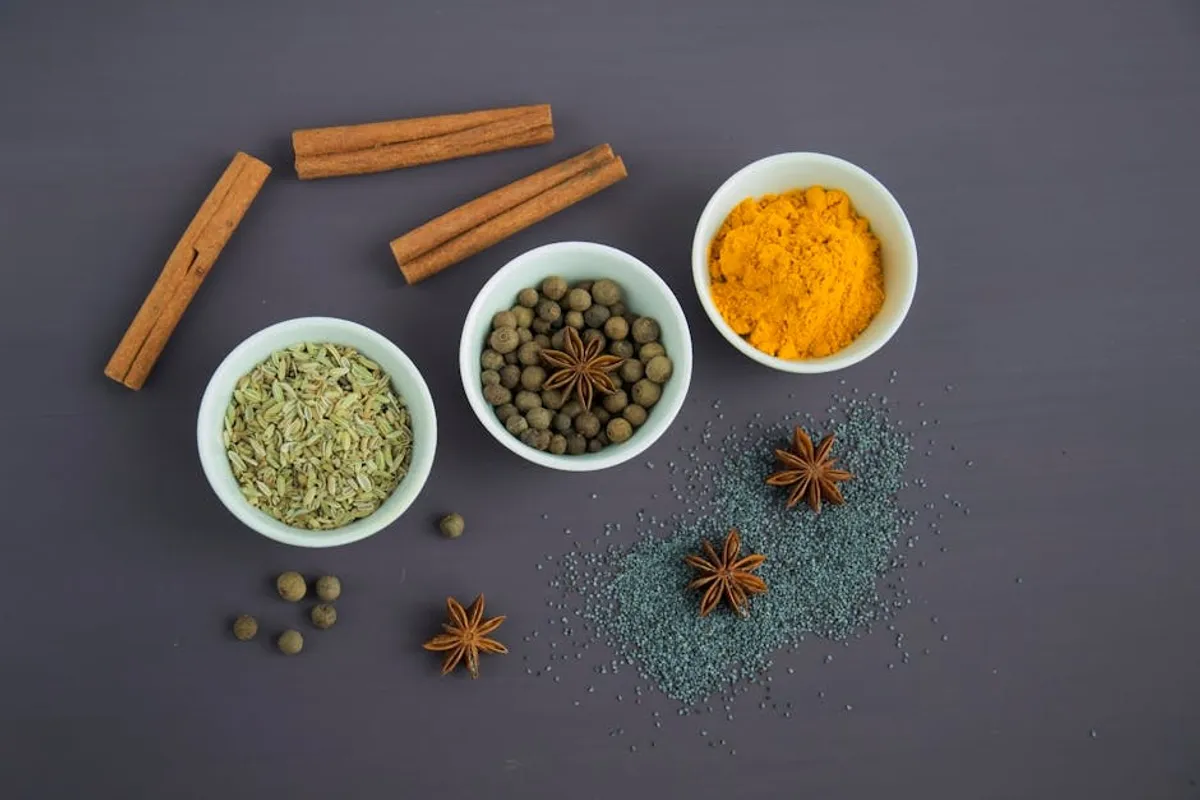
Finding a suitable replacement for allspice requires understanding its unique flavor profile, which combines notes of cinnamon, clove, and nutmeg. This complexity means a single spice rarely provides a perfect one-to-one swap. The best substitute depends on the specific dish, whether it's a sweet baked good, a savory stew, or a pickling brine, and what aspect of allspice's flavor you aim to replicate or emphasize. This guide details effective alternatives, considering their individual contributions and ideal applications, to ensure your recipe maintains its intended aromatic depth.
Understanding the Allspice Flavor Profile
Allspice, despite its name, is a single spice derived from the dried, unripe berries of the Pimenta dioica tree. Its flavor is a distinct blend, often described as a harmonious combination of cinnamon, cloves, and nutmeg, with hints of juniper and black pepper. This makes it versatile, appearing in diverse cuisines from Caribbean jerk seasonings to European baked goods and Middle Eastern stews. When seeking a substitute, the goal is to approximate this warm, pungent, and slightly sweet character, either by blending individual spices or utilizing pre-mixed spice blends that share similar components.
Direct Substitutes and Blends
Custom Cinnamon, Clove, and Nutmeg Blend
This combination offers the most accurate replication of allspice's flavor, allowing for precise adjustment to suit your recipe. The key is balance, as cloves can be particularly potent.
- Flavor Contribution: Cinnamon provides warmth and sweetness, cloves contribute a strong, pungent, and aromatic note, and nutmeg adds a woody, slightly sweet, and musky undertone.
- Substitution Ratio: For every 1 teaspoon of ground allspice, combine ½ teaspoon ground cinnamon, ¼ teaspoon ground cloves, and ¼ teaspoon ground nutmeg. Adjust the clove quantity down to ⅛ teaspoon if you prefer a less intense flavor.
- Best for: Virtually any recipe calling for allspice, including baked goods (pies, cookies), savory dishes (stews, roasts), and pickling. This blend offers the most control over the final flavor.
Pumpkin Pie Spice or Mixed Spice
These pre-blended spice mixes are convenient and already contain many of the components found in allspice, making them a quick substitute.
- Flavor Contribution: Both typically contain cinnamon, ginger, nutmeg, and cloves. Pumpkin pie spice often includes allspice itself, while mixed spice (common in the UK) might also contain coriander, caraway, or mace. The ginger content will introduce a slightly spicier, more pronounced note not always present in pure allspice.
- Substitution Ratio: Use an equal amount (1:1 ratio) of pumpkin pie spice or mixed spice for ground allspice.
- Best for: Baked goods, desserts, and sweet dishes where the additional ginger note is welcome or won't clash. Less ideal for savory applications where ginger might alter the profile too much.
Ground Cloves
If the primary aromatic note you seek from allspice is its pungent warmth, ground cloves can be a viable, though more intense, option.
- Flavor Contribution: Cloves are highly aromatic, sweet, and pungent. They are the most dominant flavor component often associated with allspice.
- Substitution Ratio: Use half the amount (1:2 ratio) of ground cloves compared to allspice, or even less, as their flavor is significantly stronger. For 1 teaspoon of allspice, start with ¼ to ½ teaspoon of ground cloves.
- Best for: Recipes where a strong, warm, and sweet-spicy note is desired, such as spiced drinks, certain stews, or small amounts in baked goods. Use with caution to avoid overpowering the dish.
Ground Cinnamon and Nutmeg Blend
This simpler blend provides warmth and sweetness without the strong pungency of cloves, suitable for more delicate flavor profiles.
- Flavor Contribution: Cinnamon offers sweet warmth, while nutmeg adds a subtle, woody depth. This combination is less complex than allspice but still provides a comforting, familiar spice note.
- Substitution Ratio: For 1 teaspoon of allspice, combine ½ teaspoon ground cinnamon and ½ teaspoon ground nutmeg.
- Best for: Lighter baked goods, fruit desserts, or dishes where a milder spice background is preferred. It lacks the sharp kick of allspice but offers a pleasant aromatic presence.
Mace
Mace is the outer covering of the nutmeg seed and shares a similar, though more delicate, flavor profile.
- Flavor Contribution: Mace offers a warm, woody, and slightly sweet flavor, similar to nutmeg but often described as more refined, with hints of pepper and citrus.
- Substitution Ratio: Use an equal amount (1:1 ratio) of ground mace for ground allspice, or slightly more if a stronger flavor is desired.
- Best for: Dishes where a subtle, nuanced spice is preferred, particularly in creamy sauces, custards, or light baked goods. It provides warmth without the boldness of cloves or cinnamon.
Pro Tip for Substitution: When using any substitute, especially a blend, always start with half the recommended amount and taste the mixture (if safe to do so, like in a batter or sauce) before adding more. Spices vary in potency, and adjusting incrementally prevents over-spicing your dish.
Practical Considerations for Substitution
Whole vs. Ground Allspice
If a recipe calls for whole allspice berries, the substitution approach changes. Whole allspice is often used in pickling, brining, or slow-cooked dishes where it infuses flavor over time. For whole allspice, use whole cloves or a combination of whole cinnamon sticks and whole cloves, allowing them to steep and release their aromas. Remove them before serving, just as you would whole allspice berries. A general guideline is 6-8 whole allspice berries per teaspoon of ground allspice.
Sweet vs. Savory Dishes
The best substitute often depends on the dish's overall flavor profile. For sweet applications like pies, cakes, or fruit crumbles, a blend heavy on cinnamon and nutmeg, or even pumpkin pie spice, works well. For savory dishes such as stews, marinades, or rubs, a blend incorporating more cloves, or even a tiny pinch of black pepper alongside the other spices, can better mimic allspice's robust character.
Dietary Needs and Allergies
When selecting a substitute, consider any dietary restrictions or allergies. If someone has an allergy to a specific spice like cinnamon or nutmeg, ensure your chosen alternative does not contain that ingredient. In such cases, focusing on single-spice swaps or carefully checking the ingredients of pre-made blends becomes critical.
Making an Informed Choice for Your Recipe
The goal of substituting allspice is not just to fill a void, but to maintain or enhance the intended flavor of your dish. Evaluate the recipe's context: Is allspice a dominant flavor or a background note? Is it a sweet or savory preparation? This assessment guides your choice, whether it's a meticulously balanced custom blend or a convenient pre-mixed option. Experimentation is key; a slight variation in your spice cabinet can lead to new, delightful flavor discoveries.
Frequently Asked Questions
Can I use just one spice instead of a blend for allspice?
While you can use a single spice like ground cloves or cinnamon, it will not fully replicate the complex, multi-faceted flavor of allspice. Single spices will emphasize one particular note (e.g., cloves for pungency, cinnamon for warmth) rather than the harmonious blend found in allspice.
What is the best allspice substitute for baking?
For most baking applications, a custom blend of ½ teaspoon ground cinnamon, ¼ teaspoon ground cloves, and ¼ teaspoon ground nutmeg per teaspoon of allspice is the most effective. Pumpkin pie spice is also a convenient option, though its ginger content will slightly alter the flavor profile.
What is the best allspice substitute for savory dishes?
For savory dishes, the custom blend of cinnamon, cloves, and nutmeg remains excellent. If you need a quick alternative, a smaller amount of ground cloves (starting with ¼ teaspoon per teaspoon of allspice) can provide the necessary pungent warmth, especially when combined with a pinch of black pepper for added depth.
Is allspice the same as mixed spice?
No, allspice is a single spice from the pimenta dioica berry, while mixed spice (also known as pudding spice) is a blend of several ground spices, typically including cinnamon, nutmeg, ginger, and cloves, and sometimes coriander or mace. While they share common components, mixed spice has its own distinct flavor profile due to the additional ingredients.