Understanding the strategic advantage of seasonal ingredients is critical for any culinary operation, especially when crafting pies. Leveraging fruits at their peak ripeness ensures superior flavor, often at a lower cost due to abundance, and resonates with consumer preferences for fresh, timely offerings. This guide outlines how to select and integrate seasonal fruits, develop complementary fillings, and apply impactful toppings to create pies that not only taste exceptional but also align with market demands throughout the year.
Understanding Seasonal Fruit Cycles for Pie Production
The foundation of an outstanding seasonal pie lies in its primary fruit. Aligning production with natural harvest cycles ensures access to the freshest, most flavorful, and often most cost-effective ingredients. Each season presents distinct fruit characteristics that influence filling preparation and overall pie profile.
- Spring: This season brings forth delicate and often tart fruits. Rhubarb, with its sharp acidity, pairs exceptionally well with strawberries, which provide sweetness and a vibrant color. Early season blueberries can also make an appearance.
Flavor Profile: Bright, tangy, often requiring balanced sugar.
Considerations: Rhubarb benefits from pre-cooking or maceration to soften its fibers and release juices. Strawberries can be very watery; proper thickening is essential.
- Summer: The peak of abundance, summer offers a wide array of sweet, juicy fruits. Peaches, cherries, raspberries, blackberries, and blueberries are prime choices. Their natural sugar content often reduces the need for excessive added sweeteners.
Flavor Profile: Sweet, succulent, aromatic.
Considerations: High water content in many summer fruits necessitates careful attention to thickening agents to prevent a soggy bottom crust. Pitting cherries and peeling peaches are labor considerations.
- Fall: As temperatures cool, the harvest shifts to heartier, more robust fruits. Apples and pears are staples, offering firm textures that hold up well during baking. Pumpkins, while botanically a fruit, function as a vegetable in pie applications, providing a dense, earthy base.
Flavor Profile: Earthy, spiced, comforting.
Considerations: Apple varieties impact texture and sweetness; choose baking apples like Honeycrisp, Granny Smith, or Braeburn for best results. Pears should be slightly firm to avoid mushiness. Pumpkin puree requires precise spicing.
- Winter: While fresh fruit options diminish, cranberries offer a tart counterpoint, often paired with apples or citrus. Citrus fruits like oranges and grapefruits, though not typical pie fillings themselves, provide zest and juice that can enhance other fillings.
Flavor Profile: Tart, bright, sometimes aromatic from spices.
Considerations: Cranberries require significant sweetening. Citrus zest provides concentrated flavor without excess liquid.
Crafting Fillings for Peak Flavor and Texture
A well-executed filling transforms seasonal fruit into a cohesive, flavorful pie experience. Beyond the fruit itself, the balance of sweetness, acidity, thickening, and complementary flavors dictates the final product's quality.
Balancing Sweetness and Acidity
The sugar content in a pie filling does more than just sweeten; it interacts with the fruit's natural acidity, enhances flavor, and contributes to the filling's texture. For tart fruits like rhubarb or cranberries, more sugar is required. Sweet fruits like ripe peaches or berries may need less, allowing their natural sugars to shine. A touch of lemon juice, even with sweet fruits, can brighten flavors and prevent fillings from tasting flat.
Selecting Thickening Agents
Preventing a runny, watery pie filling is crucial for structural integrity and mouthfeel. The choice of thickener depends on the fruit's water content and desired consistency:
- Cornstarch: Provides a clear, glossy finish. Best for fruit with high water content, like berries or cherries. Use approximately 1 tablespoon per cup of fruit.
- All-Purpose Flour: Creates a cloudier, more opaque filling. Offers a softer set than cornstarch. Use 2 tablespoons per cup of fruit for a moderate thickness.
- Tapioca (Instant or Pearl): Produces a clear, slightly gel-like consistency. Excellent for very juicy fruits as it absorbs liquid well and doesn't get clumpy. Use 1-2 tablespoons per cup of fruit, allowing pearl tapioca to sit with fruit for 15-30 minutes before baking.
- Pectin: Naturally present in some fruits, or can be added. Provides a firm, jam-like set. Less common for home pie baking but used in commercial settings.
Incorporating Complementary Flavors
Spices, extracts, and zests elevate a simple fruit filling. Cinnamon, nutmeg, and allspice are classic pairings for apples and pumpkins. Vanilla extract enhances nearly any fruit. A hint of almond extract can complement stone fruits like cherries or peaches. Citrus zest (lemon, orange) adds a bright, aromatic lift, particularly to berry or apple pies.
Pro Tip: To prevent a soggy bottom crust, pre-bake (blind bake) your pie shell for 10-15 minutes before adding the filling, especially for very juicy fruit pies. This creates a barrier and helps the crust crisp up. Additionally, ensure your fruit filling is not excessively hot when poured into an unbaked crust, as this can steam the dough prematurely.
Elevating Pies with Thoughtful Toppings
The topping of a pie is not merely decorative; it contributes significantly to texture, flavor, and visual appeal, influencing consumer perception and purchase decisions.
Classic Crust and Lattice Designs
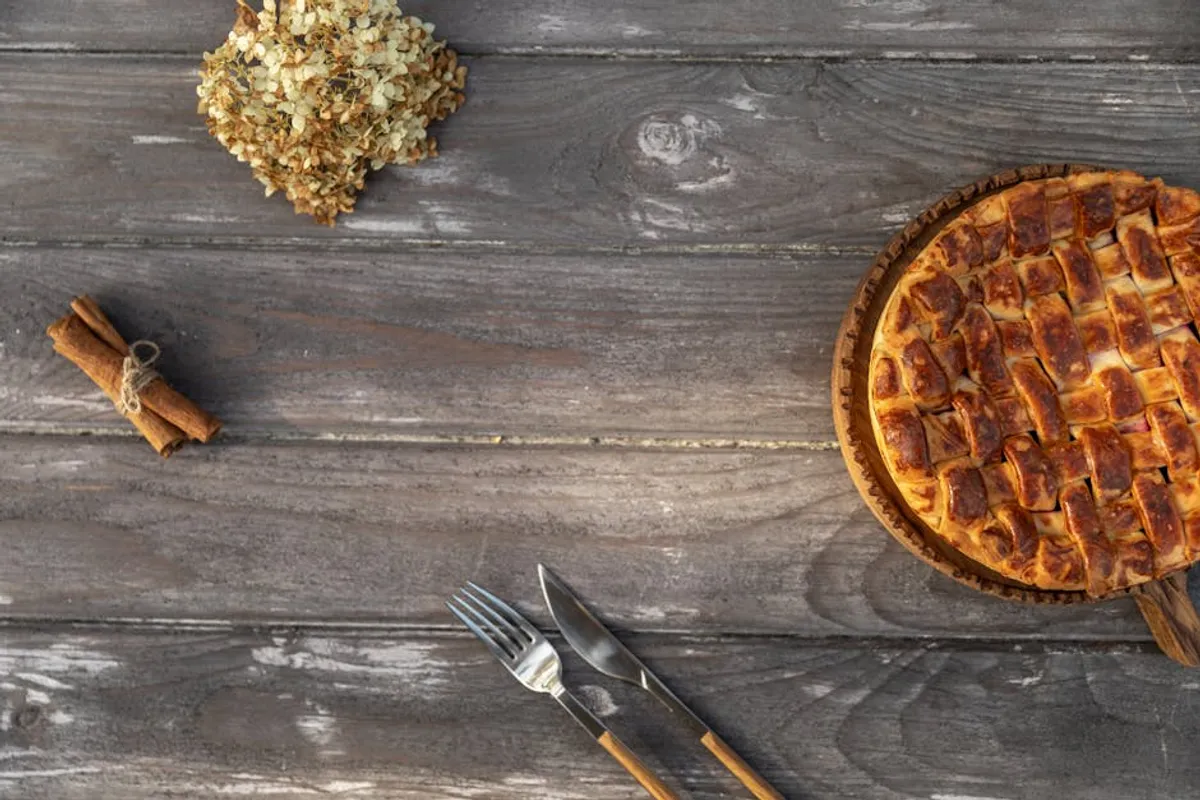
A traditional double crust or a decorative lattice offers a familiar, comforting aesthetic. A well-executed lattice allows steam to escape, preventing a gummy filling, and showcases the fruit beneath. Brushing with an egg wash and sprinkling with coarse sugar before baking adds shine and a pleasant crunch.
Crumb and Streusel Toppings
For a different textural contrast, crumb or streusel toppings provide a buttery, sweet, and often spiced layer. These are typically made from flour, sugar, butter, and sometimes oats or nuts. They are particularly popular with fruit pies like apple, peach, or berry, offering a rustic, home-baked feel. Adding toasted nuts (pecans, walnuts, almonds) to a streusel introduces another layer of flavor and crunch.
Whipped Cream and Meringue
While often added post-baking, whipped cream or meringue can transform certain pie types. Lemon meringue pie is a classic example, where the light, airy topping balances the tart citrus filling. Freshly whipped cream, lightly sweetened, provides a luxurious counterpoint to warm fruit pies, adding richness without excessive sweetness.
Maximizing Appeal Through Seasonal Offerings
Strategically integrating seasonal pies into your product line or menu can drive engagement and sales. This involves not only superior product development but also effective communication of seasonality.
Menu Planning: Develop a rotating pie menu that highlights the best of each season. This creates anticipation and encourages repeat visits or purchases. For example, "Spring Rhubarb & Strawberry Pie," "Summer Peach Melba Pie," "Autumn Spiced Apple Pie," and "Winter Cranberry-Orange Pie."
Sourcing Advantages: Emphasize local sourcing where possible. This supports local economies, often provides fresher ingredients, and can be a strong marketing point. Highlighting the origin of your seasonal fruits adds a narrative to your product.
Marketing Messaging: Clearly communicate the seasonal nature of your pies. Use language that evokes freshness, peak flavor, and limited-time availability. Visuals showcasing vibrant, ripe fruit are highly effective.
Optimizing Your Seasonal Pie Program
Building a successful seasonal pie program requires consistent quality and an understanding of ingredient dynamics. Focus on refining your recipes for each seasonal fruit, paying close attention to the specific characteristics of the produce available. Continuously evaluate customer feedback to fine-tune flavor profiles and presentation. This iterative process ensures your seasonal pie offerings remain a compelling and profitable part of your culinary repertoire.
Frequently Asked Questions About Seasonal Pies
Can I use frozen seasonal fruit in pies?
Yes, frozen seasonal fruit can be an excellent alternative, especially when fresh options are out of season or cost-prohibitive. For best results, thaw the fruit slightly and drain any excess liquid before mixing with thickeners and baking. You may need to adjust the amount of thickener slightly.
How do I prevent a soggy pie crust with very juicy fruit fillings?
Beyond blind baking the crust, several methods help: ensure your thickener ratio is correct for the fruit's water content, allow the fruit to macerate with sugar and thickener to draw out some liquid before baking, and bake at a slightly higher temperature initially to help set the bottom crust quickly.
What are the best types of apples for apple pie?
For apple pie, a blend of varieties often yields the best results, offering a balance of tartness, sweetness, and texture. Good baking apples include Granny Smith (tart, firm), Honeycrisp (sweet, crisp), Braeburn (sweet-tart, firm), and Golden Delicious (sweet, softens well). Avoid apples that turn to mush, like Red Delicious.
How far in advance can I prepare a seasonal pie?
Most fruit pies are best enjoyed the day they are baked. However, you can prepare fruit fillings a day in advance and store them refrigerated. Unbaked pies can often be assembled and refrigerated for a few hours, or even frozen for longer storage, then baked directly from frozen (adding extra baking time).