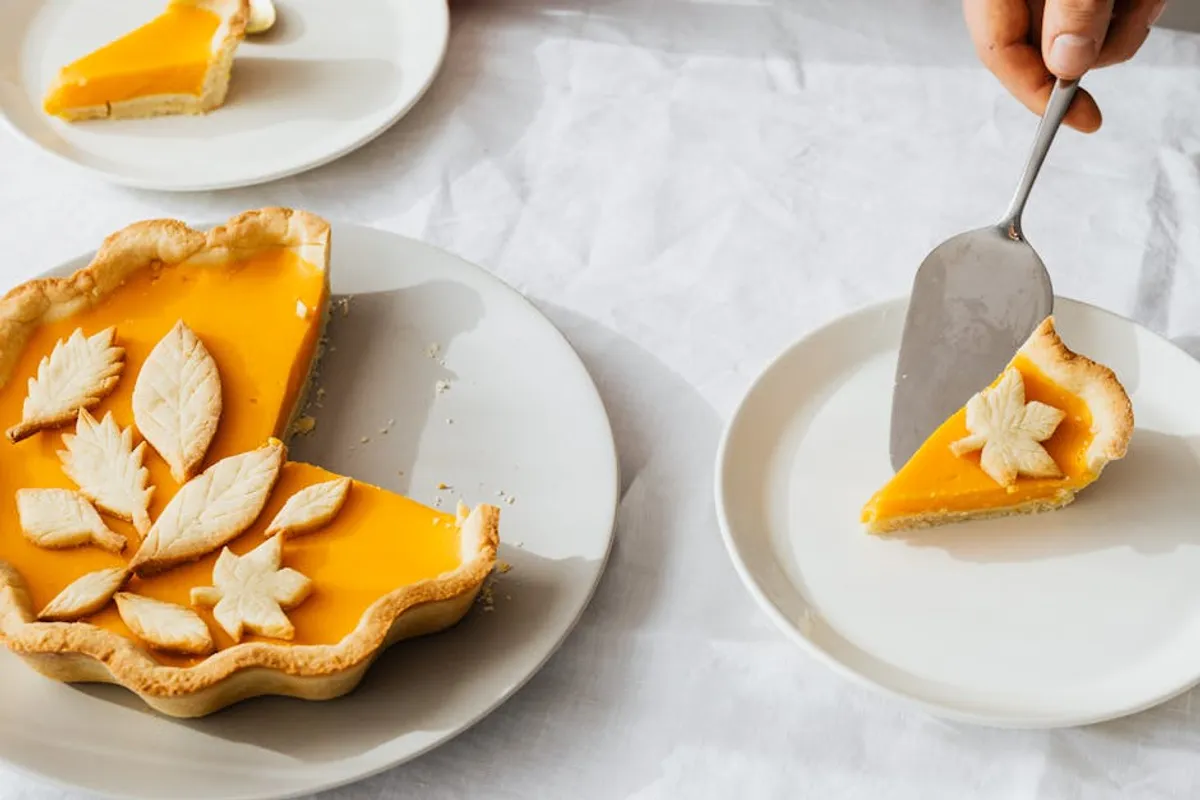
Aligning dessert offerings with the natural rhythm of the seasons is a critical strategic decision for businesses in the food service industry. This approach moves beyond simple menu updates; it directly impacts ingredient costs, marketing narratives, operational efficiency, and customer perception. Understanding how to integrate seasonal ingredients into your dessert lineup for spring, summer, fall, and winter allows for optimized inventory, fresher products, and compelling promotional opportunities that resonate deeply with consumer expectations for quality and relevance. Effective seasonal planning ensures that your dessert menu remains dynamic, appealing, and profitable throughout the year, capitalizing on peak ingredient availability and shifting consumer preferences.
Spring: Freshness and Renewal
Spring desserts focus on a sense of lightness and new beginnings, often incorporating delicate flavors and vibrant colors. This season presents an opportunity to pivot from heavier winter fare to refreshing, fruit-forward options.
Ingredient Sourcing and Cost Efficiency
The commercial advantage of spring lies in the availability of fresh produce like strawberries, rhubarb, lemons, and early berries. Sourcing these ingredients locally and in season significantly reduces procurement costs and ensures peak flavor. This allows for higher profit margins on items that command a premium due to their freshness and perceived quality.
- Key Spring Ingredients: Strawberries, rhubarb, asparagus (for savory applications, but some desserts use it), mint, lemon, lime, early cherries, elderflower.
- Menu Considerations: Tarts, mousses, parfaits, light cakes, sorbets, and custards. Emphasize bright, acidic, and floral notes.
Marketing Spring Offerings
Promote spring desserts by highlighting their "farm-to-table" appeal and natural ingredients. Visuals should emphasize pastel colors, fresh fruit garnishes, and outdoor settings. Campaigns can tie into holidays such as Easter, Mother's Day, or graduation season, offering themed specials that drive additional traffic and sales.
Pro Tip: Implement a rolling inventory system for seasonal produce. This minimizes waste by ensuring ingredients are purchased at their peak and consumed before spoilage, directly impacting your bottom line. Forecast demand carefully, as seasonal ingredient availability can fluctuate rapidly.
Summer: Bright Flavors and Cool Treats
Summer demands desserts that are refreshing, often chilled, and capable of standing up to warmer temperatures. This season is synonymous with outdoor dining and a desire for vibrant, juicy flavors.
Capitalizing on Peak Fruit Season
Berries, peaches, plums, and melons are at their peak during summer, offering intense natural sweetness and reducing the need for added sugars. This allows for cleaner ingredient lists, appealing to health-conscious consumers. The abundance of these fruits makes them cost-effective and versatile for a wide range of applications.
Best for: Gelatos, ice creams, granitas, fruit salads, pavlovas, pies, and no-bake cheesecakes. Focus on minimizing oven use to align with kitchen efficiency during hot months.
Creating Experiential Desserts
Summer is ideal for desserts that offer an experience, such as build-your-own sundae bars or fruit-focused dessert stations. These interactive elements increase customer engagement and can justify a higher price point. Leverage outdoor spaces for dessert service, enhancing the overall dining experience.
Fall: Comfort and Warm Spices
As temperatures drop, consumer preferences shift towards comforting, warm, and spiced desserts. Fall provides an opportunity to utilize hearty, earthy ingredients.
Harvest-Driven Menu Development
Apples, pumpkins, pears, cranberries, and root vegetables become central to fall dessert menus. These ingredients are typically robust, have a longer shelf life, and are excellent for baking. The commercial benefit lies in their affordability and versatility for bulk preparations, which can streamline kitchen operations during busy periods.
Common Fall Ingredients: Apples, pumpkin, squash, cinnamon, nutmeg, cloves, ginger, pecans, walnuts, maple syrup, caramel.
Marketing Warmth and Nostalgia
Promote fall desserts using imagery of cozy gatherings, warm drinks, and harvest themes. Focus on the comforting and nostalgic aspects of these flavors. Holiday tie-ins like Halloween, Thanksgiving, and early winter festivities (e.g., pre-Christmas events) provide natural marketing hooks for special menus and limited-time offers.
Winter: Richness and Indulgence
Winter desserts lean into richness, indulgence, and celebratory themes. This season often features heavier ingredients, chocolate, and festive presentations.
Embracing Decadence and Holiday Themes
Chocolate, nuts, dried fruits, and warming spices dominate winter menus. These ingredients are generally shelf-stable, making inventory management straightforward. The focus on celebratory and indulgent items allows for higher price points, especially for elaborate plated desserts or holiday-themed baked goods.
Typical Winter Desserts: Flourless chocolate cakes, Yule logs, fruitcakes, spiced puddings, custards, gingerbread, peppermint-infused items.
Strategic Holiday Promotions
The holiday season (Christmas, New Year's) offers the most significant commercial opportunity for winter desserts. Develop special holiday dessert menus, gift boxes, and catering options. Leverage festive packaging and strong visual merchandising to drive impulse purchases and pre-orders. Consider offering dessert pairings with seasonal beverages like mulled wine or specialty coffees to increase average check size.
Optimizing Your Seasonal Dessert Strategy
A well-executed seasonal dessert strategy is more than just changing ingredients; it's about creating a consistent, engaging experience for your customers while optimizing your business operations. Begin by analyzing past sales data to identify peak demand for certain flavors or dessert types during each season. This data-driven approach informs purchasing decisions and minimizes waste. Establish relationships with local suppliers to secure fresh, high-quality ingredients at competitive prices, reinforcing a commitment to community and freshness that resonates with consumers. Finally, ensure your marketing efforts clearly communicate the seasonal nature and unique benefits of each dessert, from its origin story to its flavor profile. This holistic approach transforms seasonal menu changes from a logistical task into a powerful commercial advantage.
Frequently Asked Questions
How far in advance should seasonal dessert menus be planned?
Planning should ideally begin 2-3 months before the start of a new season. This allows ample time for ingredient sourcing, recipe testing, staff training, and marketing material development, ensuring a smooth transition and effective launch.
What is the most effective way to market seasonal desserts?
Utilize high-quality photography across all digital channels, including social media, email newsletters, and your website. Highlight specific seasonal ingredients, their freshness, and any local sourcing. In-store signage, specials boards, and staff recommendations are also crucial for driving immediate interest.
How can businesses manage ingredient fluctuations for seasonal items?
Diversify suppliers where possible and maintain flexibility in recipes to allow for minor ingredient substitutions if necessary. Building strong relationships with local farmers can provide early warnings about potential shortages or surpluses, enabling proactive menu adjustments or bulk purchasing opportunities.
Should seasonal desserts completely replace core menu items?
Typically, seasonal desserts complement a core menu rather than completely replacing it. Maintaining a few signature, year-round dessert items provides consistency, while seasonal additions create excitement and encourage repeat visits without alienating regular customers who have established favorites.