
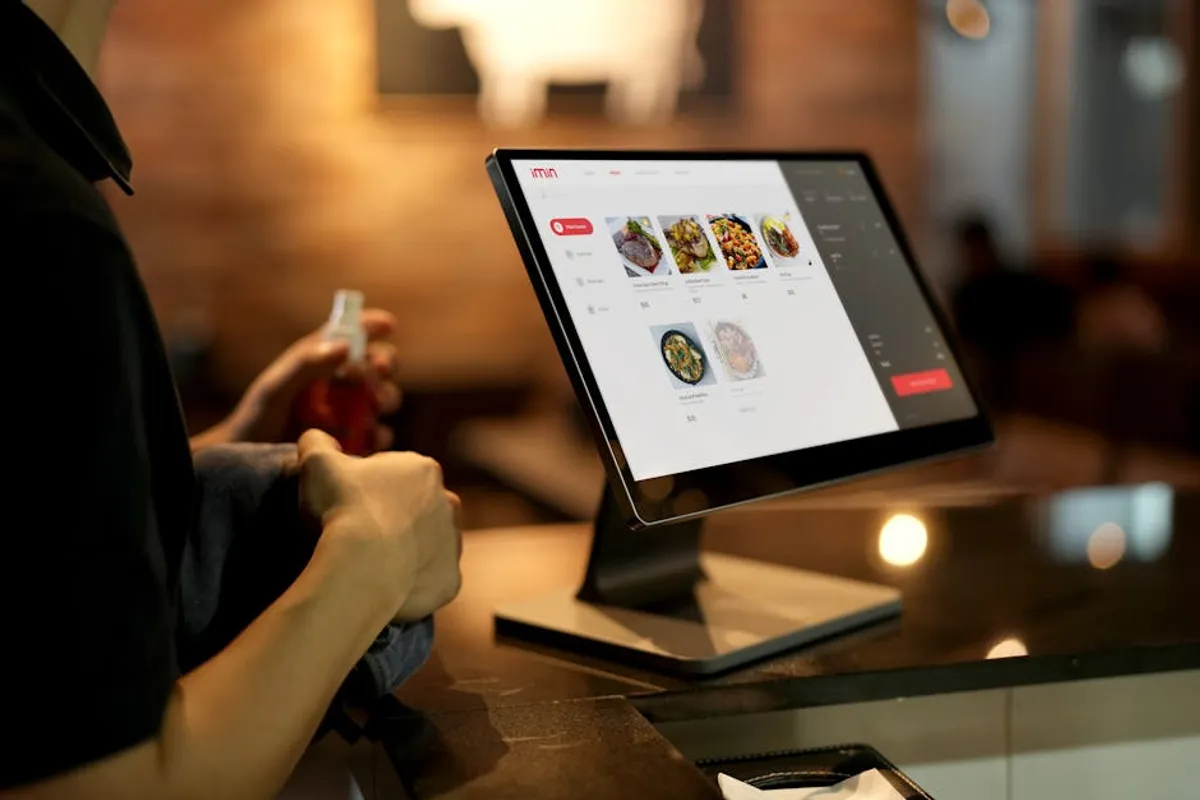
For restaurants, attracting customers often begins with visibility to those nearby. Local search engine optimization (SEO) is not merely an optional marketing tactic; it is a foundational requirement for any establishment aiming to fill its tables consistently. Diners frequently search for "restaurants near me" or specific cuisine types within a geographic radius, and appearing prominently in these results directly translates to increased foot traffic, reservations, and ultimately, revenue. This checklist details the essential local SEO components restaurants must implement and maintain to capture this critical local demand effectively.
Google Business Profile Optimization
Your Google Business Profile (GBP) acts as your restaurant's primary digital storefront in local search results. Its optimization directly impacts your ranking in the local pack and Google Maps, making it the most critical local SEO factor.
Core Information Accuracy and Completeness
Ensure every field within your GBP is accurately filled and consistently updated. Inconsistencies or omissions can confuse search engines and potential customers, leading to missed opportunities. Key elements include:
- Business Name: Use your exact legal business name. Avoid keyword stuffing, as this can trigger penalties.
- Address: Provide your precise street address, ensuring it matches your official records.
- Phone Number: Use a local number that is actively monitored for reservations and inquiries.
- Website: Link directly to your restaurant's official website.
- Hours of Operation: Keep these meticulously updated, including special holiday hours. Inaccurate hours are a leading cause of customer frustration and negative reviews.
- Categories: Select all relevant categories that accurately describe your restaurant's offerings (e.g., "Italian Restaurant," "Pizza Place," "Vegan Restaurant"). Google allows multiple categories, with the primary category being most influential.
- Description: Craft a concise, keyword-rich description of your restaurant, highlighting unique selling points, cuisine, and atmosphere.
- Services/Menu: Utilize the menu link feature or upload your menu directly. For service-based businesses, detail specific offerings.
Photos and Virtual Tours
High-quality visuals significantly enhance your GBP's appeal and engagement. Restaurants should upload professional photos of their interior, exterior, popular dishes, and staff. Virtual tours, though less common, offer an immersive experience that can differentiate your listing. Google reports that businesses with photos receive more requests for directions and website clicks. Aim for a diverse set of images that convey your restaurant's ambiance and culinary quality.
Review Management Strategy
Customer reviews are a powerful ranking signal and a direct influence on conversion. Google prioritizes businesses with a high volume of positive reviews. Develop a proactive strategy for soliciting and responding to reviews:
- Encourage Reviews: Implement polite prompts at the point of sale, on receipts, or via post-visit emails. Avoid incentivizing reviews, as this violates Google's guidelines.
- Respond to All Reviews: Acknowledge positive feedback with gratitude. For negative reviews, respond promptly, professionally, and empathetically. Address specific concerns and offer solutions offline where appropriate. This demonstrates excellent customer service and commitment to improvement.
Pro Tip: When responding to negative reviews, never get defensive. Acknowledge the customer's experience, apologize for any shortcomings, and offer a path to resolution. A well-handled negative review can often turn a detractor into a loyal customer and positively influence how other potential diners perceive your establishment.
On-Site Local SEO Fundamentals
Beyond your GBP, your restaurant's website must be optimized to reinforce your local relevance to search engines and provide a seamless experience for local diners.
Location-Specific Content
Your website should feature content that clearly signals your geographic location and target audience. This includes:
- Dedicated Location Pages: If you have multiple restaurant locations, each needs its own distinct page with unique content, including address, phone number, hours, directions, and local landmarks.
- "About Us" Page: Detail your restaurant's history, connection to the local community, and any local sourcing practices.
- Local Event Integration: Showcase participation in local events, partnerships with local businesses, or community sponsorships. This builds local relevance and authority.
- Menu Pages: Ensure your online menu is easily accessible, mobile-friendly, and includes specific dish names and descriptions that might be searched locally.
Structured Data Implementation
Schema markup (structured data) helps search engines understand the specific type of information on your pages. For restaurants, implementing Restaurant or FoodEstablishment schema is crucial. This can highlight your average rating, price range, cuisine type, and address directly in search results, improving click-through rates. Tools are available to generate this code, which is then embedded into your website's HTML.
Local Citations and Backlinks
Citations are mentions of your restaurant's Name, Address, and Phone number (NAP) across the web. Consistent and accurate NAP information across various directories and platforms is a key local ranking factor.
Consistent NAP Information
Audit your NAP information across all online directories. This includes major platforms like Yelp, TripAdvisor, Foursquare, and local business directories. Inconsistencies can confuse search engines and dilute your local authority. Use a consistent format for your address and phone number everywhere it appears.
Local Link Building Tactics
Backlinks from relevant local websites signal authority and relevance to search engines. Focus on acquiring links from:
- Local news outlets or food blogs that review restaurants.
- Community organizations or chambers of commerce.
- Local event calendars if you host or participate in events.
- Suppliers or partners (e.g., local farms, breweries).
These links pass valuable "link equity" and reinforce your restaurant's local relevance within the digital ecosystem.
Mobile Experience and Page Speed
A significant portion of local searches occur on mobile devices. Google prioritizes mobile-friendly websites in its search rankings. Ensure your restaurant's website is responsive, loads quickly, and offers an intuitive user experience on smartphones. Slow loading times and non-responsive designs lead to high bounce rates and lost customers. Test your site's mobile-friendliness and page speed using Google's free tools.
Ongoing Performance Monitoring
Local SEO is not a one-time task; it requires continuous monitoring and adaptation. Regularly review your Google Business Profile insights for customer engagement data, track your local rankings for target keywords, and analyze website traffic from local searches. This data informs adjustments to your strategy, such as refining your GBP categories, updating menu items, or addressing emerging negative review patterns. Competitor analysis also provides valuable insights into what is working for other successful restaurants in your area.
Sustaining Local Visibility
Maintaining a strong local SEO presence for your restaurant is an ongoing commitment that directly impacts your bottom line. By meticulously optimizing your Google Business Profile, ensuring your website is locally relevant and technically sound, building a network of consistent citations and local backlinks, and providing an excellent mobile experience, you establish a robust digital foundation. Regular monitoring and adaptation to search engine updates and customer feedback are not just best practices; they are essential for consistently attracting nearby diners and securing your restaurant's position as a local favorite.
Frequently Asked Questions
How often should I update my Google Business Profile?
Your GBP should be reviewed and updated at least quarterly, or immediately if there are any changes to hours, menu, or services. Photos should be added regularly to keep the profile fresh and engaging.
What is the most important factor for local restaurant SEO?
While all elements are interconnected, an optimized and actively managed Google Business Profile is the single most critical factor, as it directly influences visibility in the local pack and Google Maps.
How do I get more reviews for my restaurant?
Politely ask satisfied customers for reviews in person, on receipts, or via email. Make the process easy by providing direct links to your GBP. Focus on providing exceptional service to naturally encourage positive feedback.
Are local backlinks really necessary for a restaurant?
Yes, local backlinks from reputable community sources signal to search engines that your restaurant is a relevant and trusted part of the local ecosystem, which can significantly boost your local search authority.



