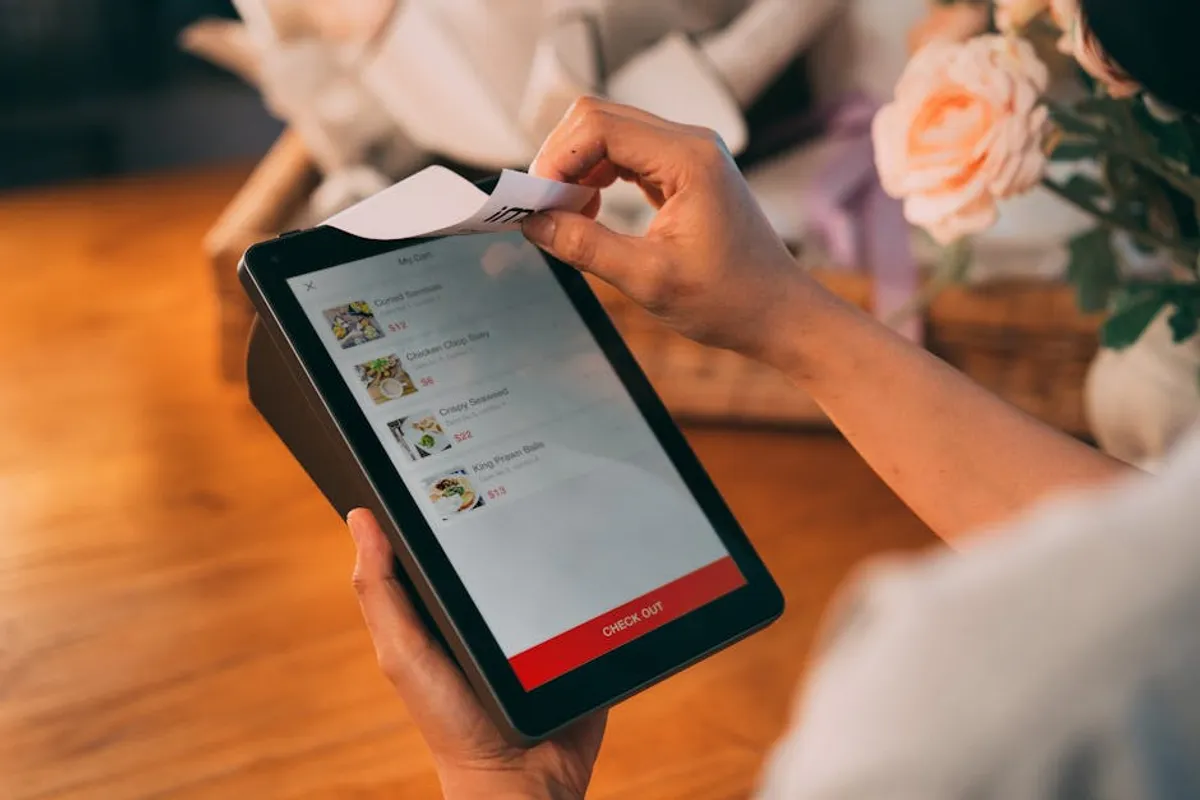
Effective menu descriptions are not merely lists of ingredients; they are potent sales tools, directly influencing customer choices and perceived value. For restaurants, cafes, or food delivery services, these descriptions represent a critical touchpoint, often the sole determinant in a customer's decision to order a specific item. Crafting them with precision means understanding how language triggers appetite, evokes memory, and communicates quality, ultimately driving higher order values and customer satisfaction.
The Psychology Behind Appetizing Language
Successful menu descriptions tap into primal human desires, creating a vivid mental image of the dish before it even arrives. This isn't about flowery prose, but strategic word choice that engages the senses and builds anticipation, directly translating to increased desire and perceived deliciousness.
Sensory Language: Engaging Sight, Smell, and Taste
The most effective descriptions use words that allow diners to "taste" and "experience" the dish before they order. This involves a deliberate focus on texture, aroma, and flavor profiles. Instead of simply stating "chicken," consider "pan-seared chicken breast with a crispy skin," which immediately conjures a specific texture and cooking method. Similarly, "rich, velvety chocolate mousse" conveys a luxurious mouthfeel that "chocolate dessert" does not. These sensory cues activate the brain's reward centers, making the dish more desirable.
Origin Stories and Provenance: Building Trust and Value
Highlighting the origin or specific preparation method of an ingredient adds a layer of authenticity and perceived quality. Phrases like "locally sourced heirloom tomatoes," "slow-braised pork belly," or "hand-pulled mozzarella" communicate care, craftsmanship, and often, a higher standard of ingredients. This transparency builds trust with the customer and can justify a premium price point, as it suggests a unique or superior culinary experience.
Structuring Your Descriptions for Maximum Impact
Beyond word choice, the layout and information hierarchy of your menu descriptions play a crucial role in readability and persuasion. A well-structured description guides the eye and provides essential information without overwhelming the diner.
The Core Components: Dish Name, Key Ingredients, and Preparation
Every description should logically flow from the dish's name to its most compelling attributes. Start with a clear, evocative dish name. Follow with 2-3 primary ingredients that define its character, then briefly describe the preparation method. For instance, "Spicy Shrimp Scampi: Succulent Gulf shrimp, sautéed with garlic, chili flakes, and white wine, served over linguine." This structure provides immediate clarity and highlights the dish's unique selling points.
Conciseness and Clarity: Avoiding Overwhelm
While descriptive language is vital, brevity remains key. Diners scan menus quickly. Long, convoluted descriptions can deter rather than entice. Aim for descriptions that are informative yet compact, typically one to two sentences. Each word must earn its place by contributing directly to the dish's appeal or clarifying a key component. Avoid redundant adjectives or overly complex culinary jargon that might confuse a broader audience.
Words That Work: A Lexicon for Culinary Appeal
Selecting the right adjectives and verbs can dramatically elevate a menu item's perceived deliciousness. Focus on words that are specific, evocative, and universally understood to imply quality and flavor.
- Texture: Crispy, crunchy, flaky, tender, succulent, velvety, creamy, chewy, fluffy, melt-in-your-mouth.
- Flavor: Smoky, zesty, tangy, spicy, robust, earthy, sweet, savory, aromatic, rich, bright, caramelized, herbaceous.
- Preparation: Slow-roasted, pan-seared, wood-fired, char-grilled, hand-crafted, house-made, braised, oven-baked, fresh-picked, stone-ground.
- Origin/Quality: Local, artisanal, heirloom, wild-caught, farm-fresh, premium, aged, prime, organic, sustainable.
Common Pitfalls to Avoid
Even with good intentions, menu descriptions can fall flat if common mistakes are not recognized and corrected. These missteps can dilute appeal or even deter orders.
Pro Tip: Avoid generic terms like "delicious," "tasty," or "good." These words are subjective and convey no specific information about the dish. Instead, describe why it's delicious by focusing on its unique ingredients, textures, and flavor profiles. For example, rather than "delicious chicken soup," write "hearty chicken noodle soup with tender pulled chicken, fresh vegetables, and savory herbs."
Another common error is using overly technical culinary jargon without explanation. While appealing to chefs, terms like "sous vide" or "demi-glace" can be intimidating or meaningless to the average diner, creating a barrier rather than an invitation. If such terms are essential to the dish's identity, provide a brief, accessible explanation.
Testing and Refinement
Menu descriptions are not static; they are dynamic elements that can be optimized over time. Treat them as a living document, subject to continuous improvement based on performance data.
Implement A/B testing where feasible, comparing the sales performance of items with different descriptions. Track which dishes sell best and correlate this with their description quality. Gather feedback from staff regarding customer questions or comments about specific menu items. This iterative process allows for data-driven adjustments, ensuring descriptions consistently align with customer preferences and drive commercial outcomes. Small tweaks to a single adjective can sometimes lead to measurable increases in a dish's popularity.
Making Your Menu Descriptions Drive Sales
Compelling menu descriptions are a direct investment in your commercial success. By strategically employing sensory language, highlighting provenance, maintaining concise structures, and continuously refining your approach, you transform a simple list into a powerful marketing tool. Each word chosen is an opportunity to elevate the dining experience and convert browsing into ordering, directly impacting your bottom line through increased sales and enhanced customer perception of value.
Frequently Asked Questions
How long should a menu description be?
Ideally, menu descriptions should be one to two sentences, concise enough for quick scanning but detailed enough to convey key information and sensory appeal. Focus on impact per word.
Should I list all ingredients in a menu description?
No, list only the 2-3 most important or unique ingredients that define the dish and entice the customer. Essential allergens should be noted separately or upon request, not within the main description.
How can I make a common dish sound unique?
Focus on the specific preparation method, the origin of a key ingredient, or a unique flavor combination. For example, instead of "French fries," try "crispy hand-cut Yukon Gold fries, seasoned with sea salt and rosemary."
Is it better to use formal or informal language in menu descriptions?
The best approach depends on your brand's overall tone and target audience. A fine dining establishment might use more sophisticated language, while a casual cafe could opt for a more relaxed, approachable style. Consistency with your brand voice is key.