For small restaurant owners, anticipating future food trends is not a speculative exercise; it’s a critical component of strategic planning and sustained profitability. The culinary landscape shifts constantly, driven by evolving consumer preferences, technological advancements, and supply chain dynamics. Identifying which trends will gain traction by 2026 allows restaurants to adapt menus, optimize sourcing, and refine their operational models proactively, securing a competitive edge in a demanding market. This foresight helps avoid costly missteps and positions establishments to meet demand rather than react to it, influencing everything from ingredient procurement to marketing narratives.
The Shifting Palate: Key Demographic and Lifestyle Drivers
Health-Conscious Evolution: Beyond Diet Fads
The pursuit of health in dining continues to mature, moving past transient diet fads towards a more holistic understanding of well-being. By 2026, consumers will increasingly seek foods that offer tangible functional benefits, such as improved gut health, enhanced cognitive function, or sustained energy. This translates to demand for ingredients rich in probiotics, prebiotics, adaptogens, and specific micronutrients. Small restaurants can capitalize by integrating these components into existing dishes or developing new menu items that highlight these properties. For example, offering fermented vegetables as a side, incorporating mushroom varieties known for adaptogenic qualities, or using ancient grains with higher nutritional density.
Commercial Application: Develop menu descriptions that explicitly call out functional benefits. Source ingredients from suppliers who can verify nutritional profiles or sustainable farming practices, which adds a layer of trust and transparency for health-aware patrons.
Sustainability as a Core Value: Sourcing and Waste
Consumer awareness of environmental impact will deepen significantly by 2026, making sustainable practices a non-negotiable expectation for many diners. This extends beyond local sourcing to encompass ethical labor practices, reduced food waste, and minimized carbon footprints. Small restaurants have an opportunity to differentiate themselves by implementing visible sustainability initiatives. This includes partnering with local farms that practice regenerative agriculture, utilizing nose-to-tail or root-to-stem cooking to reduce waste, and transparently communicating these efforts to customers. Packaging choices for takeout and delivery will also be scrutinized, favoring compostable or reusable options over single-use plastics.
Operational Impact: Re-evaluate supplier relationships to prioritize those with verifiable sustainability certifications. Implement robust inventory management systems to minimize spoilage and waste. Consider composting programs or donating excess food to local charities.
Emerging Culinary Categories and Ingredients
Global Flavors with Local Interpretations
The exploration of global cuisines will continue, but with a refined focus on authentic regional specialties and their integration with local ingredients. Diners will seek nuanced flavors from less-explored culinary traditions, moving beyond generalized "Asian" or "Latin" categories towards specific regional dishes like Oaxacan mole, Georgian khachapuri, or West African stews. Small restaurants can introduce these flavors by collaborating with local chefs from diverse backgrounds or by adapting traditional recipes using seasonally available ingredients, creating a unique fusion that resonates with both adventurous and locally-minded diners.
Menu Development: Introduce a rotating "global special" that highlights a specific regional cuisine. Train staff to articulate the origin story and flavor profiles of these dishes, enhancing the dining experience.
Plant-Forward Innovation: Not Just Veganism
While vegan and vegetarian options remain crucial, the broader trend is "plant-forward" dining – emphasizing vegetables, fruits, grains, and legumes as the star of the plate, even in dishes that may still contain meat or dairy. This approach appeals to a wider demographic, including flexitarians and those simply seeking to reduce meat consumption without eliminating it entirely. Expect to see more innovative vegetable preparations, advanced plant-based meat alternatives that mimic texture and flavor more closely, and a greater variety of plant-based dairy and egg substitutes in mainstream dishes.
Market Opportunity: Develop signature plant-forward dishes that are inherently appealing, rather than simply offering vegetarian versions of meat-centric meals. Experiment with less common vegetables and preparation techniques to create novel textures and flavors.
Functional Foods and Adaptogens
The integration of ingredients known for specific health benefits, often referred to as functional foods or adaptogens, will expand beyond health stores and into mainstream restaurant menus. This includes ingredients like reishi mushrooms for stress reduction, turmeric for anti-inflammatory properties, matcha for sustained energy, and various fermented foods for gut health. Small restaurants can subtly incorporate these into beverages, desserts, or even savory dishes, positioning them as an added value for health-conscious patrons.
Customer Appeal: Offer optional additions like a "wellness shot" with adaptogenic herbs, or a dessert infused with beneficial spices. Clearly communicate the perceived benefits without making unsubstantiated health claims.
Operational and Experiential Trends
Hyper-Personalization: Customization at Scale
Diners increasingly expect a personalized experience, from customized orders to tailored recommendations. Technology will play a larger role in enabling this, but small restaurants can also achieve it through attentive service and flexible menu options. This includes offering more build-your-own meal components, accommodating dietary restrictions with ease, and remembering customer preferences for repeat patrons. The goal is to make each diner feel uniquely catered to, fostering loyalty and positive word-of-mouth.
Service Enhancement: Train staff to proactively ask about dietary needs and preferences. Implement a simple system for noting customer preferences for regulars. Offer customizable dishes where components can be easily swapped or added.
Pro Tip: When integrating new trends, start small. Introduce one or two new dishes or ingredients as specials to gauge customer interest and gather feedback before committing to a full menu overhaul. This minimizes risk and allows for agile adaptation based on real-world demand.
Technology Integration for Efficiency and Engagement
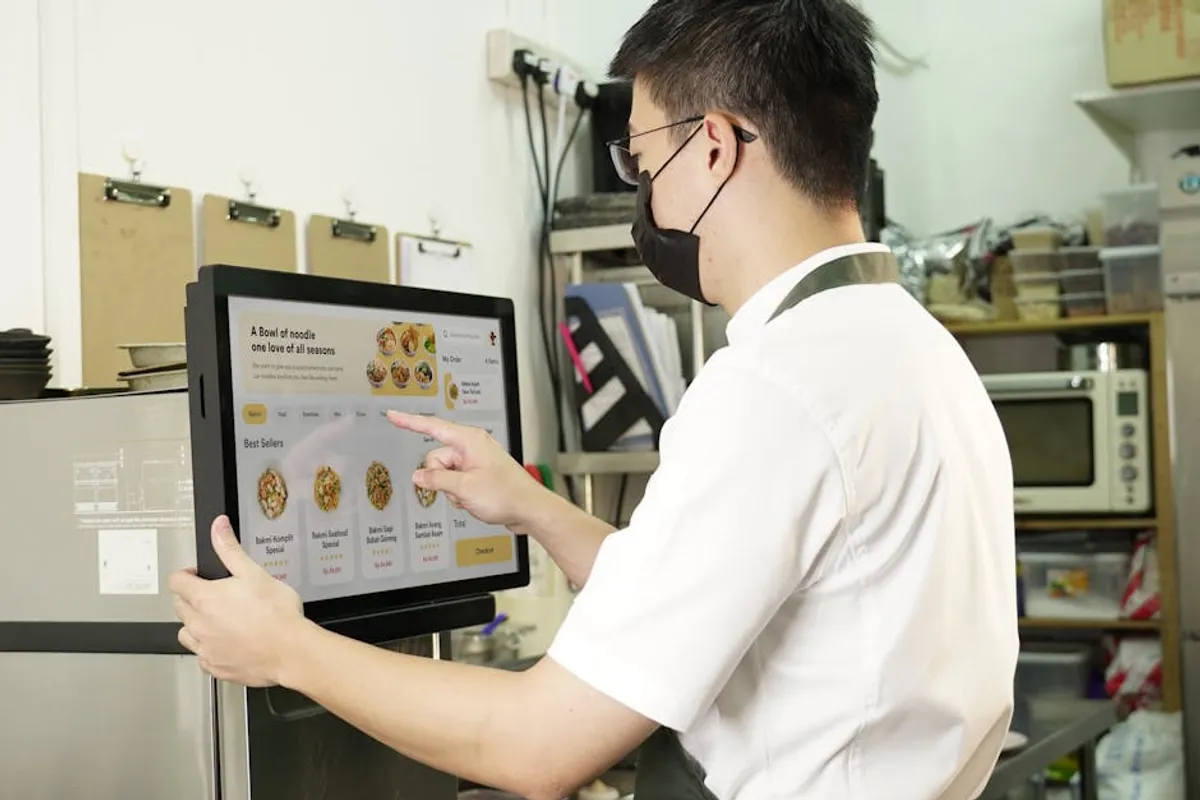
While large chains leverage extensive tech stacks, small restaurants can selectively adopt technologies that enhance efficiency and customer engagement without prohibitive costs. By 2026, this will include more sophisticated online ordering systems that integrate with loyalty programs, AI-powered reservation platforms that optimize seating, and even digital menu boards that can be updated instantly to reflect seasonal changes or daily specials. Contactless payment options will be standard, and some establishments may explore augmented reality (AR) elements for menu presentation or interactive dining experiences.
Investment Focus: Prioritize technology that directly solves an operational bottleneck (e.g., reducing phone orders) or significantly improves the customer journey (e.g., seamless online booking). Evaluate ROI carefully before adopting new systems.
The Evolving Dine-Out Experience: Atmosphere and Storytelling
Beyond the food itself, the overall dining experience will become even more crucial. Consumers seek environments that offer more than just a meal; they want an escape, a social hub, or an authentic cultural immersion. Small restaurants can excel here by crafting unique atmospheres, telling compelling stories behind their ingredients or culinary philosophy, and fostering a sense of community. This could involve themed evenings, live local music, art installations, or chef's table experiences that allow for direct interaction.
Brand Building: Define your restaurant's unique narrative and ensure it's reflected in the décor, menu design, and staff interactions. Create events or promotions that enhance the experiential aspect of dining.
Strategic Integration for Small Restaurants
Successfully navigating the food trends of 2026 requires a structured approach. Begin by conducting a thorough analysis of your current customer base and local market demographics to identify which trends align best with your existing brand and operational capabilities. Next, initiate conversations with your current suppliers to understand their capacity to provide trending ingredients or support sustainable practices. This proactive engagement can lead to new product offerings or more efficient sourcing strategies. Finally, develop a phased implementation plan, starting with low-risk menu additions or operational adjustments. Gather customer feedback continually, using it to refine your approach and ensure that trend adoption genuinely enhances the dining experience and your restaurant's profitability.
Frequently Asked Questions
How can a small restaurant afford to implement new trends?
Focus on incremental changes rather than complete overhauls. Start by introducing one or two trend-aligned specials or updating a few existing menu items with trending ingredients. Leverage existing equipment and supplier relationships where possible to minimize initial investment.
Which trends offer the best return on investment for small restaurants?
Trends that align with operational efficiency (e.g., food waste reduction, technology for online orders) often offer direct cost savings. Trends that enhance customer experience (e.g., personalization, unique atmosphere) can drive repeat business and positive reviews, leading to indirect revenue growth.
Should small restaurants chase every new trend?
No. Attempting to adopt too many trends simultaneously can dilute your brand identity and strain resources. Select trends that authentically align with your restaurant's concept, target audience, and operational capacity. Authenticity and quality will always outweigh superficial trend adoption.
How can small restaurants stay updated on emerging trends?
Regularly read industry publications, attend local food festivals or trade shows, follow influential food critics and chefs on social media, and pay attention to what larger chains or innovative independent restaurants are doing. Customer feedback and direct conversations are also invaluable resources.