For any small restaurant, food safety is not merely a regulatory obligation; it is the bedrock of customer trust, brand reputation, and long-term financial viability. A single foodborne illness incident can lead to severe operational disruption, legal repercussions, and irreversible damage to public perception. Proactive implementation of fundamental food safety protocols is therefore an essential investment, safeguarding both patrons and the business itself against costly and preventable crises. This review outlines critical areas where small establishments must focus their efforts to maintain a safe dining environment.
Establishing Core Temperature Controls
Controlling food temperatures is paramount for preventing the proliferation of harmful bacteria. The "danger zone" for food, typically between 40°F (4°C) and 140°F (60°C), allows pathogens to multiply rapidly. Strict adherence to proper temperature management at every stage of food handling is non-negotiable.
Receiving and Storage Protocols
Upon delivery, all potentially hazardous foods (PHF) must be immediately checked for appropriate temperatures. Refrigerated items should arrive at or below 40°F (4°C), and frozen items must be solid. Any product showing signs of thawing or temperature abuse should be rejected. Proper storage involves:
- Storing raw meats, poultry, and seafood below ready-to-eat foods to prevent drip contamination.
- Maintaining refrigerators at 38°F (3°C) or below and freezers at 0°F (-18°C) or below.
- Labeling all stored food with dates of receipt and opening, adhering to a "first-in, first-out" (FIFO) inventory system to ensure freshness and reduce waste.
Cooking and Reheating Standards
Cooking foods to their appropriate internal temperatures effectively eliminates most pathogens. Specific minimum internal temperatures vary by food type:
- Poultry (whole or ground): 165°F (74°C)
- Ground meat (beef, pork, lamb): 160°F (71°C)
- Pork, beef, veal, lamb (steaks, chops, roasts): 145°F (63°C) with a 3-minute rest time
- Fish and seafood: 145°F (63°C)
- Leftovers and reheated dishes: 165°F (74°C)
Use a calibrated food thermometer to verify temperatures, inserting it into the thickest part of the food without touching bone.
Holding and Cooling Procedures
Hot foods must be held at 140°F (60°C) or above, and cold foods at 40°F (4°C) or below. When cooling hot foods for later use, rapidly reduce their temperature through a two-stage process:
- From 140°F (60°C) to 70°F (21°C) within two hours.
- From 70°F (21°C) to 40°F (4°C) within an additional four hours.
Methods for rapid cooling include dividing food into smaller portions, using shallow pans, ice baths, or specialized chilling equipment.
Mitigating Cross-Contamination Risks
Cross-contamination, the transfer of harmful bacteria from one food item or surface to another, is a leading cause of foodborne illness. Preventing it requires diligent practices across the kitchen.
Dedicated Equipment and Surfaces
Assign separate cutting boards, utensils, and containers for raw meats, poultry, seafood, and produce. Color-coded systems can effectively reinforce this separation. Ensure all food contact surfaces are thoroughly cleaned and sanitized between tasks, especially after contact with raw ingredients.
Effective Handwashing Techniques
Handwashing is the single most critical step in preventing the spread of pathogens. Employees must wash hands thoroughly with soap and warm water for at least 20 seconds, especially after using the restroom, handling raw food, touching their face or hair, taking out trash, or before starting a new task. Hand sanitizer is not a substitute for proper handwashing.
Storage Separation
Beyond temperature, physical separation in storage is key. Store raw animal products on lower shelves in refrigerators to prevent juices from dripping onto ready-to-eat foods or fresh produce. Ensure all food is covered to protect it from environmental contaminants.
Cultivating Employee Hygiene Standards
The health and personal hygiene of food handlers directly impact food safety. A robust policy ensures staff do not inadvertently introduce contaminants.
Illness Reporting Policies
Establish a clear policy requiring employees to report illnesses, particularly symptoms like vomiting, diarrhea, jaundice, or sore throat with fever. Staff exhibiting these symptoms, or diagnosed with certain foodborne illnesses, should be excluded from work until cleared by a medical professional or public health authority.
Uniforms and Personal Cleanliness
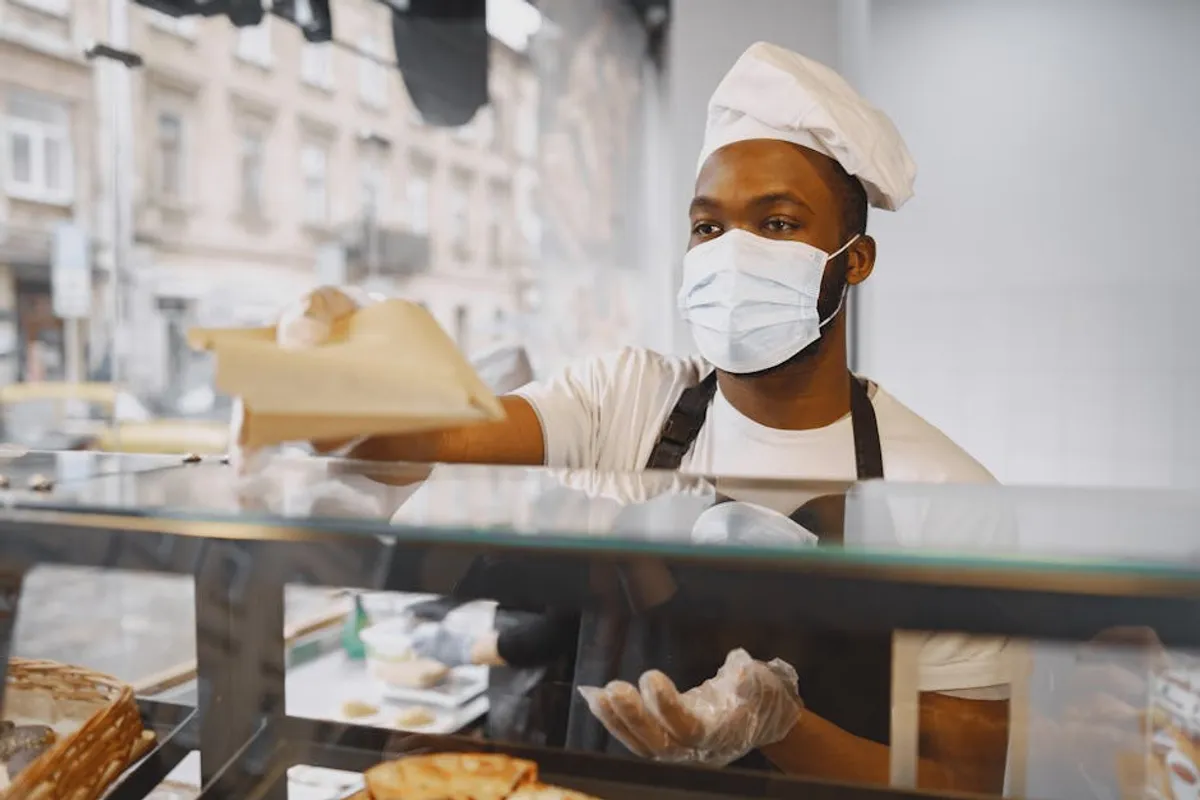
Employees should arrive at work in clean uniforms or clothing. Hair restraints (hats, hairnets) are essential to prevent physical contamination. Jewelry, other than a plain wedding band, should be removed, and fingernails kept short and clean. These practices minimize the risk of foreign objects or pathogens entering food.
PRO TIP: Implement a recurring training schedule for all staff, covering core food safety principles, new regulations, and best practices. Regular refreshers reinforce knowledge and help maintain a consistent standard of hygiene and safety across the entire team.
Implementing Robust Sanitation and Pest Management
A clean environment deters pests and eliminates potential breeding grounds for bacteria.
Cleaning Schedules and Chemical Use
Develop and strictly follow a comprehensive cleaning and sanitation schedule for all kitchen areas, equipment, and dining spaces. This includes daily tasks like wiping down surfaces and washing dishes, as well as weekly or monthly deep cleaning of ovens, hoods, and storage areas. Use only approved cleaning and sanitizing chemicals, following manufacturer instructions for dilution and contact time. Ensure staff are trained in their safe and effective use.
Waste Disposal
Regular and proper waste disposal is crucial. Trash cans should be lined, covered, and emptied frequently, especially those containing food waste. Exterior dumpsters must be kept clean, covered, and away from building entrances to prevent pest attraction.
Integrated Pest Management
Pests like rodents and insects carry pathogens and can contaminate food and surfaces. Implement an integrated pest management (IPM) program that focuses on prevention: sealing cracks and holes, using screens on windows and doors, maintaining cleanliness, and regularly inspecting for signs of pest activity. Partnering with a professional pest control service can provide an additional layer of protection.
Vetting Your Supply Chain
Food safety begins before ingredients even enter your kitchen. The quality and safety of your raw materials depend on your suppliers.
Approved Vendor Lists
Source ingredients only from reputable, licensed, and approved suppliers who adhere to food safety standards. Request documentation of their food safety practices, certifications, and inspection reports. Avoid purchasing from unverified sources, as their handling and storage conditions may be unknown and potentially unsafe.
Delivery Inspections
Inspect every delivery thoroughly. Check for proper temperatures, intact packaging, signs of pest infestation, and overall product quality. Reject any items that do not meet your standards or show signs of compromise. This final check at the point of receipt is a critical control point.
Ongoing Vigilance for Operational Integrity
Maintaining high food safety standards is an ongoing commitment, not a one-time task. Regular self-inspections, continuous staff training, and staying informed about local health regulations are essential. By embedding these basic principles into daily operations, small restaurants can build a reputation for quality and safety, fostering customer loyalty and ensuring long-term success.
Frequently Asked Questions
What is the "danger zone" for food temperatures?
The food danger zone is the temperature range between 40°F (4°C) and 140°F (60°C) where bacteria can grow rapidly, making food unsafe if held within this range for too long.
How often should food handlers wash their hands?
Food handlers should wash their hands frequently and thoroughly: before starting work, after using the restroom, after handling raw meat, after touching their face or hair, after coughing or sneezing, and before beginning any new food preparation task.
Do small restaurants need a HACCP plan?
While a full HACCP (Hazard Analysis and Critical Control Points) plan is often mandatory for larger operations, many small restaurants are encouraged or required by local health departments to implement simplified food safety management systems that incorporate HACCP principles, focusing on critical control points relevant to their menu.