The appeal of Crumbl Cookies extends beyond the product itself; a significant portion of its market success stems from its deliberate, engaging menu presentation. For dessert businesses and marketers aiming to capture and retain customer interest, analyzing Crumbl's menu style offers concrete lessons in building anticipation, leveraging visual appeal, and crafting compelling product narratives. This isn't merely about listing flavors; it's about understanding the strategic elements that transform a dessert menu into a dynamic, conversation-driving asset for dessert lovers.
The Weekly Rotation Model: Cultivating Anticipation and Novelty
Crumbl's most distinctive menu strategy is its weekly rotating selection. This model fundamentally alters consumer behavior by introducing an element of scarcity and novelty. Instead of a static offering, customers are presented with a fresh set of choices every seven days, creating a consistent reason for repeat engagement.
Driving Engagement Through Scarcity
The limited-time availability of specific flavors generates a "fear of missing out" (FOMO) effect. Consumers understand that a favorite cookie might not return for weeks or months, prompting immediate purchase decisions. This urgency translates directly into predictable weekly sales spikes and encourages customers to follow the brand's social media channels and email lists for updates on the upcoming menu.
Impact for marketers: This strategy is not unique to cookies. Any business with a product line that can be diversified can adapt this model. Consider:
- Seasonal ingredient-based specials for cafes.
- Limited-edition flavor releases for beverage companies.
- "Guest chef" collaborations for restaurants.
The key is consistent, predictable rotation that customers can anticipate, fostering a sense of an ongoing event rather than random changes.
Visual Storytelling: The Appeal of High-Quality Imagery
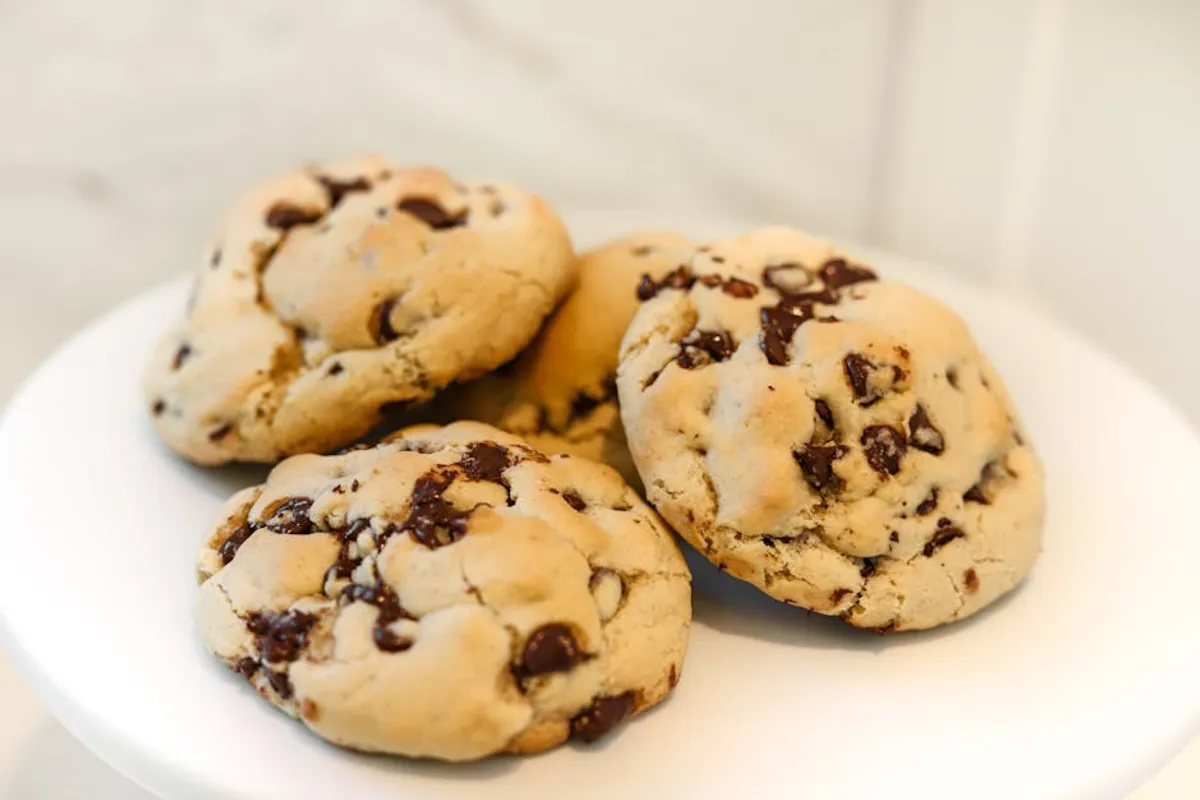
A significant component of Crumbl's menu style is its commitment to high-fidelity visual presentation. Each cookie, regardless of its weekly rotation status, receives professional-grade photography that highlights texture, toppings, and overall aesthetic appeal. This visual consistency is crucial for brand recognition and immediate appetite appeal.
Consistency in Branding and Presentation
The visual language extends beyond individual cookie shots. The brand maintains a cohesive aesthetic across its website, app, and in-store displays. The signature pink box, uniform packaging, and clean presentation reinforce a premium perception. For digital menus, this means high-resolution images that load quickly and are optimized for various devices, ensuring the product looks as appealing online as it does in person.
Recommendation for dessert brands: Invest in professional food photography. Blurry, poorly lit images undermine product quality perception. Ensure consistency in:
- Lighting and background.
- Plating and garnish.
- Color grading and editing style.
This visual discipline builds trust and makes the digital menu as enticing as a physical display case.
Flavor Profiles and Descriptions: Crafting Desire
Beyond visuals, the written descriptions accompanying each Crumbl cookie are designed to evoke specific sensory experiences. They go beyond simple ingredient lists, often incorporating narrative elements or highlighting unique textural contrasts.
Evocative Language and Sensory Detail
Descriptions typically use words that paint a vivid picture of taste and texture. For example, a cookie might be described as "warm," "gooey," "chewy," or "crisp," paired with details about specific inclusions like "creamy frosting" or "tangy fruit filling." This approach helps customers visualize and anticipate the eating experience, making the selection process more engaging.
Pro Tip: When crafting menu descriptions, focus on the sensory experience rather than just ingredients. Use active verbs and descriptive adjectives that appeal to taste, smell, and texture. A cookie isn't just "chocolate chip"; it's "a warm, gooey classic with melted semi-sweet chips and a sprinkle of sea salt." This detail transforms a simple item into a desirable experience.
Application for menu design: Consider developing a "flavor thesaurus" for your brand. Identify core flavors and textures, then brainstorm a consistent set of descriptive terms. This ensures all team members use similar language, reinforcing brand voice and making descriptions consistently appealing.
Seasonal and Thematic Integration
Crumbl effectively integrates seasonal and holiday themes into its weekly rotations, aligning its offerings with cultural calendars. This strategy taps into existing consumer excitement around holidays and special occasions, providing a natural hook for new flavors.
Leveraging Holidays and Special Occasions
Cookies designed for Halloween, Valentine's Day, or specific seasons (e.g., pumpkin spice in autumn, peppermint in winter) resonate deeply with customers already in a celebratory or festive mood. This thematic alignment makes the menu feel relevant and timely, increasing the likelihood of impulse purchases and social sharing.
Strategic insight: Plan menu rotations months in advance to capitalize on upcoming holidays and seasonal trends. This allows for:
- Sufficient time for recipe development and testing.
- Coordinated marketing campaigns that build anticipation.
- Procurement of unique, seasonal ingredients.
This proactive approach ensures that seasonal offerings feel authentic and well-executed, rather than last-minute additions.
User Experience: Online and In-Store Consistency
The digital menu experience, whether via the Crumbl app or website, mirrors the in-store presentation in its clarity and ease of navigation. This consistency is vital for a brand that relies heavily on online ordering and pickup.
Seamless Digital-to-Physical Transition
The online menu is intuitive, featuring clear images, concise descriptions, and straightforward ordering options. This reduces friction in the purchase journey. When customers arrive for pickup, the physical store environment, with its open kitchen and organized display, reinforces the brand's commitment to quality and transparency. The entire process, from browsing to consumption, feels cohesive.
Key takeaway for digital menus: Prioritize user experience (UX) design. Ensure your online menu is:
- Mobile-responsive and fast-loading.
- Easy to navigate, with clear categories and filters.
- Visually appealing, with high-quality images that match physical products.
- Integrated with a smooth ordering and payment process.
A disjointed online experience can deter customers, regardless of product quality.
Implementing Dynamic Menu Strategies
Crumbl Cookies demonstrates that a menu is not merely a list of products but a powerful marketing tool. By adopting principles like strategic rotation, high-quality visual storytelling, evocative language, and seamless user experience, dessert businesses can significantly enhance customer engagement and drive sales. The goal is to make the menu an experience in itself, one that builds anticipation and fosters a loyal community of dessert lovers.
Frequently Asked Questions
How often should a rotating menu change?
The optimal frequency depends on your product and audience, but a weekly or bi-weekly rotation, like Crumbl's, is effective for creating consistent novelty without overwhelming customers. Too frequent changes can cause confusion, while infrequent changes reduce anticipation.
What is the most important element for a dessert menu's visual appeal?
High-quality, consistent photography is paramount. Clear, well-lit images that accurately represent the product and maintain a cohesive brand aesthetic are critical for attracting attention and conveying quality online and in print.
How can small businesses implement a rotating menu without complex logistics?
Start small. Focus on one or two rotating "specials" per week or month instead of a full menu overhaul. Utilize seasonal ingredients to simplify sourcing, and communicate changes clearly through social media and in-store signage to manage customer expectations.
Is descriptive language more important than price on a menu?
While price is a factor, compelling descriptive language can significantly increase perceived value and justify pricing. Evocative descriptions create a desire that can make customers more willing to pay for a unique or desirable experience, rather than just a commodity.