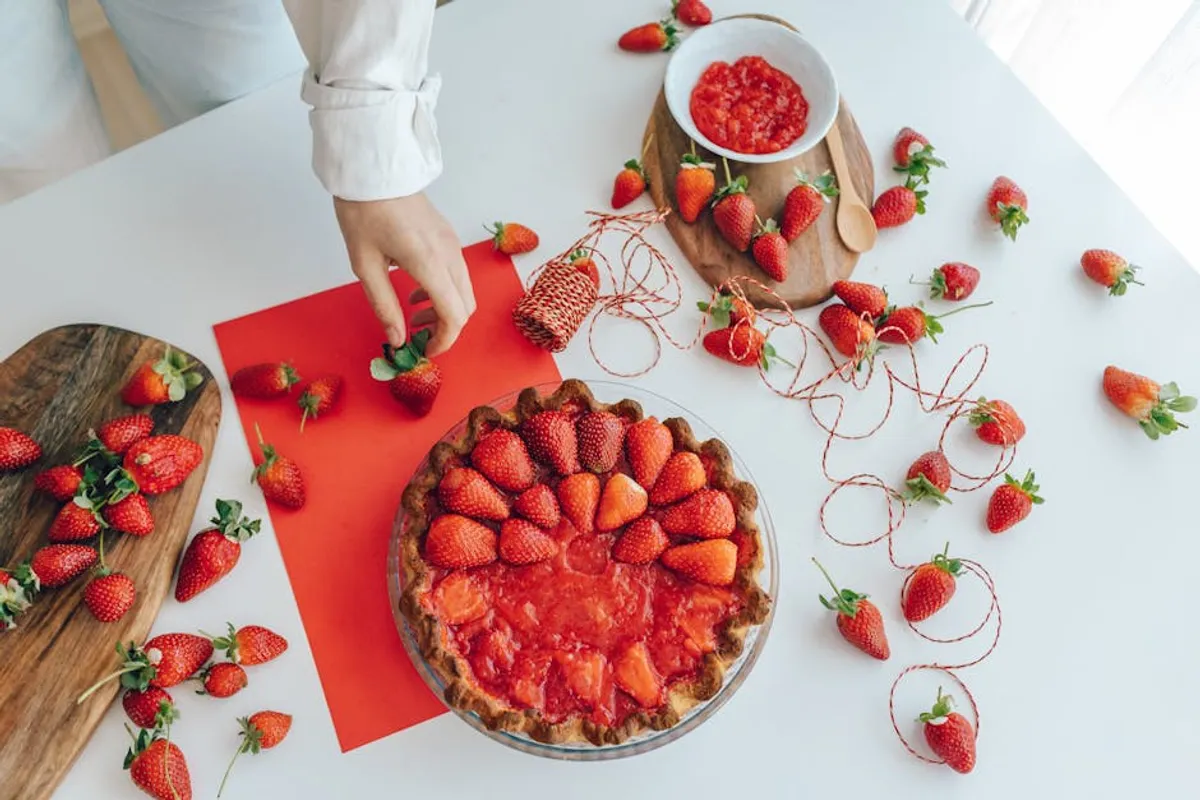
Selecting the ideal pie flavor can elevate any meal or occasion, transforming a simple dessert into a memorable experience. The choice is often guided by the season, as fresh, peak-season ingredients inherently offer superior taste and texture. Understanding which flavors align with specific times of the year allows for a more authentic and satisfying culinary journey, whether planning a family gathering, a holiday feast, or a casual weeknight treat. This guide explores a range of pie flavors, detailing their characteristics, optimal uses, and considerations for preparation, ensuring a suitable option for every seasonal preference.
Factors in Seasonal Pie Selection
When choosing a pie flavor, seasonality is paramount. Ingredients like fresh berries, stone fruits, and specific squash varieties reach their peak flavor and availability during certain months, directly impacting the pie's quality. Beyond fresh produce, consider the overall flavor profile and its suitability for the prevailing weather. Lighter, more acidic fruit pies often refresh in warmer months, while rich, spiced, or creamy pies provide comfort during cooler seasons. Texture also plays a role; a delicate, flaky crust might be preferred for a summer fruit pie, contrasting with a more robust, crumbly topping for an autumn creation. Finally, tradition and occasion often dictate choices, with certain pies inextricably linked to holidays or cultural celebrations.
Spring Pie Flavors
1. Strawberry Rhubarb Pie
This pie captures the essence of early spring with its vibrant combination of sweet, ripe strawberries and the distinctive tartness of rhubarb. The interplay of these two fruits creates a balanced flavor profile that is both refreshing and comforting, often encased in a flaky, golden crust. The visual appeal, with its red and green hues, signals the arrival of warmer weather and fresh produce.
Best for: Spring gatherings, Easter desserts, or a bright, celebratory finish to a meal.
Pros: Distinctive sweet-tart flavor; visually appealing and colorful; celebrates seasonal produce; versatile with various crust types.
Cons: Rhubarb availability can be limited outside of spring; some may find the tartness too pronounced without careful sugar balance; prone to a watery filling if not prepared correctly.
Verdict: A quintessential spring pie, offering a sophisticated and refreshing flavor that perfectly balances sweetness with a pleasant tang. Its seasonal appeal is a primary draw for those seeking fresh, vibrant tastes.
2. Lemon Meringue Pie
Lemon meringue pie delivers a bright, zesty experience with its sharp, tangy lemon custard filling, often contrasted by a cloud of sweet, airy meringue and a crisp pastry shell. Its refreshing acidity makes it particularly appealing as a palate cleanser after richer meals, embodying a light and cheerful spring dessert.
Best for: Spring holidays, outdoor picnics, or any occasion requiring a dessert with a lively, citrus punch.
Pros: Bright, refreshing, and tangy flavor profile; visually impressive with its towering meringue; custard provides a smooth texture contrast; widely popular.
Cons: Meringue can be temperamental to prepare and prone to weeping; requires precise baking to prevent a soggy crust; intense lemon flavor may not appeal to all palates.
Verdict: An iconic dessert that brightens any table with its vibrant flavor and elegant presentation. Its sharp citrus notes are particularly welcome as the weather warms.
3. Key Lime Pie
Originating from the Florida Keys, this pie features a distinctively tart and aromatic lime custard, typically set in a graham cracker crust and often topped with whipped cream. Its unique flavor comes from Key limes, which are smaller, more aromatic, and more acidic than common Persian limes, providing a sharp yet refreshing taste ideal for spring and summer.
Best for: Spring celebrations, tropical-themed events, or a light dessert after a seafood meal.
Pros: Incredibly refreshing and tangy; simple no-bake filling preparation; graham cracker crust offers a pleasant texture contrast; distinct aromatic lime flavor.
Cons: Authentic Key limes can be harder to source; intense tartness may require a sweet topping for balance; can be perceived as too simple by some for formal occasions.
Verdict: A powerfully refreshing pie that delivers a punchy citrus experience. Its simplicity and bright flavor make it an excellent choice for a vibrant spring dessert.
Summer Pie Flavors
4. Peach Pie
Peach pie celebrates the peak of summer with its succulent, sweet, and slightly tangy fruit filling. Made with ripe, juicy peaches, often lightly spiced with cinnamon or nutmeg, this pie embodies warmth and comfort. The natural sweetness of the peaches shines through, creating a universally appealing dessert.
Best for: Summer barbecues, Fourth of July celebrations, or a classic dessert showcasing seasonal fruit.
Pros: Showcases fresh, sweet summer peaches; universally beloved flavor; pairs well with vanilla ice cream; relatively simple preparation with fresh fruit.
Cons: Quality is highly dependent on peach ripeness and sweetness; can become overly watery if peaches are not properly prepared or thickened; peaches can be messy to prepare.
Verdict: A timeless summer classic that highlights the natural beauty and sweetness of ripe peaches. Its comforting flavor makes it a perennial favorite.
5. Blueberry Pie
Blueberry pie is a quintessential summer dessert, filled with plump, bursting blueberries that release their sweet, slightly tart juices when baked. Often enhanced with a hint of lemon zest or cinnamon, the deep purple filling contrasts beautifully with a golden, flaky crust, offering a balance of sweetness and fruity acidity.
Best for: Summer picnics, family gatherings, or a simple yet elegant dessert during berry season.
Pros: Rich, sweet, and slightly tart fruit flavor; visually appealing deep color; blueberries are widely available; versatile with various crust styles.
Cons: Can be prone to a runny filling if not properly thickened; fresh blueberries can be expensive out of season; some may find the flavor too straightforward compared to more complex pies.
Verdict: A beloved summer staple, blueberry pie offers a comforting and familiar flavor that perfectly captures the essence of berry season. Its simplicity is its strength.
6. Cherry Pie
Cherry pie, particularly when made with tart cherries, offers a vibrant balance of sweet and sour notes that awaken the palate. The deep red, glossy filling, often peeking through a lattice crust, provides both visual appeal and a rich, fruity flavor that is distinctly summery. It’s a bold choice that stands out.
Best for: Summer holidays, special occasions, or as a vibrant dessert that uses fresh, seasonal cherries.
Pros: Distinctive sweet-tart flavor; striking deep red color; classic and widely appreciated; versatile with different crust designs.
Cons: Pitting fresh cherries is labor-intensive; tart cherries may require significant sugar to balance acidity; can be prone to a watery filling.
Verdict: A dynamic summer pie that delivers a powerful fruit flavor. Its balance of sweetness and tartness makes it a memorable and satisfying choice.
Autumn Pie Flavors
7. Apple Pie
Apple pie is arguably the most iconic American dessert, especially prominent in autumn. It features tender, spiced apple slices, typically a mix of sweet and tart varieties, encased in a buttery, flaky crust. The aroma of cinnamon, nutmeg, and baked apples signals comfort and tradition, making it a staple for fall gatherings.
Best for: Thanksgiving, fall harvest festivals, or a comforting dessert on a cool autumn evening.
Pros: Universally beloved and familiar; versatile with different apple varieties and spices; pairs exceptionally well with vanilla ice cream or cheddar cheese; uses readily available ingredients.
Cons: Can be perceived as common; requires careful selection of apple types for optimal texture; some may find it too traditional.
Verdict: A timeless classic, apple pie offers unparalleled comfort and familiarity. Its versatility and widespread appeal make it an essential autumn dessert.
8. Pumpkin Pie
Pumpkin pie is synonymous with autumn and the Thanksgiving holiday. Its creamy, spiced custard filling, made from pumpkin puree and a blend of cinnamon, ginger, nutmeg, and cloves, sits in a crisp pastry shell. The rich, earthy flavor and smooth texture create a comforting and aromatic dessert that defines the season.
Best for: Thanksgiving dinner, fall potlucks, or any occasion celebrating autumnal flavors.
Pros: Iconic fall and holiday dessert; rich, smooth, and creamy texture; deeply aromatic with classic autumn spices; relatively simple to prepare from canned pumpkin.
Cons: Flavor profile can be polarizing; can be perceived as dry if overbaked; quality depends heavily on the spice blend and custard consistency.
Verdict: An indispensable autumn pie, pumpkin pie delivers a unique blend of earthy and sweet spices that perfectly encapsulates the spirit of the season.
9. Pecan Pie
Pecan pie is a rich, sweet, and indulgent dessert, characterized by a gooey, caramel-like filling packed with crunchy pecans, all nestled within a flaky crust. Its deep sweetness and nutty texture make it a hearty and satisfying choice, particularly popular during the cooler months of autumn and winter.
Best for: Thanksgiving, holiday parties, or a decadent treat for those who appreciate rich, sweet desserts.
Pros: Rich, sweet, and deeply satisfying flavor; unique gooey texture with crunchy pecans; widely popular as a holiday dessert; relatively easy to assemble.
Cons: Can be overly sweet for some palates; high in sugar and calories; pecans can be expensive; prone to a runny filling if not baked sufficiently.
Verdict: A decadent and satisfying pie, pecan pie offers a robust sweetness and textural complexity that makes it a standout choice for autumn celebrations.
Winter Pie Flavors
10. Mince Pie
Mince pie is a traditional British holiday pastry, typically small and filled with "mincemeat," a rich, spiced mixture of dried fruits, nuts, and often suet, sometimes with a hint of brandy or rum. Despite the name, modern mincemeat is usually vegetarian. Its complex, aromatic flavor evokes warmth and festivity, making it a Christmas staple.
Best for: Christmas and New Year's celebrations, traditional holiday gatherings, or as a festive treat with tea.
Pros: Deeply traditional and festive flavor; rich, complex spice profile; keeps well due to dried fruit content; small size is convenient for serving.
Cons: Flavor can be polarizing due to its unique spice blend and fruit intensity; mincemeat requires advanced preparation or purchase; not universally familiar outside of British traditions.
Verdict: A highly traditional and aromatic pie that provides a unique, complex flavor profile perfect for festive winter occasions, appealing to those who appreciate classic holiday tastes.
11. Cranberry Pie
Cranberry pie offers a bright, tart, and festive flavor that perfectly complements the richness of winter meals. The vibrant red cranberries, often balanced with apples or oranges, create a tangy and refreshing filling that cuts through heavier holiday fare. Its seasonal appeal is strong, especially around the winter holidays.
Best for: Christmas dinner, winter gatherings, or as a lighter, tart alternative to sweeter holiday desserts.
Pros: Bright, tart, and refreshing flavor; striking red color adds festive appeal; balances rich holiday meals; cranberries are seasonal and readily available in winter.
Cons: Intense tartness may require significant sugar or other fruits for balance; can be unfamiliar to those accustomed to more traditional pies; prone to a watery filling.
Verdict: A vibrant and tangy pie that offers a refreshing contrast to typical winter desserts. Its festive color and sharp flavor make it an excellent choice for holiday tables.
12. Chocolate Cream Pie
Chocolate cream pie is a decadent and comforting dessert, featuring a rich, smooth chocolate custard filling, often topped with a generous layer of whipped cream, all set in a crisp, sweet crust. Its deep, indulgent flavor and luxurious texture make it a perfect treat for colder winter evenings, offering pure indulgence.
Best for: Winter celebrations, cozy evenings by the fire, or as a rich dessert for chocolate lovers.
Pros: Rich, indulgent chocolate flavor; smooth, creamy texture; universally appealing to chocolate enthusiasts; can be made with various chocolate intensities.
Cons: Can be very rich and heavy; requires careful chilling to set properly; quality depends on the quality of chocolate used; not suitable for those avoiding dairy.
Verdict: An ultimate comfort pie, chocolate cream pie offers deep, satisfying indulgence. Its luxurious texture and rich flavor make it a perfect treat for cooler weather.
Matching Pie Flavors to Occasions
Choosing the right pie flavor extends beyond seasonal availability; it also involves considering the event and audience. For formal dinners, a visually impressive pie like Lemon Meringue or a classic Apple Pie with a decorative crust can be appropriate. Casual gatherings might benefit from more straightforward, crowd-pleasing options such as Peach or Blueberry. Holiday meals often call for traditional choices like Pumpkin or Pecan, while a unique Mince Pie can introduce a festive, international flair. The key is to balance the pie's characteristics with the overall dining experience, ensuring the flavor complements other dishes and suits the guests' preferences. Consider also the serving temperature; some pies, like fruit pies, are excellent warm, while cream pies require chilling.
Frequently Asked Questions
Q: Can I use frozen fruit for pies?
A: Yes, frozen fruit can be used, especially when fresh is out of season. However, it often releases more liquid during baking, so you may need to adjust thickeners like flour or cornstarch in the filling to prevent a watery pie.
Q: What is the best way to prevent a soggy pie crust?
A: To prevent a soggy crust, blind bake or pre-bake the bottom crust before adding the filling. Ensure the filling is properly thickened, and consider brushing the bottom crust with an egg white wash before filling to create a barrier.
Q: How far in advance can I make a pie?
A: Most fruit pies can be made 1-2 days in advance and stored at room temperature. Cream or custard pies, due to their dairy content, should be refrigerated and are best consumed within 1-2 days of preparation for optimal freshness and safety.
Q: What are common pie thickeners?
A: Common pie thickeners include all-purpose flour, cornstarch, tapioca starch (instant or pearl), and arrowroot powder. Each has slightly different properties regarding clarity and texture, so choose based on the fruit and desired consistency.