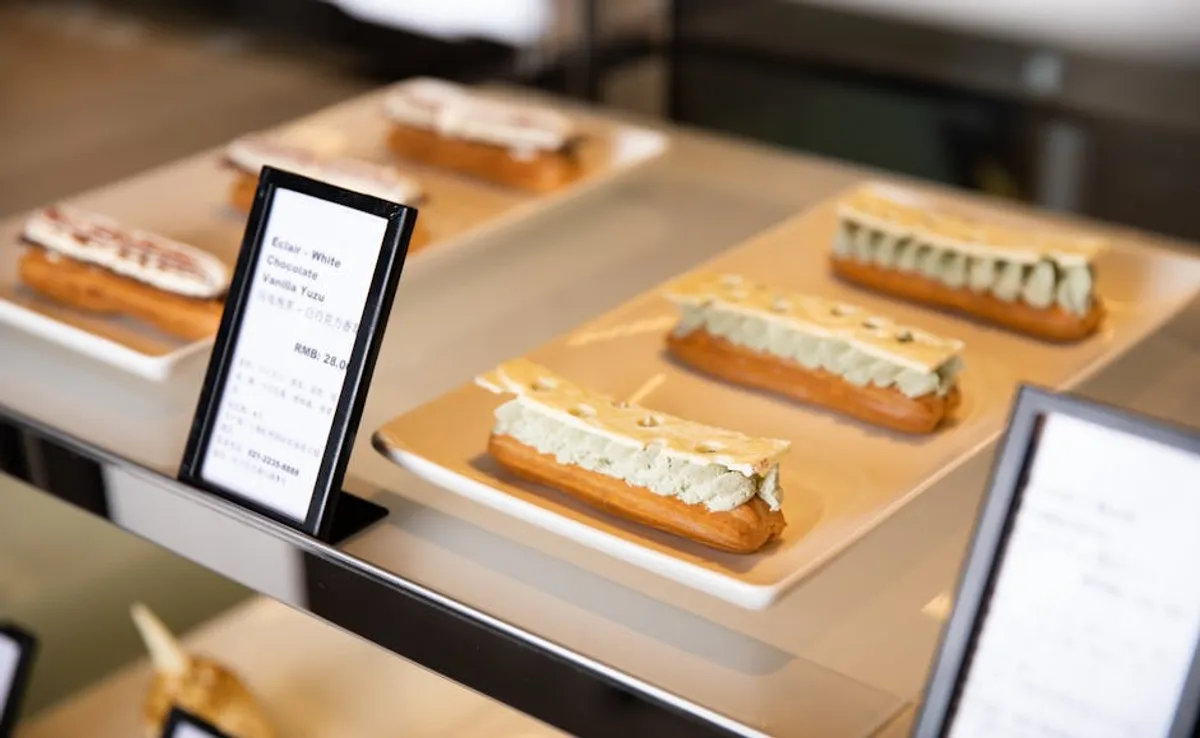
Developing a dessert menu for a cafe or bakery involves more than simply offering sweet treats. It requires strategic selection to align with your brand identity, operational capabilities, and target customer preferences. The right dessert menu can significantly boost average transaction value, encourage repeat visits, and create distinct market differentiation. This guide outlines commercially viable dessert ideas, focusing on practical implementation, profit potential, and customer appeal, enabling owners and managers to make informed decisions that directly impact their bottom line.
Key Considerations for Dessert Menus
Before finalizing any dessert offerings, evaluate several critical factors to ensure long-term viability and profitability. First, assess your kitchen's capacity and staff skill sets. Complex pastries require skilled bakers and dedicated prep time, impacting labor costs and consistency. Second, consider ingredient sourcing and seasonality. Utilizing local, seasonal produce can reduce costs, enhance freshness, and support a unique selling proposition. Third, analyze your target demographic. Are they seeking indulgent comfort foods, health-conscious options, or visually striking, Instagrammable desserts? Finally, evaluate pricing strategy. Desserts should be priced to cover ingredient costs, labor, overhead, and contribute to profit margins, while remaining competitive within your local market. Understanding these foundational elements ensures that menu additions are sustainable and contribute positively to your business.
1. Elevated Classic Cakes & Slices
This category focuses on familiar, comforting desserts executed with premium ingredients and refined techniques. Think New York-style cheesecakes with house-made fruit compotes, multi-layered carrot cakes with cream cheese frosting, or rich chocolate fudge cakes. The appeal lies in nostalgia and reliability, but the "elevated" aspect comes from superior ingredient quality (e.g., Madagascar vanilla, Valrhona chocolate, organic produce) and meticulous presentation. These items often have strong brand recognition, making them easy sells.
Best for: Cafes and bakeries aiming for broad appeal, comfort food enthusiasts, and those looking for reliable, high-volume sellers. Also suitable for establishments with established baking capabilities.
Pros: High customer recognition and demand; potential for higher price points due to quality perception; relatively stable ingredient costs for core items; strong take-home potential for whole cakes.
Cons: Requires consistent execution to maintain quality; can be labor-intensive for complex layering or intricate decoration; risk of perceived commonness if not genuinely elevated above supermarket offerings.
Verdict: A foundational menu component. Invest in exceptional recipes and presentation to justify premium pricing and differentiate from competitors. These are often the first items customers look for.
2. Artisan Pastries & Viennoiseries
This category includes items like croissants, pain au chocolat, kouign-amann, cruffins, and Danish pastries. These are characterized by laminated doughs, intricate folding, and often delicate fillings or glazes. Their visual appeal and perceived craftsmanship command higher prices. Offering a rotating selection can keep the menu fresh and attract patrons seeking specialty baked goods. Success hinges on highly skilled bakers and precise temperature control.
Best for: Bakeries with dedicated pastry chefs, specialty coffee shops, and establishments aiming for a European-inspired or gourmet image. Ideal for breakfast and brunch service.
Pros: High profit margins per unit due to labor and skill; strong visual appeal drives impulse purchases and social media engagement; creates a perception of high-end craftsmanship.
Cons: Extremely labor-intensive and requires specialized skills; high ingredient cost for quality butter and flour; production waste can be significant if not managed efficiently; limited shelf life.
Verdict: A powerful differentiator for businesses with the expertise and infrastructure. These items can build a reputation for quality and attract a dedicated clientele willing to pay for artisanal excellence.
3. Seasonal Fruit-Based Desserts
Leveraging fresh, seasonal fruits allows for dynamic menu changes and appeals to customers seeking lighter, fresher options. Examples include berry tarts, apple crumbles, peach cobblers, plum galettes, or citrus tortes. The emphasis is on highlighting the natural sweetness and tartness of the fruit, often with a simple, well-executed crust or topping. This approach supports local producers and communicates freshness.
Best for: Cafes and bakeries prioritizing fresh ingredients, local sourcing, and a constantly evolving menu. Appeals to health-conscious consumers and those seeking lighter dessert options. This approach caters well to customers seeking indulgent comfort foods, a popular category for many cafes.
Pros: Appeals to a broad audience, including those preferring less heavy desserts; allows for menu rotation and seasonal marketing; can command premium pricing with local/organic fruit claims; supports local agriculture.
Cons: Ingredient costs fluctuate with seasonality and availability; requires constant recipe adjustment based on fruit ripeness and flavor; shorter shelf life for some fruit components.
Verdict: Essential for maintaining a fresh, relevant menu. Seasonal fruit desserts demonstrate a commitment to quality ingredients and offer a natural way to introduce variety without overhauling core operations.
4. Individual Portioned Desserts
These are single-serving desserts designed for immediate consumption or grab-and-go convenience. Think panna cotta cups, mousse parfaits, mini cheesecakes, éclairs, or individual trifles. The small format encourages impulse purchases and allows customers to sample multiple items. Presentation in clear cups or elegant small plates is key to their appeal. They also offer precise portion control, which can aid in inventory management.
Best for: High-traffic cafes, quick-service bakeries, and establishments where customers might want a small treat without committing to a large slice. Ideal for catering and events.
Pros: High impulse purchase potential; allows for diverse offerings in a small footprint; precise portion control for cost management; versatile for dine-in, takeaway, and catering.
Cons: Can be labor-intensive to produce many small items; packaging costs can add up for takeaway; requires consistent quality across many units.
Verdict: A strategic choice for increasing average order value and catering to varied customer needs. Focus on attractive packaging and a diverse selection of flavors to maximize impact.
5. Gourmet Cookies & Bars
Beyond standard chocolate chip, this category includes elevated versions like brown butter pecan cookies, miso caramel snickerdoodles, lavender shortbread, or triple chocolate fudge brownies with sea salt. Bars like lemon squares, oat and fruit crumble bars, or millionaire's shortbread offer similar appeal. These are typically lower-cost to produce per unit than cakes or pastries, have a longer shelf life, and are excellent add-on sales at the register.
Best for: All cafes and bakeries, especially those looking for high-volume, low-cost additions with good profit margins. Excellent for impulse buys and catering platters.
Pros: High profit margin; long shelf life compared to other desserts; easy to produce in large batches; excellent for grab-and-go and catering; wide appeal across demographics.
Cons: Can be perceived as less "special" if not genuinely gourmet; requires creative flavor combinations to stand out in a saturated market; competition from pre-packaged options.
Verdict: A reliable workhorse for any dessert menu. Focus on unique flavor profiles, high-quality ingredients, and attractive display to elevate these staples beyond the ordinary.
6. Specialty Dietary-Friendly Options
Catering to dietary restrictions (vegan, gluten-free, dairy-free, sugar-free, keto) is no longer a niche but a significant market opportunity. Offering specific, delicious options like vegan chocolate avocado mousse, gluten-free almond flour cakes, or keto-friendly cheesecakes can attract a loyal customer base. The key is to ensure these options are genuinely appealing and not just an afterthought, matching the quality of conventional desserts.
Best for: Businesses looking to expand their customer base, appeal to health-conscious individuals, and demonstrate inclusivity. Essential in urban areas with diverse dietary preferences.
Pros: Taps into a growing market segment; builds customer loyalty from those with specific needs; allows for premium pricing due to specialized ingredients and effort; positive brand perception.
Cons: Specialized ingredients can be more expensive; requires strict cross-contamination protocols for allergies; recipes can be challenging to perfect for texture and flavor; smaller production batches.
Verdict: A critical investment for modern cafes and bakeries. Offer at least one genuinely delicious option for common restrictions to capture this significant and often underserved market segment.
7. Frozen Treats & Cold Desserts
Beyond traditional ice cream, this category includes artisanal gelato, sorbets, ice cream sandwiches, or even granitas and semifreddos. These are particularly popular in warmer climates or during summer months. Offering unique, house-made flavors can create a strong draw. Consider incorporating local ingredients or signature coffee flavors into your frozen selections.
Best for: Cafes and bakeries in warmer regions, establishments with outdoor seating, or those looking to expand into a seasonal market. Also good for late-night dessert options. Expanding into a seasonal market can also be achieved by aligning offerings with the time of year.
Pros: High demand during warm periods; offers a refreshing alternative to baked goods; unique flavor combinations can be a strong differentiator; good for impulse buys.
Cons: Requires specialized equipment (batch freezers, display cases); energy costs can be higher; inventory management for perishable frozen goods; limited appeal in colder months.
Verdict: A valuable seasonal or year-round addition, especially if you can produce unique, high-quality items in-house. Focus on distinctive flavors and presentation to stand out.
8. Breakfast & Brunch Sweets
These are desserts or sweet baked goods specifically positioned for morning or early afternoon consumption. Examples include gourmet muffins (e.g., blueberry streusel, pistachio-cardamom), scones (sweet or savory-sweet), cinnamon rolls, or sweet breads (e.g., banana bread, pumpkin bread). They pair well with coffee and tea, extending the dessert consumption window beyond traditional post-meal times.
Best for: Cafes and bakeries with strong morning and brunch service, targeting commuters, students, or weekend diners. These are often grab-and-go friendly.
Pros: Expands sales opportunities beyond lunch/dinner; high demand during peak morning hours; good profit margins on ingredients like flour, sugar, and eggs; complements coffee sales.
Cons: Requires early morning production; competition from other breakfast establishments; can be perceived as less "dessert-like" if not presented attractively.
Verdict: A strategic category for maximizing morning revenue. Focus on freshness, generous portioning, and classic flavors with a premium twist to capture the breakfast crowd.
9. International & Fusion Confections
Introducing desserts from around the world or creating fusion combinations can offer a unique selling proposition. Examples include French macarons, Japanese mochi, Spanish churros with dipping sauces, or Middle Eastern baklava. The appeal lies in novelty and exotic flavors. Authenticity and quality are paramount to success in this category, often requiring specialized techniques or ingredients.
Best for: Businesses in diverse urban areas, those targeting adventurous eaters, or establishments seeking a distinct cultural identity. Can be a strong draw for food tourism.
Pros: Strong differentiation from competitors; attracts a niche but often loyal customer base; high visual appeal for social media; can command premium pricing for exotic ingredients/techniques.
Cons: Requires specialized knowledge and ingredients; potential for higher ingredient costs; may not appeal to all customers; risk of misrepresenting cultural dishes if not executed authentically.
Verdict: A high-reward, high-risk option. If executed well with authenticity and quality, these can be signature items that draw significant attention and build a unique brand identity.
10. Customizable & Take-Home Kits
Engage customers beyond immediate consumption by offering desserts that can be customized or taken home for assembly. This could include DIY cookie decorating kits, deconstructed trifle kits, or small celebration cakes available for pre-order with personalized messages. This taps into the desire for interactive experiences and convenient entertaining, especially around holidays or special occasions.
Best for: Cafes and bakeries looking to increase average order value, build customer engagement, and expand into catering or gift markets. Ideal for holiday promotions.
Pros: Increases customer engagement and loyalty; higher average transaction value; extends brand reach into customer homes; reduces in-store labor for final assembly; strong gifting potential.
Cons: Requires clear instructions and quality packaging; potential for customer dissatisfaction if assembly is too complex; inventory management for components rather than finished goods.
Verdict: An innovative approach to dessert sales that leverages customer creativity and convenience. Focus on user-friendly kits and attractive branding to maximize appeal.
11. Savory-Sweet Counterpoints
Introduce desserts that playfully integrate savory elements, creating unexpected flavor profiles. Examples include rosemary shortbread, bacon-maple scones, olive oil cakes with sea salt, or chocolate desserts with chili or black pepper. These items cater to adventurous palates and can act as conversation starters, setting your establishment apart from traditional offerings. The balance between sweet and savory is crucial for success.
Best for: Trendy cafes, gourmet bakeries, and establishments aiming for a sophisticated, innovative culinary identity. Appeals to foodies and those seeking unique experiences.
Pros: Strong differentiation and novelty factor; generates buzz and social media interest; appeals to customers seeking complex flavor profiles; can elevate the perception of culinary skill.
Cons: May have limited appeal to traditional dessert eaters; requires careful balancing of flavors to avoid being off-putting; ingredient sourcing for unique savory components.
Verdict: A niche but impactful choice. If executed with precision and creativity, these items can become signature offerings that define your brand as innovative and culinary forward.
12. Coffee & Tea Pairings (Dessert-Focused)
Instead of just offering coffee with dessert, consider desserts specifically designed to complement or enhance coffee and tea. This might include small biscotti designed for dipping, miniature madeleines, or delicate financiers. The focus is on creating a complete beverage and dessert experience, encouraging upsells and enhancing the overall customer visit. These are typically smaller, less rich items.
Best for: Cafes and coffee shops where beverages are primary, looking to increase add-on sales and enhance the customer's overall experience. Ideal for afternoon tea concepts.
Pros: Encourages add-on sales and increases average check size; enhances the coffee/tea experience, building loyalty; typically lower cost to produce per unit; versatile for grab-and-go.
Cons: Items must be small and complement, not overpower, the beverage; requires careful consideration of flavor profiles; potential for high labor if made in-house.
Verdict: A smart strategy for beverage-centric establishments. Focus on elegant, bite-sized items that elevate the drink experience without competing for attention.
Evaluating Dessert Menu Performance
Once a dessert menu is implemented, continuous evaluation is crucial for optimizing profitability and customer satisfaction. Track sales data for each item, noting which desserts are top sellers and which are consistently underperforming. Calculate the food cost percentage for each dessert to ensure healthy profit margins. Gather customer feedback through direct conversations, comment cards, and online reviews to understand preferences and identify areas for improvement. Monitor ingredient waste and spoilage rates, adjusting production quantities accordingly. Periodically review market trends and competitor offerings to ensure your menu remains fresh and competitive. A dynamic approach to menu management, informed by data and customer insights, will ensure your dessert offerings consistently contribute to your business's success.
Frequently Asked Questions
How often should a dessert menu be updated?
For seasonal items, quarterly updates are ideal to align with fresh produce availability. For core items, annual or bi-annual reviews are sufficient to assess performance and introduce minor refinements or new variations.
What is a good profit margin for desserts?
Aim for a food cost percentage between 20-30% for desserts, translating to a profit margin of 70-80%. This allows for labor, overhead, and a healthy profit. High-skill items might justify slightly higher food costs if they command significantly higher prices.
How can I reduce waste for perishable desserts?
Implement strict inventory management, forecast demand accurately based on historical sales data, and consider producing items in smaller, more frequent batches. Repurposing unsold components (e.g., cake scraps for cake pops) can also minimize waste.
Should I offer samples of new desserts?
Yes, offering small samples of new or seasonal desserts can significantly boost sales and gather immediate feedback. Position samples near the point of sale to encourage impulse purchases.
How do I price my desserts competitively?
Research local competitors' pricing for similar items, but also consider your unique value proposition (e.g., organic ingredients, artisanal craftsmanship). Price your desserts to reflect their quality, labor, and your desired profit margin, ensuring perceived value aligns with the cost.