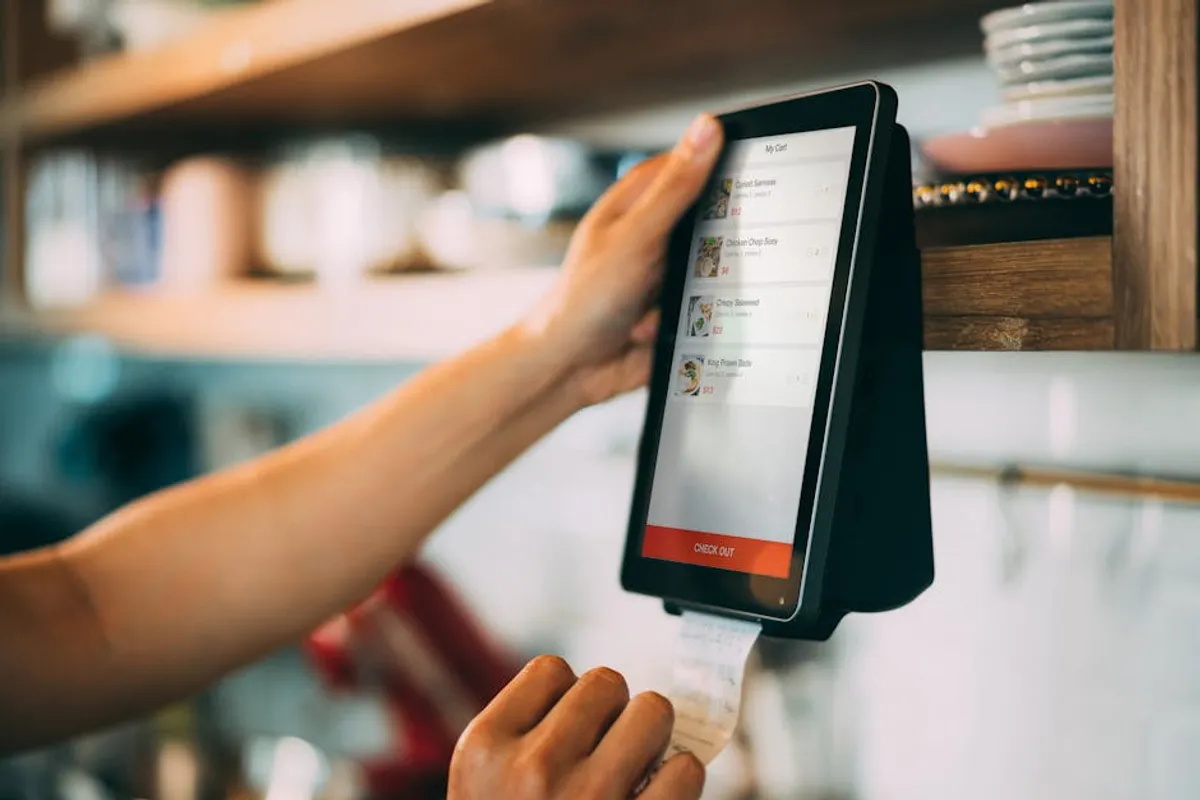
Developing a compelling menu for a small coffee shop presents a specific set of challenges and opportunities. Unlike larger establishments, smaller cafes often operate with limited kitchen space, fewer staff, and a tighter budget for inventory. The goal is to craft a menu that maximizes profitability per square foot, appeals to a defined customer base, and can be executed efficiently without compromising quality or increasing operational complexity. This isn't just about offering popular items; it's about strategic selection that aligns with your brand identity, leverages your unique strengths, and drives consistent revenue in a competitive market. The right menu choices can elevate average transaction values, encourage repeat visits, and establish your shop as a destination.
Key Considerations for Crafting Your Cafe Menu
Before committing to specific menu items, evaluate several foundational aspects of your coffee shop's operation and market position. These factors directly influence the viability and profitability of any menu idea.
Target Demographic: Understand who your primary customers are. Are they students seeking affordable, quick bites, professionals needing grab-and-go options, or locals looking for a leisurely brunch experience? Their preferences dictate price points, portion sizes, and ingredient types.
Kitchen Infrastructure and Equipment: Assess your existing equipment. A small convection oven allows for pastries and simple baked items, while a full range opens possibilities for more complex dishes. Limited refrigeration space impacts fresh ingredient storage and prep. Avoid menu items that require specialized equipment you don't possess or can't justify investing in.
Staff Skill and Training: Complex dishes demand skilled cooks. If your team is primarily baristas, focus on menu items that require minimal culinary training or extensive prep work. Streamlined processes reduce errors and speed up service, especially during peak hours.
Ingredient Sourcing and Seasonality: Prioritize local and seasonal ingredients where possible. This can reduce costs, enhance freshness, and support local producers, which resonates with many customers. Consider shelf life and storage requirements for all ingredients to minimize waste.
Profit Margins: Every item on your menu should contribute positively to your bottom line. Calculate the cost of goods sold (COGS) for each item and ensure a healthy profit margin. High-margin items often include beverages, baked goods, and simple assembly-focused dishes.
Operational Efficiency: Can the item be prepared quickly, especially during rush hour? Does it require extensive cleanup? Menu items that are easy to prep, assemble, and serve contribute to faster turnover and higher customer satisfaction.
Competitor Analysis: What are other successful cafes in your area offering? Identify gaps in the market or areas where you can differentiate. Avoid direct replication unless you can offer a superior product or experience.
Brand Identity: Your menu should reflect your cafe's overall theme and atmosphere. A minimalist, modern cafe might focus on clean, healthy options, while a cozy, rustic spot might lean into comfort food.
1. Artisanal Toasts and Open-Faced Sandwiches
This category leverages high-quality bread as a canvas for creative, visually appealing toppings. Think sourdough, multigrain, or rye, paired with ingredients like avocado, smoked salmon, ricotta, seasonal fruits, or artisanal nut butters. The focus is on presentation and fresh, premium ingredients rather than complex cooking techniques.
Best For: Cafes targeting a brunch or light lunch crowd, those with limited hot kitchen equipment, and establishments emphasizing fresh, photogenic food suitable for social media sharing.
Pros: High profit margins due to relatively low ingredient cost and simple assembly. Quick to prepare, reducing wait times. Highly customizable to accommodate dietary preferences (e.g., vegan, gluten-free). Visually appealing, driving customer interest and organic promotion.
Cons: Requires consistent access to high-quality, fresh ingredients, which can be a supply chain challenge. Perceived value can be subjective, requiring careful pricing to avoid customer sticker shock. Bread waste can be an issue if not managed properly.
Verdict: A strong choice for cafes aiming to elevate simple ingredients into a premium, Instagram-friendly offering. It allows for creativity and adaptability to seasonal ingredients, making it a dynamic menu segment.
2. Gourmet Grab-and-Go Salads and Bowls
Pre-packaged salads and grain bowls offer a healthy, convenient option for busy customers. Focus on interesting flavor combinations, diverse textures, and high-quality proteins (e.g., grilled chicken, chickpeas, tofu). Packaging is crucial for freshness and visual appeal.
Best For: Cafes located near offices, gyms, or areas with a health-conscious demographic. Ideal for shops with limited seating or high demand for quick, portable meals.
Pros: High perceived value and strong appeal to health-conscious consumers. Can be prepped in batches, improving operational efficiency. Reduces order-to-delivery time during peak hours. Offers opportunities for catering and bulk sales.
Cons: Requires careful inventory management to prevent spoilage and waste of fresh produce. Packaging costs can impact profit margins if not optimized. Maintaining freshness and presentation throughout the day can be challenging.
Verdict: An effective way to capture the lunch crowd, especially with a focus on fresh, diverse ingredients and thoughtful portioning. Success hinges on efficient prep, attractive packaging, and a commitment to freshness.
3. Specialty Coffee Flights and Tasting Menus
Beyond individual cups, offer curated flights of different coffee origins, roast levels, or brewing methods (e.g., pour-over, espresso, cold brew). This educates customers and encourages exploration, increasing average spend per visit.
Best For: Cafes with a strong emphasis on coffee quality and expertise, aiming to attract coffee connoisseurs and those looking for a unique tasting experience.
Pros: Differentiates your coffee program from competitors. Encourages higher average ticket values. Fosters customer engagement and education about coffee. Can be a low-food-cost addition to the menu.
Cons: Requires knowledgeable staff to explain the nuances of each coffee. May not appeal to casual coffee drinkers. Requires careful selection of beans to ensure distinct flavor profiles within a flight.
Verdict: An excellent strategy for cafes looking to deepen their coffee identity and provide a premium, educational experience. It leverages existing inventory (beans) in a new, value-added format.
4. Localized Baked Goods and Pastries
Partner with local bakeries or develop recipes for baked goods that reflect regional tastes or incorporate local ingredients. This could be anything from a unique scone flavor to a regional pastry not commonly found elsewhere. Emphasize freshness and local sourcing.
Best For: Cafes aiming to foster a strong community connection and differentiate through unique, regionally inspired offerings. Also suitable for shops with limited baking capabilities that can outsource effectively.
Pros: Supports local businesses, appealing to community-minded customers. Offers unique selling points not found in chain cafes. High profit margins on baked goods. Can create a sense of authenticity and tradition.
Cons: Reliance on external bakers requires careful vetting for consistency and quality. In-house baking demands specific skills and equipment. Perishable nature requires precise inventory management to minimize waste.
Verdict: A powerful way to build local appeal and offer distinct items. Whether baked in-house or sourced locally, quality and uniqueness are paramount for success in this category.
5. Savory Hand Pies and Empanadas
These portable, individually portioned pastries can be filled with various savory ingredients like spiced meats, vegetables, or cheese. They are excellent for quick lunches or substantial snacks and can be made ahead of time.
Best For: Cafes needing a hearty, portable food option that can be easily warmed and served. Suitable for shops with limited cooking space but a small oven or toaster oven.
Pros: High portability and convenience for customers. Can be prepared in batches and frozen, reducing daily prep time and waste. Offers a satisfying, substantial alternative to sweet pastries. Versatile fillings allow for seasonal changes and dietary options.
Cons: Requires more prep time initially if made from scratch. Quality of pastry and filling is critical for customer satisfaction. May require specific equipment like a dough sheeter or dedicated oven space.
Verdict: A robust, comforting option that can anchor a lunch menu. Their portability and ability to be prepped in advance make them operationally efficient for small cafes.
6. Elevated Breakfast Burritos and Tacos
Move beyond basic eggs and cheese. Incorporate gourmet ingredients like chorizo, roasted vegetables, artisanal cheeses, or unique sauces. Focus on freshness and a satisfying flavor profile that justifies a premium price point.
Best For: Cafes with a strong breakfast and brunch presence, especially those attracting customers seeking a more substantial and flavorful meal than standard toast or pastries.
Pros: High customer satisfaction due to a hearty, flavorful offering. Can be partially prepped ahead of time (e.g., cooking fillings). Offers a good balance of protein, carbs, and vegetables. Customizable to dietary needs.
Cons: Requires more active cooking and assembly during service, potentially slowing down queues. Can be ingredient-intensive, requiring careful cost control. Maintaining consistent quality and portioning is key.
Verdict: A strong performer for breakfast and brunch, offering a substantial and satisfying option. Success depends on efficient assembly, quality ingredients, and distinct flavor profiles.
7. Seasonal Smoothie Bowls and Juices
Capitalize on health trends by offering vibrant smoothie bowls topped with granola, fresh fruit, and seeds, or freshly pressed juices. Emphasize natural ingredients, nutritional benefits, and visual appeal.
Best For: Cafes with a health-conscious clientele, especially during warmer months. Suitable for shops with blenders and juicers, and good access to fresh produce.
Pros: Appeals to a growing health and wellness market. High visual appeal for social media. Can command premium pricing. Uses fresh, natural ingredients, aligning with many modern dietary preferences. Relatively low labor for assembly.
Cons: Requires significant fresh produce inventory, leading to potential waste if not managed. Equipment (blenders, juicers) can be noisy and require frequent cleaning. Seasonal dependence means menu changes throughout the year.
Verdict: An excellent way to attract health-focused customers and boost sales during warmer seasons. Success relies on fresh ingredients, creative flavor combinations, and appealing presentation.
8. Signature Non-Coffee Beverages
Develop unique, house-made non-coffee drinks that become a signature of your cafe. Examples include artisanal lemonades, infused iced teas, sparkling shrub drinks, or specialty hot chocolates with unique flavor profiles (e.g., lavender, chili). This caters to non-coffee drinkers and broadens appeal.
Best For: Cafes looking to expand their beverage menu beyond standard coffee and tea, attracting a wider audience including children and those avoiding caffeine.
Pros: Differentiates your cafe from competitors. High profit margins on house-made beverages. Appeals to a broader customer base. Can be batch-prepared, improving efficiency.
Cons: Requires recipe development and consistent execution. May require specific ingredients that need careful sourcing. Marketing is crucial to highlight these unique offerings.
Verdict: A smart move to diversify revenue streams and cater to all preferences. A unique signature beverage can become a strong draw and a talking point for your cafe.
9. Curated Retail Shelf (Local Products, Coffee Beans, Merch)
Dedicate a small section to retail items. This could include locally roasted coffee beans, branded merchandise (mugs, t-shirts), artisanal snacks from local producers, or brewing equipment. This adds an additional revenue stream and strengthens brand identity.
Best For: Any cafe looking to increase average transaction value and extend brand presence beyond the immediate visit. Especially effective for shops with a strong local identity or unique coffee program.
Pros: Increases average customer spend without requiring additional food prep. Supports local businesses, enhancing community ties. Reinforces brand identity through merchandise. Provides gift options for customers.
Cons: Requires careful selection of products to ensure quality and alignment with brand. Inventory management and display space are considerations. Retail sales can be unpredictable.
Verdict: A low-overhead way to boost revenue and deepen customer engagement. Focus on high-quality, relevant items that complement your cafe's offerings.
10. Premium Hot Chocolates and Drinking Vinegars
Elevate classic hot chocolate with high-quality chocolate, unique flavorings (e.g., cayenne, orange zest, peppermint), and gourmet toppings. Drinking vinegars (shrubs) offer a sophisticated, non-alcoholic option with complex sweet-tart profiles.
Best For: Cafes seeking to offer comforting, indulgent options, especially during colder months, and those looking for unique, adult-oriented non-alcoholic beverages.
Pros: High profit margins for both. Hot chocolates appeal to a wide audience, including children. Drinking vinegars offer a sophisticated, health-conscious alternative. Can be customized with various flavor infusions.
Cons: Premium ingredients for hot chocolate can be costly. Drinking vinegars require prep time for infusion. May not appeal to all palates, requiring clear descriptions.
Verdict: These options add depth and sophistication to your beverage menu, catering to both indulgence and unique taste preferences, particularly valuable in cooler climates or for special occasions.
11. Plant-Based and Allergen-Friendly Options
Dedicate a portion of your menu to clearly labeled vegan, gluten-free, or dairy-free options. This could include plant-based milks, vegan pastries, gluten-free bread for toasts, or allergen-friendly snacks. Ensure staff are trained on cross-contamination protocols.
Best For: Cafes in diverse urban areas, those with a health-conscious clientele, or shops looking to be inclusive and accessible to a broader customer base.
Pros: Taps into a rapidly growing market segment. Increases inclusivity and customer loyalty. Can command premium pricing for specialized ingredients. Reduces barriers for customers with dietary restrictions.
Cons: Specialized ingredients can be more expensive. Requires strict adherence to cross-contamination protocols, which can be operationally complex. Menu labeling must be precise and accurate.
Verdict: Essential for modern cafes to remain competitive and inclusive. A well-executed allergen-friendly menu demonstrates care and expands your potential customer base significantly.
12. Build-Your-Own Yogurt Parfaits/Oatmeal Bars
Offer a base (yogurt, oatmeal) and a selection of toppings, allowing customers to customize their meal. Toppings can include fresh fruits, nuts, seeds, granola, honey, or specialty jams. This provides choice and perceived value.
Best For: Cafes with a strong breakfast or snack focus, appealing to customers who enjoy customization and fresh, healthy options. Ideal for self-service or quick assembly.
Pros: High degree of customer customization, increasing satisfaction. Relatively low labor for assembly, especially if toppings are prepped. Reduces waste by allowing customers to choose portion sizes. Visually appealing display of fresh ingredients.
Cons: Requires a variety of fresh ingredients, demanding careful inventory management. Presentation of toppings must remain appealing throughout service. Potential for cross-contamination if self-service. Requires adequate counter space for display.
Verdict: A flexible and engaging option that empowers customers to create their ideal meal. It balances health-conscious appeal with operational simplicity, making it a strong breakfast or snack offering.
Implementing and Refining Your Cafe Menu
Once you've selected your menu ideas, implementation requires ongoing attention to ensure they translate into profitability and customer satisfaction. Menu engineering principles can guide decisions on pricing and placement, categorizing items by profitability and popularity to highlight high-margin, high-demand options.
A/B Testing New Items: Introduce new menu items as specials before fully integrating them. Gather feedback directly from customers and track sales data to assess their performance. This minimizes risk and allows for adjustments.
Gathering Customer Feedback: Actively solicit opinions through comment cards, social media polls, or direct conversations. Understanding what customers enjoy and what they find lacking is crucial for iterative menu improvement.
Inventory Management and Waste Reduction: Implement robust inventory tracking systems. Monitor ingredient usage closely to predict demand and minimize spoilage. Adjust order quantities based on sales data and seasonal fluctuations.
Staff Training: Ensure your team is fully trained on all menu items, including ingredients, preparation methods, and any allergen information. Knowledgeable staff can upsell effectively and provide excellent customer service, enhancing the overall experience.
Frequently Asked Questions
How often should a cafe menu change?
For small cafes, a full menu overhaul every 6-12 months is common, with seasonal specials rotating every 1-3 months. This keeps the menu fresh and responsive to ingredient availability and customer interest without overhauling operations too frequently.
What's the typical profit margin on coffee vs. food?
Coffee beverages typically have very high-profit margins, often ranging from 70-90%. Food items, especially those requiring more complex preparation or expensive ingredients, usually have lower margins, often between 30-60%. Strategic menu planning balances these to achieve overall profitability.
How do I price menu items effectively?
Calculate the cost of goods sold (COGS) for each item, including all ingredients. Aim for a target food cost percentage (e.g., 25-35%). Then, consider competitor pricing, perceived value, and your desired profit margin. Don't be afraid to price for value, especially if your ingredients are premium or unique.
What are common mistakes to avoid when designing a cafe menu?
Common mistakes include offering too many items, which can overwhelm customers and increase operational complexity; neglecting profit margins; failing to consider kitchen limitations; ignoring customer feedback; and not clearly communicating unique selling points or dietary information.