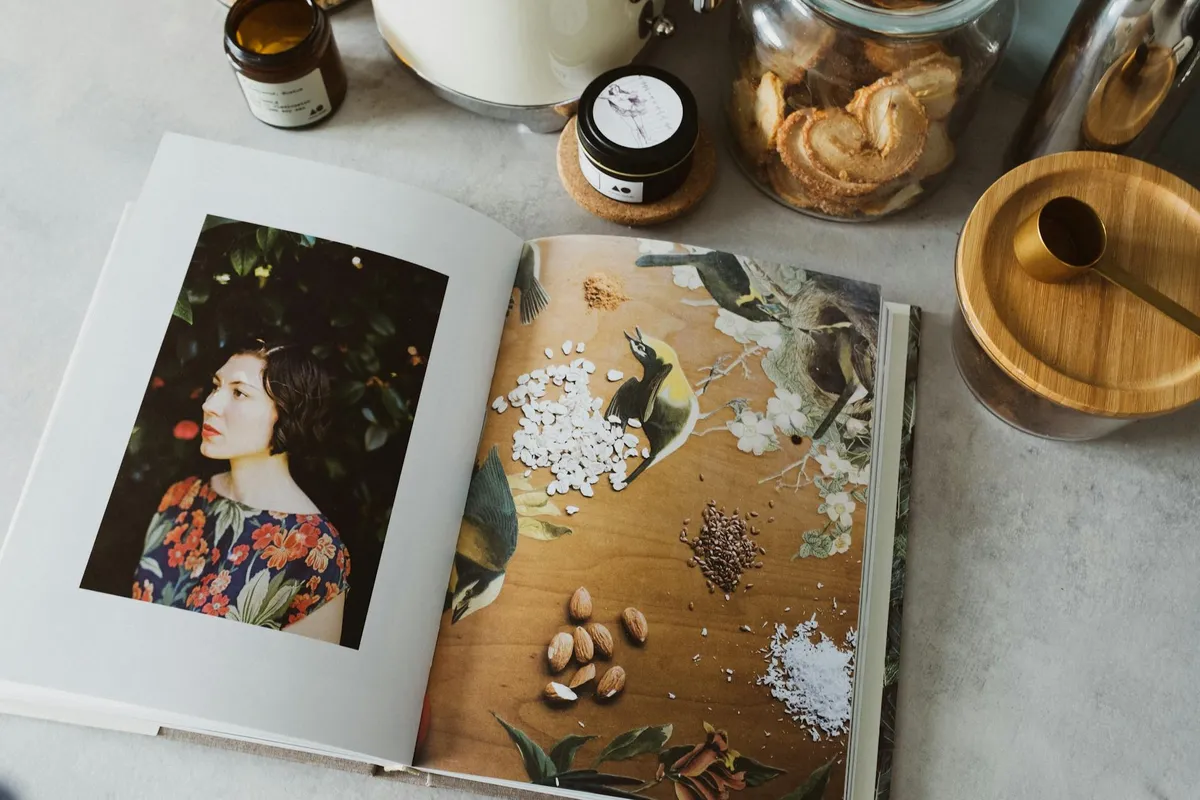
Cookbook authors have a job: get you to follow their recipes faithfully and tell their friends. They cannot tell you the things that would actually make you a better cook because those things would undermine the cookbook business.
I do not have a cookbook to sell. Here are 8 honest food truths.
1. Most recipes have too many ingredients
Recipe length signals "complexity = quality" to cookbook readers. So recipes accumulate ingredients to seem more sophisticated. Most could be cut by 30-40% without affecting the result.
What this means for you: When a recipe calls for 18 ingredients, ask which ones actually contribute meaningfully. Often you can omit half of them and the dish will be nearly identical.
Practical rule: Anything used in a teaspoon or less in a savory recipe usually does not significantly affect the outcome. Skip it if you do not have it.
2. The "fresh herb" requirement is mostly aesthetic
Recipes constantly call for fresh herbs because food photography looks better with fresh herbs scattered on top. For most cooking, dried herbs work fine and are way more practical.
The real difference: Fresh herbs (basil, cilantro, parsley) genuinely matter when used in significant quantities or as a finishing touch. Dried versions of these are not the same.
The exception: Hardy herbs (rosemary, thyme, oregano) work nearly as well dried as fresh in most cooked applications. The conversion ratio is roughly 1 tablespoon fresh = 1 teaspoon dried.
3. Restaurant food is not actually that special
Most restaurant dishes are technique applied to expensive ingredients. The technique is largely learnable. The ingredients are largely accessible.
What this means: A great steak from a restaurant is the same steak you can buy at a butcher, cooked with the right technique. The mystery is mostly equipment (great pans, high heat) and timing (knowing when to flip).
The actual restaurant magic: The things you cannot easily replicate are professional ovens, specialized equipment, ingredients sourced through restaurant supply chains, and decades of practice doing the same dishes.
4. Salt is the single biggest variable
Most home cooks under-salt. Restaurants over-salt by home standards. The "wow this tastes amazing" factor in restaurant food is partly salt.
Practical rule: Add salt during cooking, not just at the end. Salt the water for pasta and vegetables generously. Salt meat at least 30 minutes before cooking (or right before, if pressed for time).
The real test: Add salt to the dish. Taste. If you can taste the salt, you added too much. If the dish suddenly tastes "more like itself," you got it right.
5. Most "secret ingredients" are not secret
The "secret ingredient" in most amazing dishes is usually one of: fish sauce, anchovies, soy sauce, MSG, or browned butter. None of these are secret. They just provide concentrated umami that lifts everything else.
What this means: If your home cooking tastes "fine but not great," try adding one of these to your savory cooking. Anchovies dissolved in olive oil at the start of a sauce. A splash of fish sauce. A pinch of MSG (yes, really).
The myth to drop: MSG is not bad for you. The "Chinese restaurant syndrome" was racist nonsense from the 1960s. MSG is a perfectly fine flavor enhancer.
6. Most cooking shows lie about timing
"Then I just sauté the onions until soft, about 5 minutes." Onions take 15-20 minutes to actually become soft and translucent. Five minutes gives you crunchy onions in oil.
The pattern: Cooking shows compress timing because viewers do not want to watch real cooking time. The result is recipes that say "cook until done" with timeframes that do not match reality.
Practical advice: Cook until the food looks like the description, not until the timer goes off. "Until softened" means soft, regardless of whether the recipe said 5 minutes or 25.
7. The right pan matters more than the right recipe
The same recipe in a great pan and a bad pan produces very different results. Cheap thin pans burn things and cook unevenly. Quality pans produce consistent results almost regardless of what you do.
What you actually need:
- One great cast iron skillet (10-12 inch)
- One great stainless steel sauté pan (12 inch)
- One great Dutch oven (5-7 quart)
What to skip: Sets of cheap "non-stick everything." Specialty pans you will use twice. Anything that warps when heated.
8. Most "healthy" cookbook trends are nonsense
Keto cookbooks. Paleo cookbooks. Whole 30 cookbooks. Anti-inflammatory cookbooks. Most of them are marketing wrapped around modest dietary changes that may or may not matter for you specifically.
The actual healthy cooking advice:
- Eat mostly plants
- Cook with real ingredients (not packaged shortcuts)
- Limit added sugar and ultra-processed food
- Pay attention to how foods make you feel
That is most of it. The specific dietary frameworks layered on top are mostly marketing.
The bonus truth
Bonus truth #9: A handful of mediocre dishes you cook regularly is more valuable than a thousand recipes you bookmark and never make. The actual skill is not in collecting recipes but in repeating a small number of dishes until they become automatic.
Pick 5-7 dishes you genuinely like. Make each one 10+ times until you can do them without the recipe. Build from there. That is what becoming a competent home cook actually looks like.
The takeaway
Most food advice is selling something. Cookbooks. Subscriptions. Cooking classes. Specialized equipment. The actually useful advice is mostly free and mostly counterintuitive.
Cook with salt. Use a good pan. Skip the "secret ingredient" mystique. Repeat dishes until they become automatic. Most of the rest is noise.
Now go cook something. Better food is one stove session away.